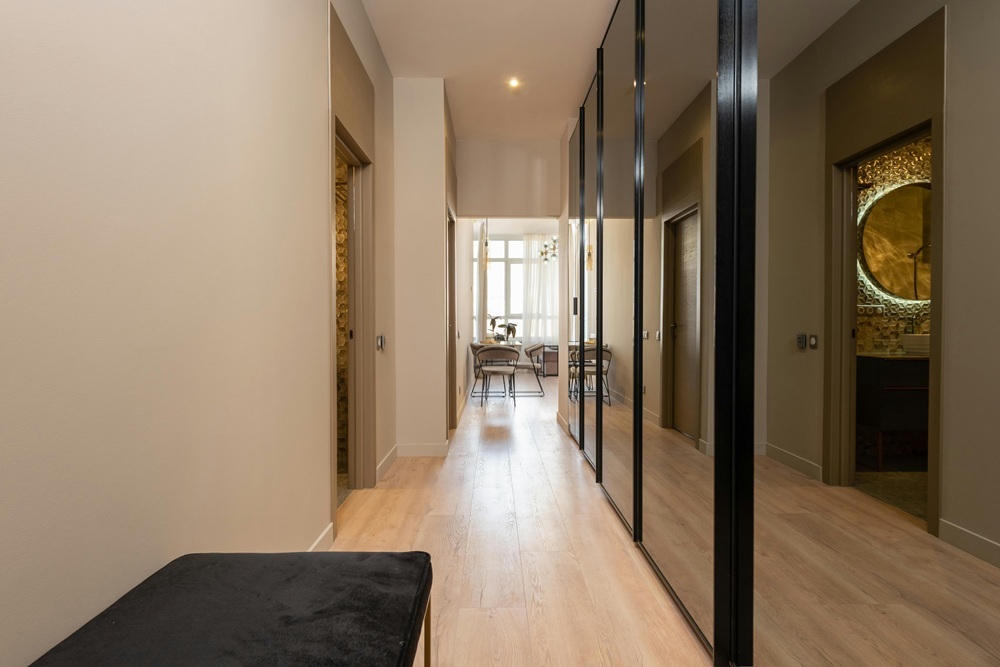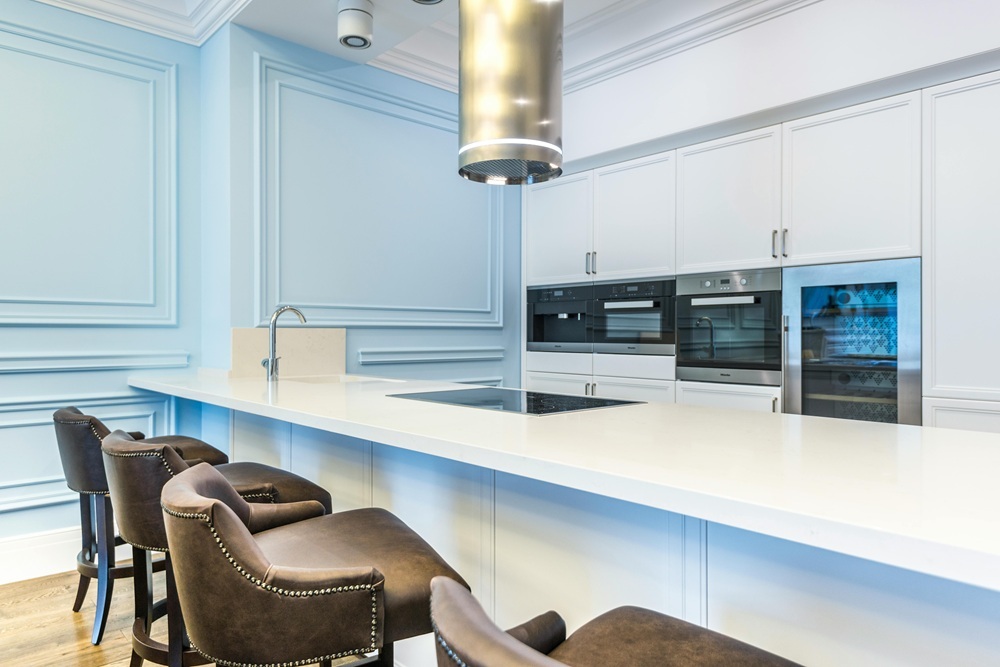
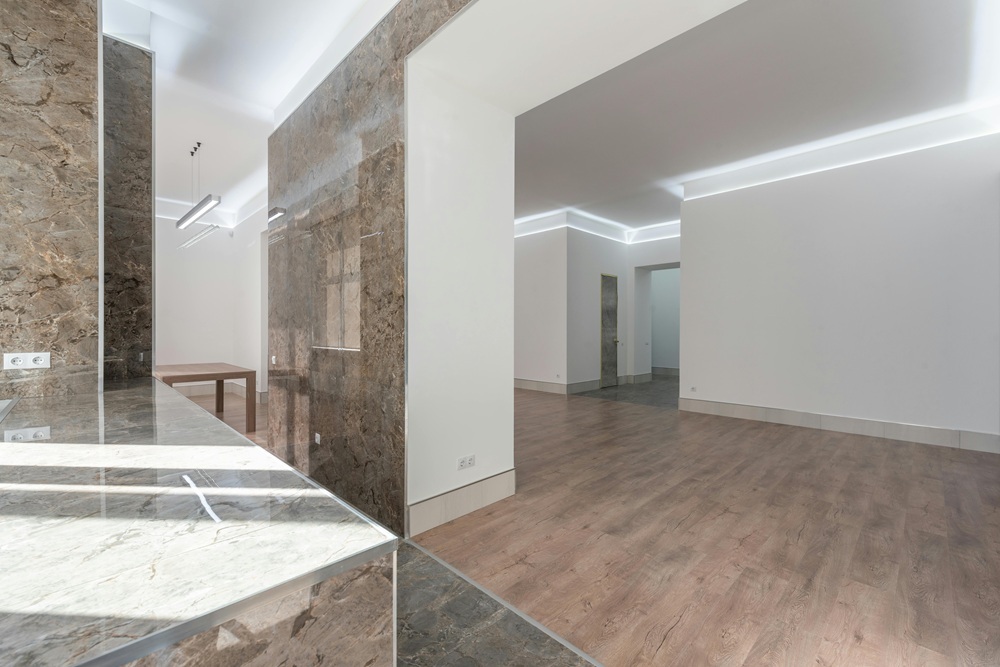
 A finished apartment is not just a visual outcome — it is the final capital layer of the acquisition
Buyers often negotiate intensely on the purchase price and then treat finishing as a follow-up detail. In practice, that approach distorts the entire investment view. A developer apartment at an attractive entry price still requires a meaningful post-handover budget before it becomes tenantable. A resale apartment may look competitive at viewing price until demolition, installation correction, substrate levelling and finishing layers start accumulating.
The other dimension is time. The period between purchase and first rental income — during which capital is deployed but not yet productive — has a real carrying cost. A project that slips 6 weeks due to poor scope management or contractor coordination costs not only the overrun itself, but the foregone rental income for those 6 weeks. On an apartment targeting 4,000 PLN/month, that is 24,000 PLN in delayed income on top of the budget overage.
In Warsaw, labour is more expensive than in smaller Polish cities once the scope goes beyond simple painting and floor sanding. Material selection matters, but the more important issue is that costs concentrate in packages that cannot be avoided without compromising the apartment's usability or rental appeal: bathrooms, kitchens, electrical installations, floor surfaces, doors, lighting and storage joinery.
For foreign buyers, there is a further layer: coordination risk. Distance makes the budget more vulnerable. If the scope is unclear, quotes are compared on headline price rather than full scope, or approvals are delayed, the project can still finish — but not necessarily within the budget or timeline originally assumed. The cost of getting this wrong is double: the overrun itself and the delayed income.
Finishing is part of the acquisition cost
When evaluating whether to buy a developer apartment or a resale unit, the finishing cost must be included in the comparison. A lower purchase price with higher finishing cost may produce a worse total result than a higher purchase price on a fully finished property.
Weeks lost are income lost
Every week the apartment is not rental-ready is a week of foregone income. On a property targeting 4,000 PLN/month, one month's delay is 4,000 PLN. A poorly coordinated 60-day overrun on a 90-day project is a 33% extension of the void period.
Fit-out and renovation are not the same
A developer shell fit-out and a resale renovation are commercially different situations with different cost logics, different risk profiles and different contingency requirements. Treating them identically produces poor budget assumptions.