



For most people weighing up a move, cost is the question that turns "maybe one day" into "this is actually possible." Warsaw's appeal here is straightforward: it offers the infrastructure, safety and quality of a major European capital at a cost of living that is meaningfully below London, Paris or Berlin. The savings are real and they show up across almost every category — rent most of all, but also groceries, eating out, transport and services.
This guide gives you a realistic monthly budget rather than a best-case one. The figures below are practical mid-range estimates for someone living comfortably — not surviving, and not living lavishly. All amounts are in Polish złoty (PLN); as a rough orientation, divide by roughly four to four-and-a-half for an approximate euro figure, though exchange rates move, so treat conversions as indicative.
What "affordable" actually means here
The headline is not just that Warsaw is cheaper — it is that the lower cost comes without the usual trade-offs.
The most common surprise for newcomers is that affordability does not come at the expense of quality. The food is excellent and varied, the public transport is modern and reliable, healthcare is accessible, and the city's infrastructure is genuinely good. You are not paying less for a worse version of city life — you are paying less for a comparable, in some respects better, one.
The single biggest driver of the difference is rent, which is where Western European capitals have moved furthest out of reach. But the gap is consistent across the board: a restaurant meal, a monthly transport pass, a coffee, a gym membership, a haircut — each typically lands well below what the same thing costs in London or Paris. Salaries in Warsaw are lower too, of course, but for anyone arriving with foreign income, remote work, or a pension, the arbitrage is substantial.
Many newcomers find that a budget which barely covered rent alone in their previous city covers rent, regular dining out, transport and a comfortable lifestyle in Warsaw.
A comfortable monthly budget, by household
Indicative all-in monthly budgets for living comfortably in a good central or near-central district.
One-bedroom flat in a good district, public transport, groceries, regular eating out, gym and social life. The lower end is comfortable; the upper end is generous.
Shared one or two-bedroom flat, transport, groceries, frequent dining out and leisure. Sharing rent and bills makes the per-person cost notably lower.
Larger flat in a family district, transport, groceries, activities and dining. The range widens most with school choice — public, private or international.
Three choices drive the budget more than anything else: which district you rent in, whether you eat out often or mostly cook, and — for families — whether children attend public, private or international schools. Get those three right for your situation and the rest is detail.
Rent — what you'll actually pay
Rent is the largest single cost and the one where the gap with Western Europe is widest.
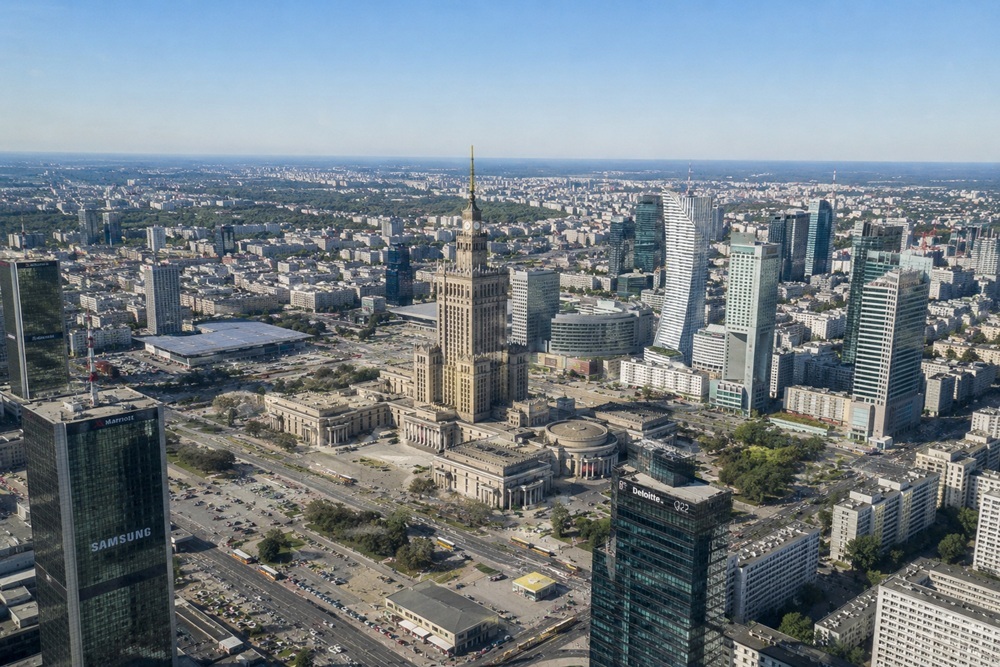 Central Warsaw — rents here sit well below comparable Western European capitals
Rent depends mostly on district, size, standard and proximity to the metro. The figures below are general monthly guides for furnished apartments in good condition; you will find both cheaper and pricier, but these reflect what a newcomer typically pays without overstretching.
| Apartment | Good central district | Slightly outside centre |
|---|---|---|
| Studio | 2,800–4,000 PLN | 2,200–3,000 PLN |
| One-bedroom | 3,500–5,000 PLN | 2,800–3,800 PLN |
| Two-bedroom | 4,500–7,000 PLN | 3,800–5,200 PLN |
| Three-bedroom / family | 6,500–10,000+ PLN | 5,000–7,500 PLN |
What's usually on top of rent
Most listings quote rent plus a separate building charge (czynsz administracyjny, covering common-area upkeep, often 400–900 PLN depending on the building) and metered utilities (electricity, gas, water, internet). Budget roughly 600–1,200 PLN per month for utilities and building charges combined for a typical flat, more for larger apartments or in winter. Always confirm what is and isn't included before signing.
Many newcomers rent first, then buy once they know the city. If that's on your horizon, our advisory side guides foreign buyers through the whole purchase in English — start with the Warsaw buying process.
Groceries, eating out and everyday costs
Outside rent, this is where the lower cost of living shows up in the small, daily moments.
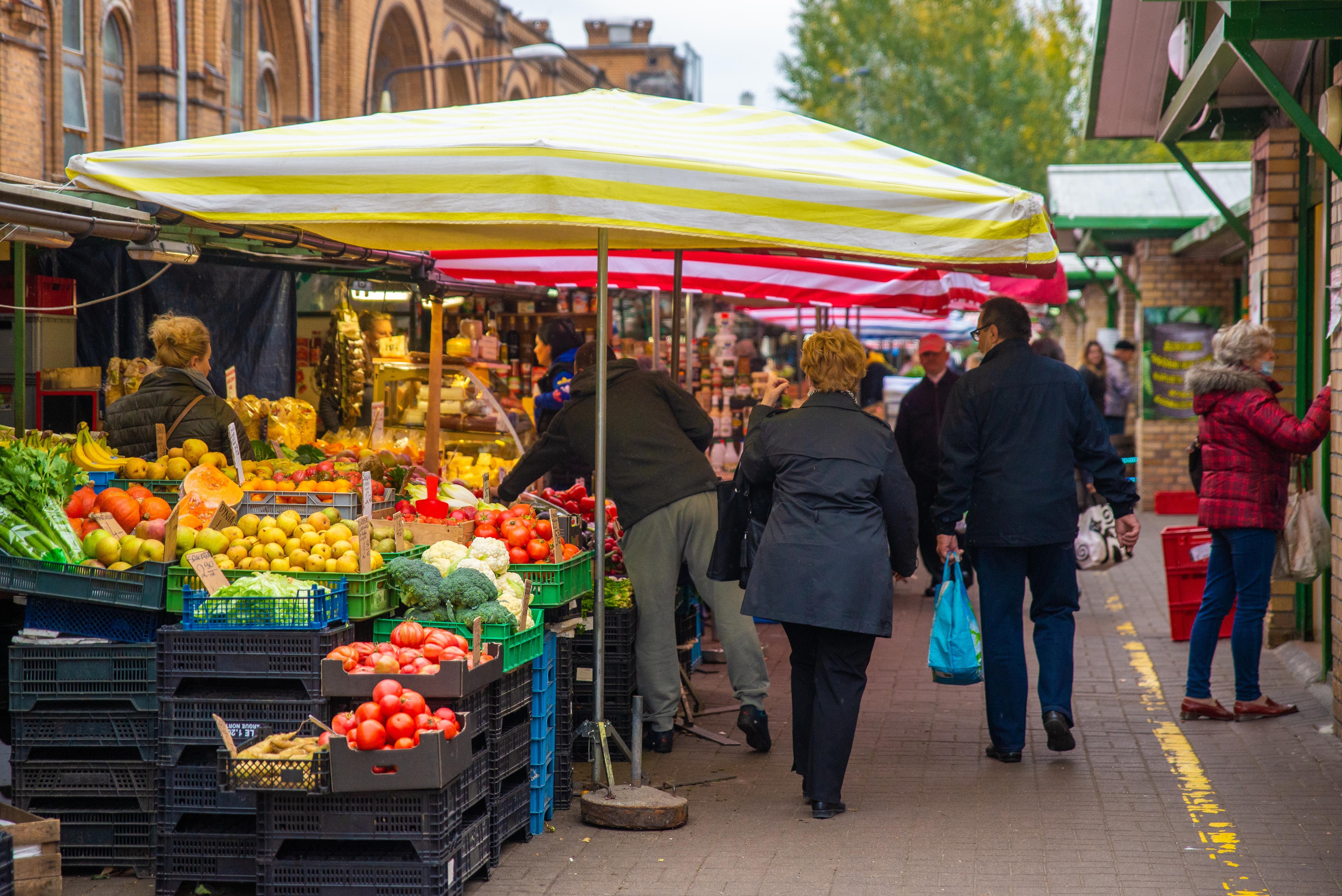 Hala Mirowska — local markets keep fresh food affordable and excellent
| Typical item | Approx. cost in Warsaw |
|---|---|
| Coffee in a café | 14–20 PLN |
| Lunch (casual restaurant) | 30–50 PLN |
| Dinner for two (mid-range, with drinks) | 150–250 PLN |
| Weekly groceries (single person) | 200–350 PLN |
| Monthly gym membership | 100–180 PLN |
| Cinema ticket | 25–40 PLN |
| Mobile plan (monthly, generous data) | 30–60 PLN |
Groceries are noticeably cheaper than in Western Europe, especially fresh produce, bread and dairy. Discount supermarket chains keep weekly shops affordable, while local markets offer excellent fresh food. Eating out is where many newcomers feel the difference most: a good restaurant meal that would be a treat elsewhere becomes an easy weekly habit here.
Transport — cheap, modern and well used
One of the city's quiet strengths: excellent public transport at a fraction of Western European prices.
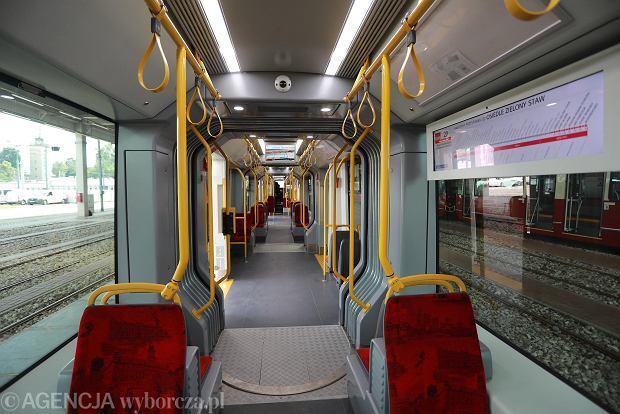 Warsaw's trams, buses and metro run on one cheap, integrated ticket
Warsaw runs two metro lines plus a dense network of trams and buses, all on a single integrated ticketing system with contactless payment accepted everywhere. A monthly travel pass covering the whole network is inexpensive — a fraction of what an equivalent pass costs in London or Paris — and a single journey ticket is modest. For most residents, owning a car is optional rather than necessary; the network is frequent, clean and genuinely well used, which is also part of why the city feels so safe.
Low flat cost
A monthly pass covering trams, buses and the metro costs far less than equivalent passes in major Western capitals — and reduced rates apply for students and seniors.
Very affordable
One-off journeys are cheap and easy, with contactless tap-to-pay accepted across the network — no need to buy paper tickets in advance.
Cheaper than the West
Ride-hailing and taxis are widely available and noticeably cheaper than in Western Europe, useful for late nights when the metro winds down.
How Warsaw compares to Western Europe
For most people moving here, the relevant benchmark is the city they're leaving — so here's the honest comparison.
Across rent, dining, transport and everyday services, Warsaw typically lands 30–50% below London, Paris or Berlin, with rent showing the largest gap. The table below is a general orientation rather than a precise index — exchange rates and personal lifestyle shift the numbers — but it reflects the direction and scale of the difference newcomers consistently report.
| Category | Warsaw vs Western European capitals |
|---|---|
| Rent (city-centre apartment) | Typically 40–55% lower — the widest gap of all |
| Eating out | Roughly 35–50% lower for comparable restaurants |
| Groceries | Around 25–40% lower, especially fresh produce |
| Public transport | Substantially cheaper — among the best value in the EU |
| Everyday services (gym, haircut, etc.) | Generally 30–45% lower |
| Overall quality & infrastructure | Comparable to Western capitals |
Where newcomers save the most
A few simple choices make the biggest difference to a monthly budget.
- Rent slightly outside the dead centre. Districts a short tram or metro ride from the core offer similar quality for meaningfully lower rent — often the single biggest saving available.
- Use the monthly transport pass. If you commute or move around regularly, a monthly pass quickly pays for itself versus single tickets, and removes the need for a car.
- Shop at discount chains and local markets. A mix of discount supermarkets for staples and local markets for fresh produce keeps grocery costs low without compromising quality.
- Cook at home, treat eating out as the bonus. Dining out is cheap here, but the gap between cooking and eating out is still real — a balance keeps the budget comfortable.
- Confirm utilities and building charges before signing. The headline rent is rarely the full cost; knowing the czynsz and utilities up front prevents budget surprises.
Cost of living in Warsaw — common questions
The questions newcomers ask most often when planning a budget.
How much does it cost to live in Warsaw per month?
A single person renting a one-bedroom flat in a good central district, using public transport and eating out regularly, typically lives comfortably on around 5,500–8,000 PLN per month including rent. A couple sharing costs usually budgets roughly 8,500–12,000 PLN, and a family of four around 13,000–19,000 PLN depending on district, school choice and lifestyle. These are indicative ranges and vary with neighbourhood and personal spending.
Is Warsaw cheaper than London, Paris or Berlin?
Yes, meaningfully. Rent, groceries, eating out, transport and most services are typically 30–50% lower than in those cities, with rent showing the largest gap, while quality, infrastructure and safety remain high. For anyone arriving with foreign income or remote work, the difference is substantial.
How much is rent in Warsaw?
As a general guide, a one-bedroom apartment in a good central district rents for around 3,500–5,000 PLN per month, and a two-bedroom for roughly 4,500–7,000 PLN, depending on district, standard and metro access. Areas slightly outside the centre offer noticeably lower rents for similar quality. Expect a separate building charge and metered utilities on top.
Is public transport in Warsaw expensive?
No — it's inexpensive and high quality. A monthly pass covering trams, buses and the metro costs a fraction of equivalent passes in Western capitals, and single tickets are very affordable. Contactless payment is accepted everywhere and the network is dense and frequent, so many residents don't need a car.
Do I need a high salary to live well in Warsaw?
Not by Western European standards. Because the cost of living is lower across the board, a comfortable lifestyle requires less than in London or Paris. For people with foreign income, remote work or a pension, the gap between earning and spending is especially favourable. Our cost ranges above give a realistic target for different household types.
Planning a move to Warsaw?
Whether you're renting, buying or still weighing it up, we're happy to share honest, local guidance based on where and how you want to live.

Build a move that fits your budget.
From choosing an affordable, well-connected district to renting or buying your first home here, our Warsaw-based team guides newcomers through the move in plain English.