


Compare Warsaw before choosing a district
Use the investment-district overview to define the first shortlist, add the central-versus-metro comparison to set your location strategy, then open the individual district guides below.
Central Warsaw vs Metro-Connected Outer Districts
Decide whether central walkability and address liquidity outweigh the larger budgets, newer stock and daily metro access available outside the core.
Core and close-central
For buyers prioritising centrality, mature transport, employment access and liquid residential demand.

Śródmieście
The most central and recognisable district in Warsaw, strongest for buyers who want prestige, walkability and true city-core address value.
Read district guide →
Wola
A strong district for buyers prioritising modern stock, business proximity, metro access and a more visibly urban, mixed-use city environment.
Read district guide →
Mokotów
One of Warsaw's most established residential districts, often attractive for owner-occupiers, expats and buyers looking for stronger long-term liveability.
Read district guide →
Ochota
A practical close-central district that works through rail and tram access, everyday liveability and the medical-academic demand around Banacha rather than prestige alone.
Read district guide →Premium, green and family-oriented
Established residential environments where schools, greenery, daily comfort and owner-occupier demand are central to the decision.

Żoliborz
A calmer and more elegant district profile, often attractive for buyers who value greenery, lower-density residential quality and a more composed ownership logic.
Read district guide →
Wilanów
A premium, family-oriented district profile built around newer residential stock, more space and a calmer ownership logic than the denser inner-city districts.
Read district guide →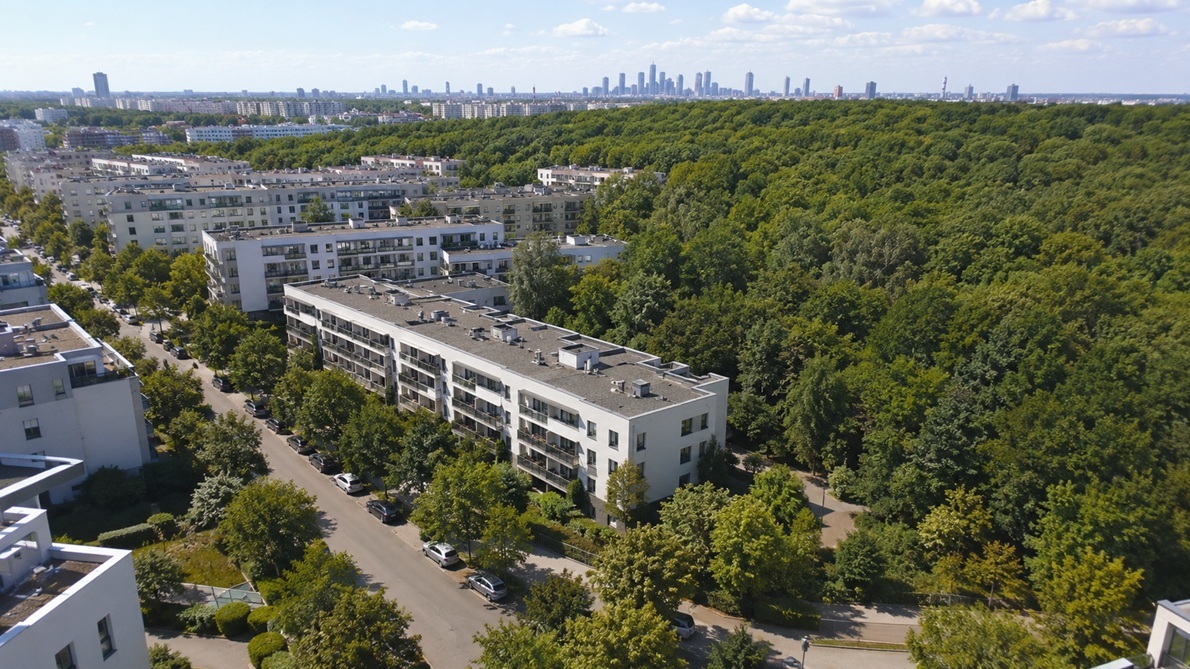
Bielany
A green, established north-western district where M1 access, residential stock, university demand and proximity to Bielański Forest create a stability-led ownership profile.
Read district guide →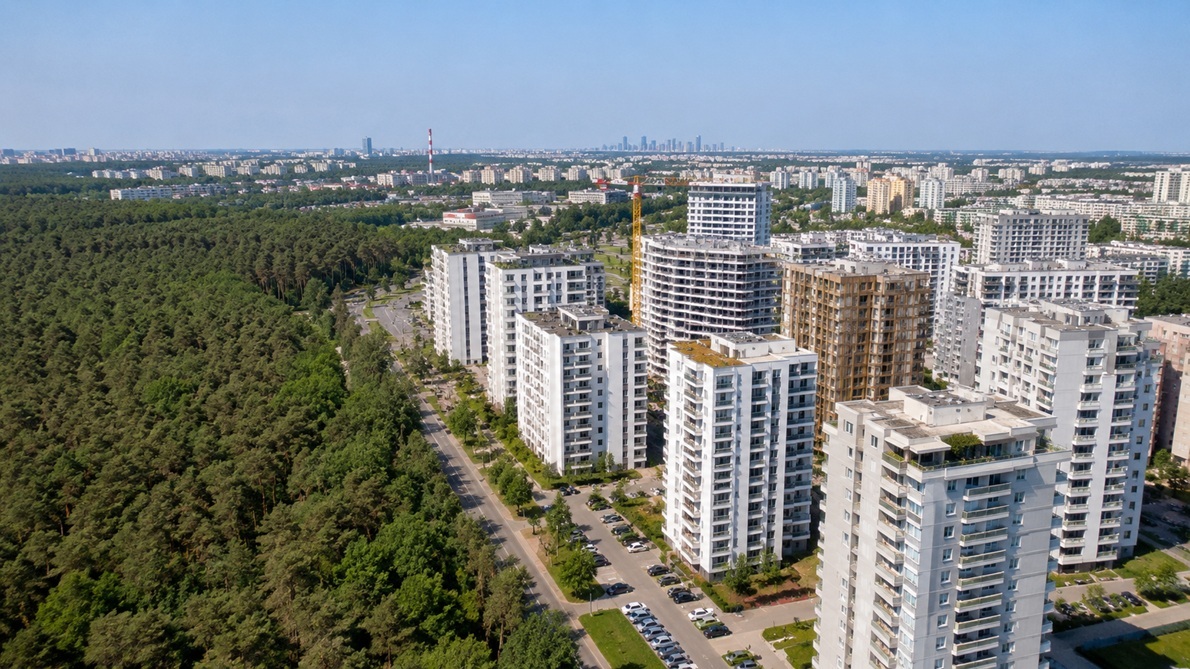
Ursynów
A large southern district with several distinct sub-markets. M1 access, Kabaty Forest, family demand and differences between established estates and newer pockets require micro-location analysis.
Read district guide →Transport, employment and newer supply
Western districts where metro, tram, rail, airport access and development pipelines create different purchase routes.
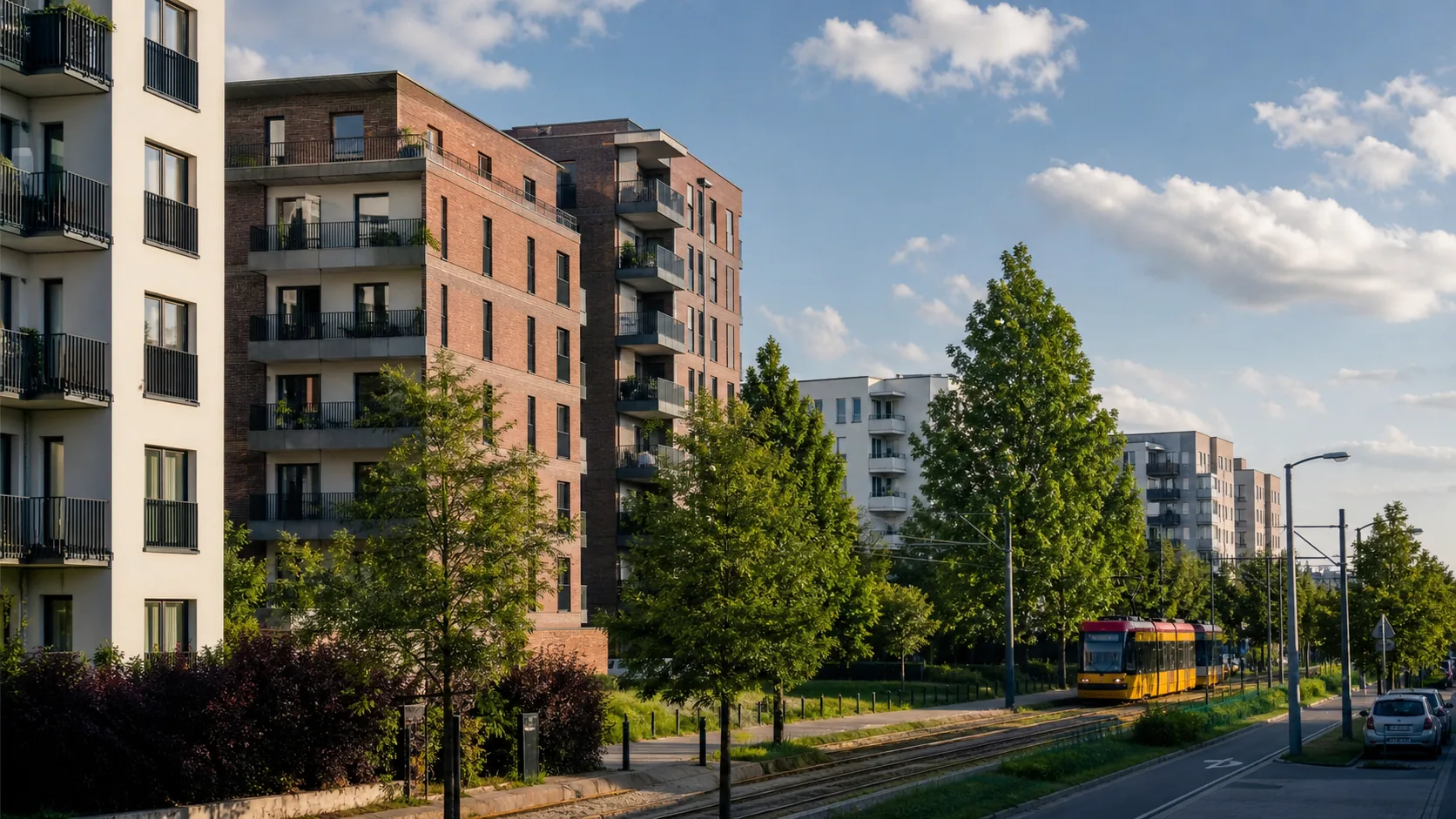
Bemowo
A west-side mix of metro M2 access, trams, established housing, newer schemes and Fort Bema greenery. The useful comparison is street-level transport, building quality and future supply — not one district-wide label.
Read district guide →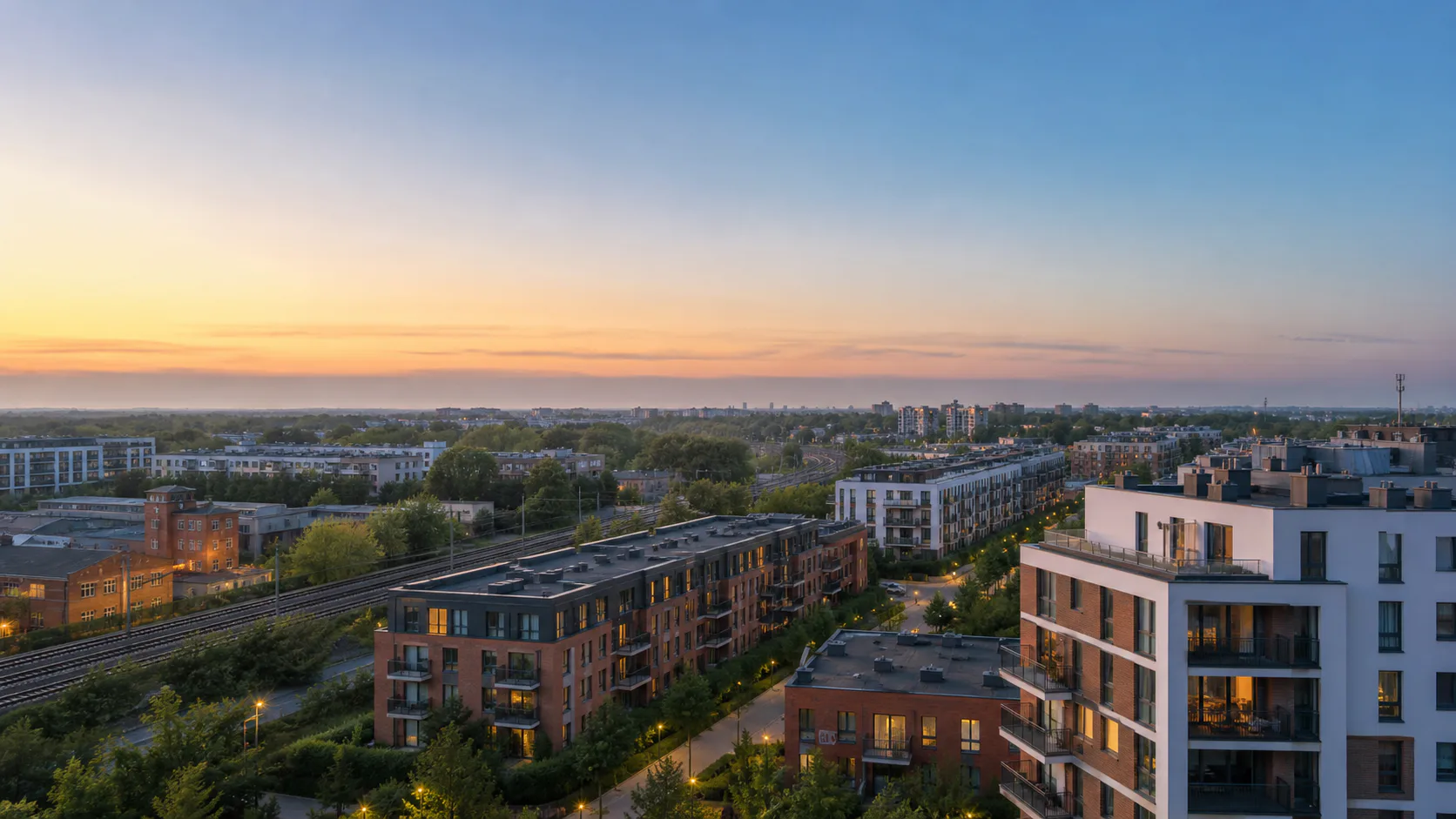
Ursus
A western Warsaw search spanning new-build Szamoty and the established neighbourhoods of Skorosze, Niedźwiadek, Czechowice and Gołąbki. Station access, competing supply and total finishing cost shape the decision.
Read district guide →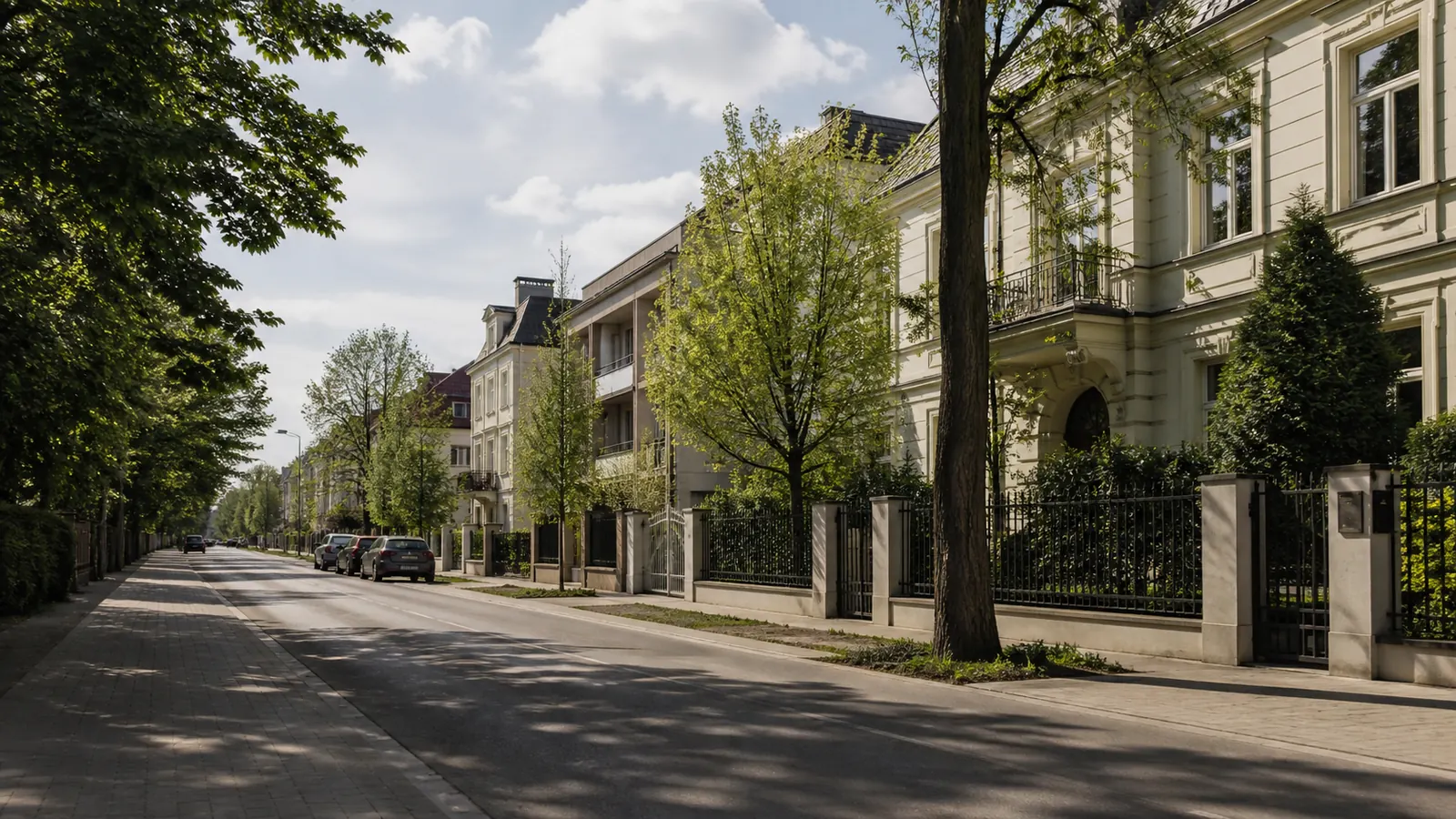
Włochy
Green residential streets, rail and WKD access, tram-served pockets and airport-side employment create several different purchase routes. Transport, aircraft noise and the exact micro-location must be evaluated together.
Read district guide →Growth, value and street-level selection
Markets where new supply, improving transport and building-level differences require disciplined comparison rather than district-wide assumptions.
Białołęka
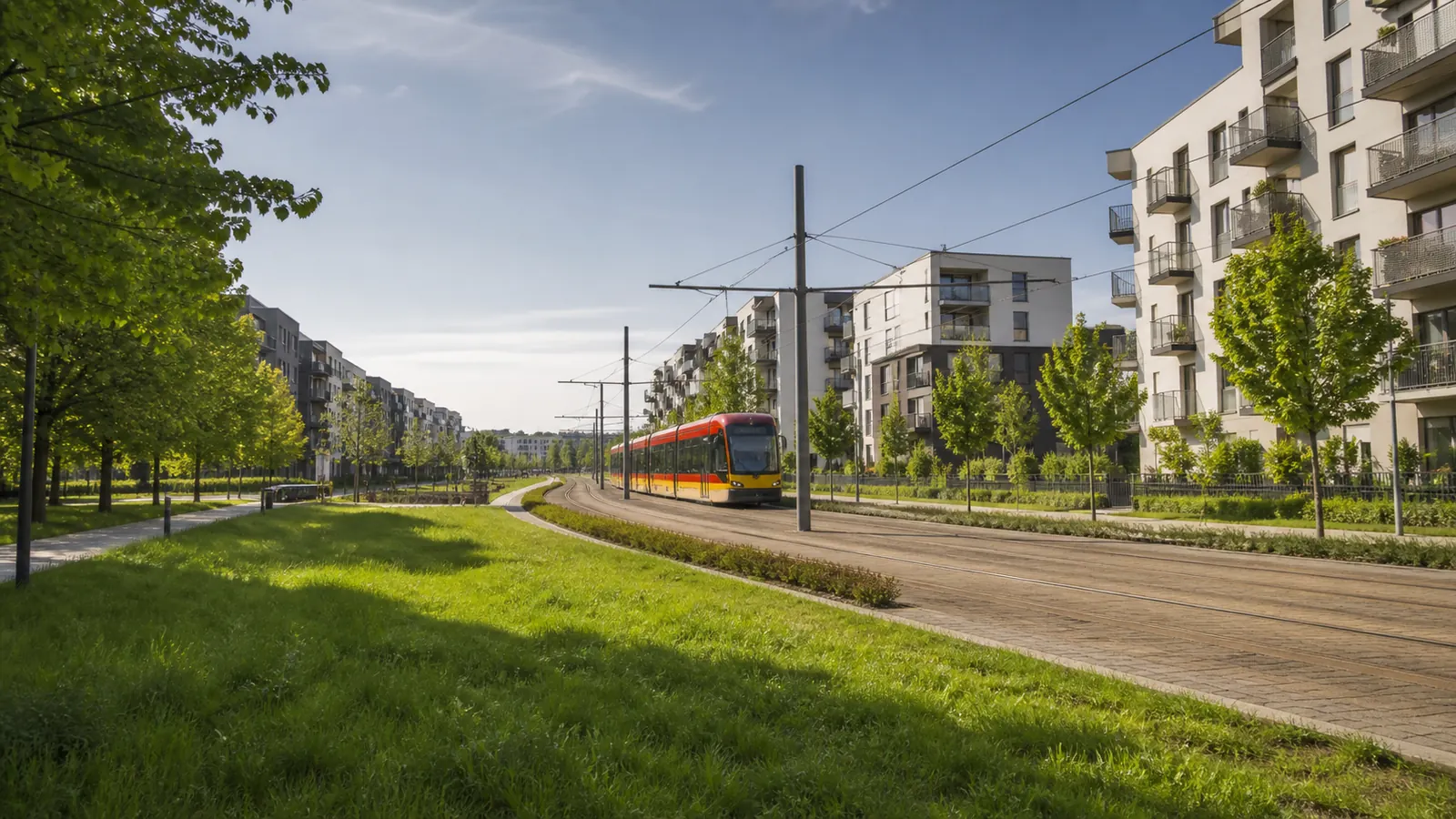
A broad northern market running from established Tarchomin to greener Choszczówka and active new-build corridors. Commute resilience, road pressure, local services and the development pipeline need address-level checking.
Read district guide →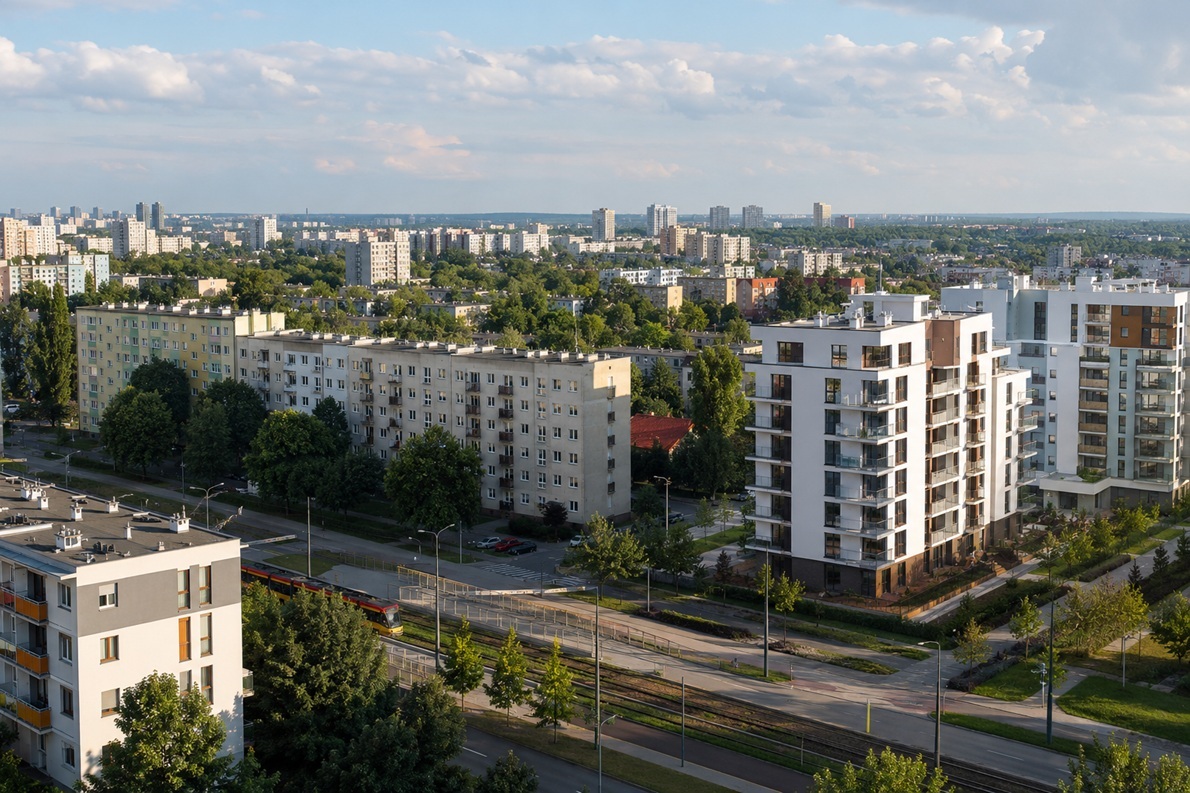
Targówek
An eastern Warsaw search shaped by M2 access, established estates, newer development corridors and sharp street-level differences. Transport, building quality and competing supply matter more than the district label.
Read district guide →
Praga
A more selective district story built around character, historic layers and the kind of location logic that requires sharper filtering.
Read district guide →Houses, forest and commuter rail
Eastern districts with more houses, plots and green edges, where access rights, utilities, drainage and technical condition can outweigh headline price.
Wawer
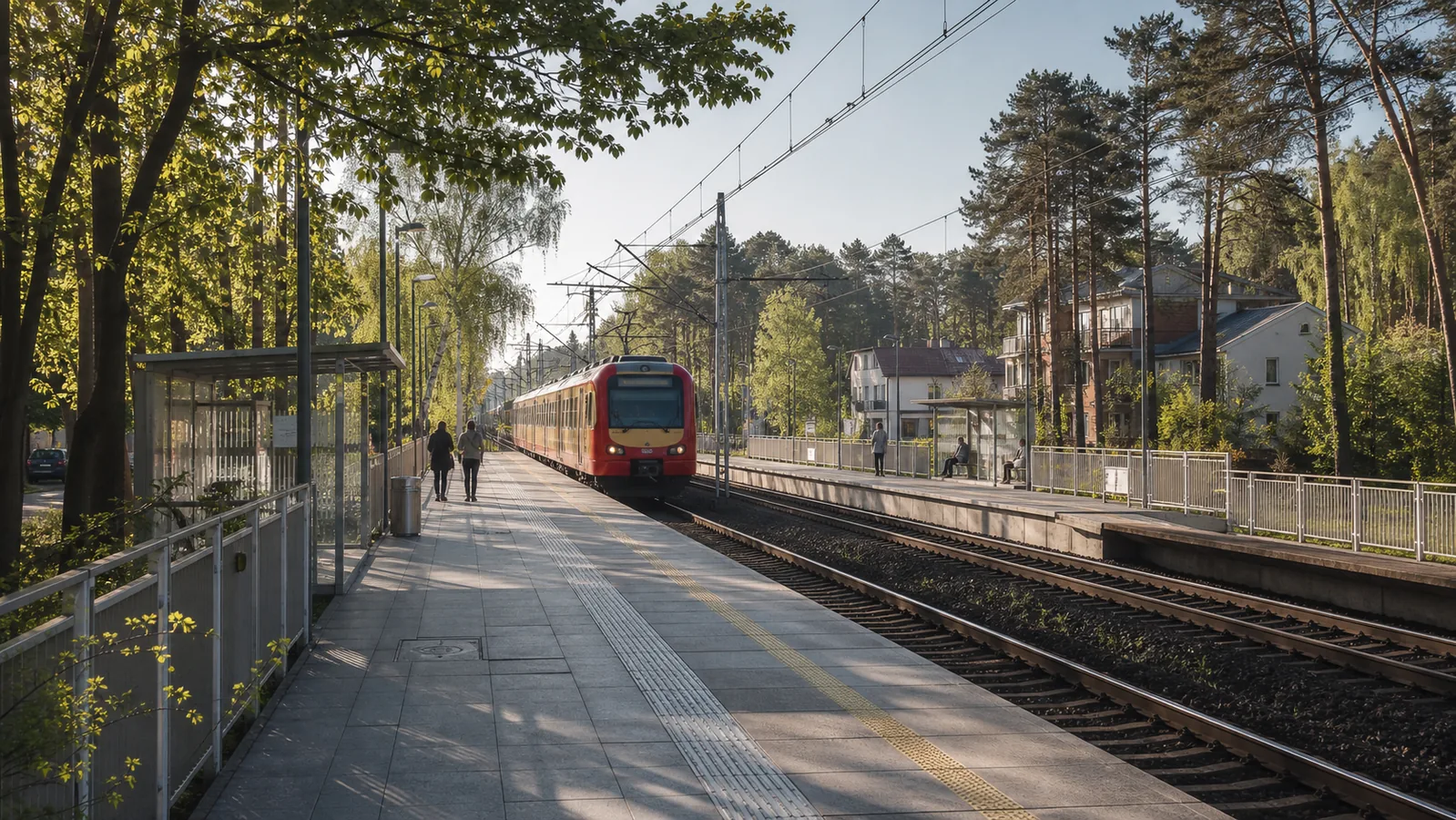
Warsaw's largest district by area is a house-led market of rail-side neighbourhoods, woodland edges and varied plots. Access rights, utilities, water risk, building condition and current railway works belong in the first review.
Read district guide →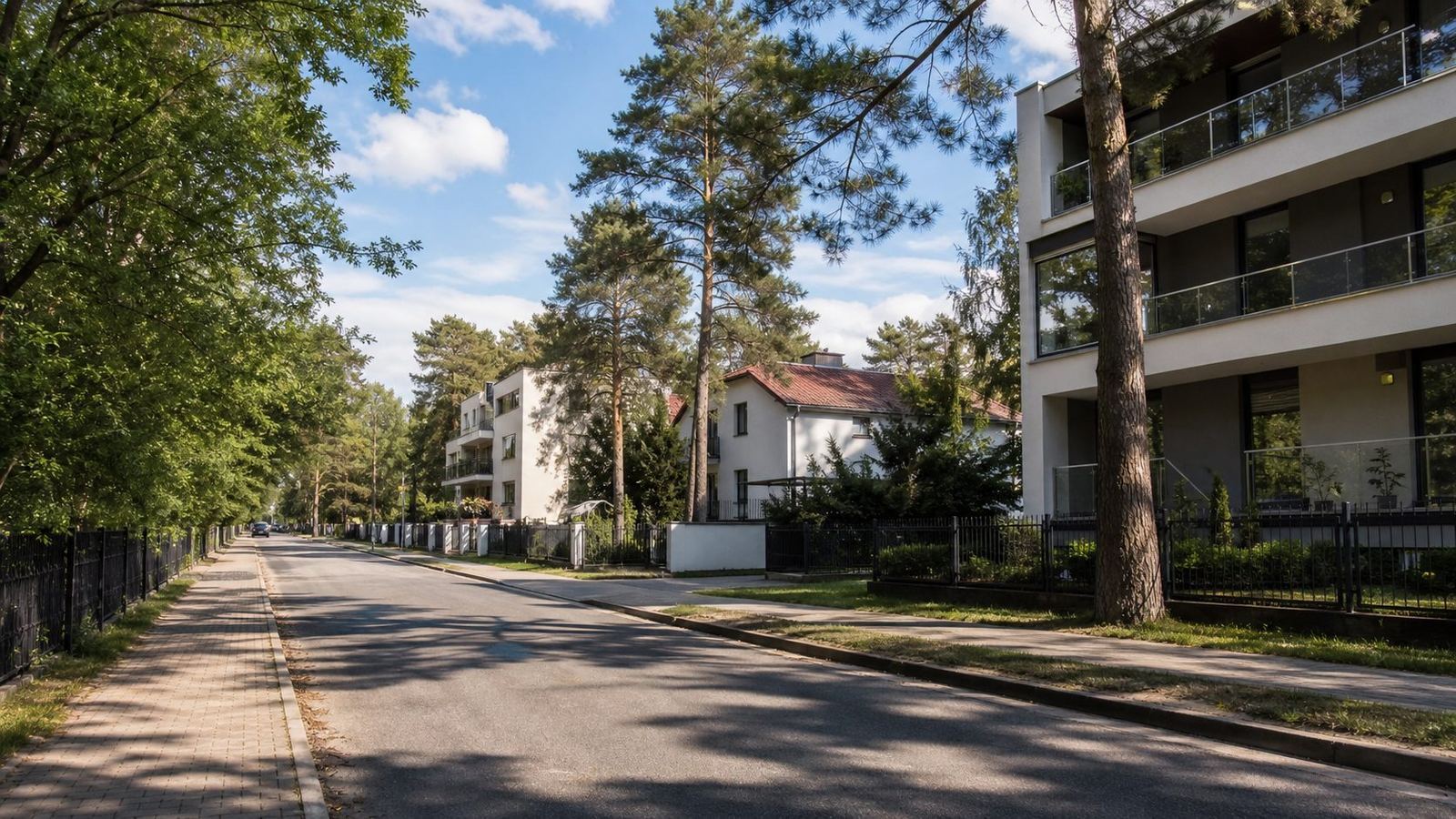
Rembertów
A low-density eastern district where rail access, greenery, military land, road connections and a limited apartment market make property-by-property verification essential.
Read district guide →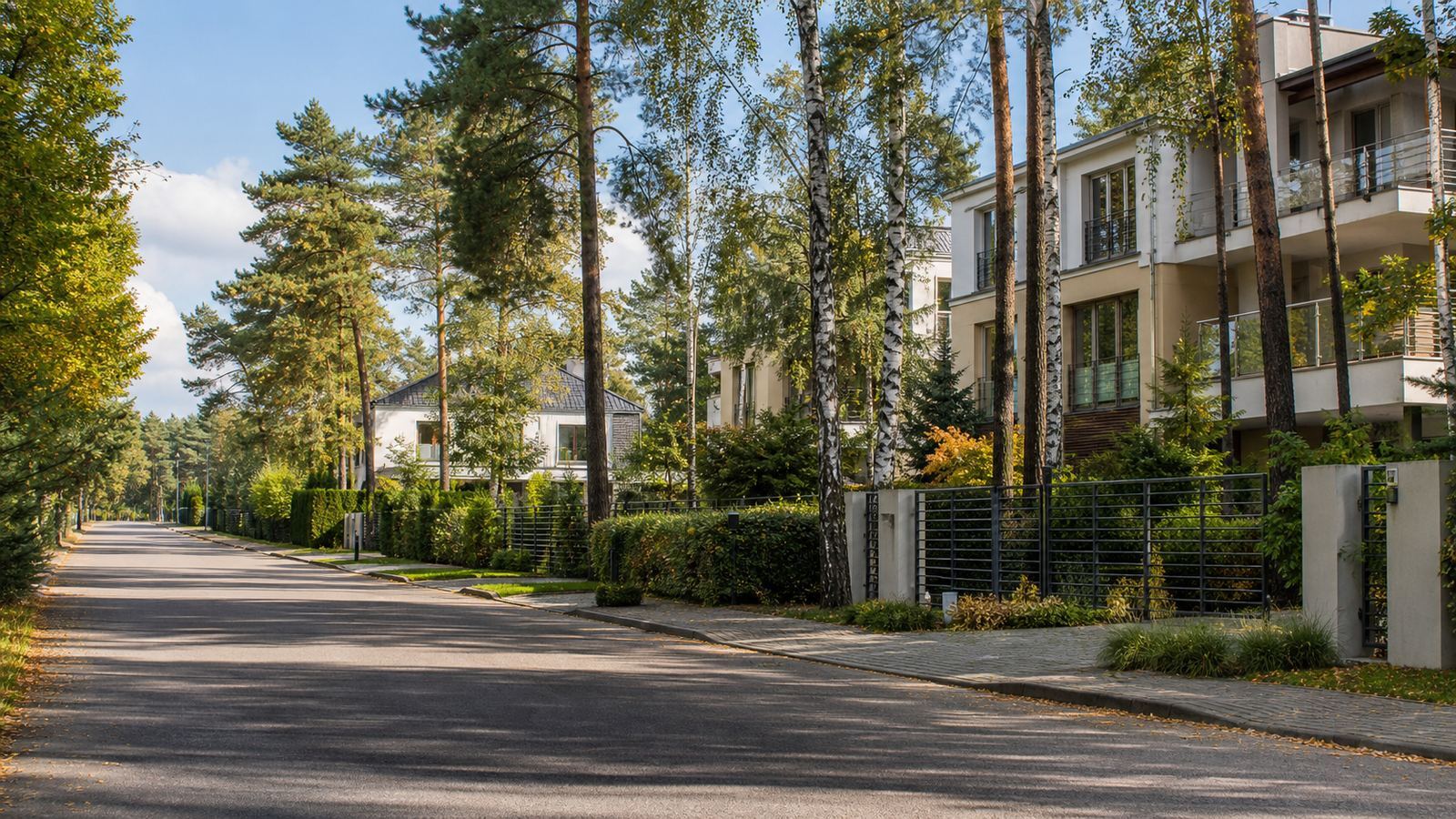
Wesoła
A house-led, green eastern district shaped by Stara Miłosna, established residential pockets and rail or road access. Utilities, drainage, plot status and commute logic belong in the first review.
Read district guide →Start with your intended use and acceptable risk, then compare specific streets and buildings. For current buyer-side fees, see transparent pricing; for a property-level return model, use the Warsaw rental yield calculator.

