


Buy an Apartmentin Warsaw, Polandas a Foreigner
English-language property buying support for international investors, relocating professionals and families.
- We work under a clear buyer-side engagement
- We search the entire Warsaw property market
- We compare offers from developers, agencies and private owners
- We support negotiation around your agreed buying brief
Buyer-led Warsaw property search
Your brief defines the search. Not somebody else's inventory.
We begin with your budget, intended use, preferred districts, timing and risk tolerance. Then we compare relevant opportunities from developers, agencies and private owners across Warsaw.
A property reaches your shortlist because it fits the agreed brief — not because someone needs it sold. Any property-related commercial relationship is disclosed before you decide whether to proceed.
Independent buyer-side property support · Warsaw, Poland
From first brief to ongoing management — property search, offer screening, negotiation, legal and notarial coordination, remote purchase support, renovation and rental setup, coordinated as one process.
The result: fewer wasted viewings, less risk of overpaying and one accountable Warsaw team from the first shortlist to a handover-ready apartment. For qualifying apartments renovated or finished through Warsaw Investor Care, the service can continue through tenant placement and ongoing long-term rental management.
Warsaw-based team
For investors and relocating buyers
Primary and resale market
Buyer-side advisory
Remote purchase support
Legal coordination
Renovation, rental setup and management
Why we're different
Why foreign buyers choose Warsaw Investor Care
A listing agency is commonly engaged to market a specific seller's property, while a dedicated buyer representative begins with the buyer's brief and compares options across sources. The exact role, fee and commercial relationships should be confirmed before relying on advice. See how we define buyer representation and disclosure.
Seller's Listing Agency
- Is typically engaged to market the seller's property
- Focuses on the property or portfolio it is instructed to market
- Commercial role is to facilitate the instructed sale
- Fee structure should be confirmed for the specific listing
WIC Buyer Representation
- Works under a clear buyer-side engagement
- Searches the entire Warsaw market
- Recommends the best option — even if that means walking away
- Protects your interests at every stage
Proof, not promises
Real transactions. Real numbers. Real outcomes.
Every project below is presented as a completed transaction rather than a hypothetical example. Each card links to the full case study, where the property, scope, purchase context and project-level result can be reviewed. Results are historical and are not a promise of future yield, discount or completion time.
Buy, renovate & rent
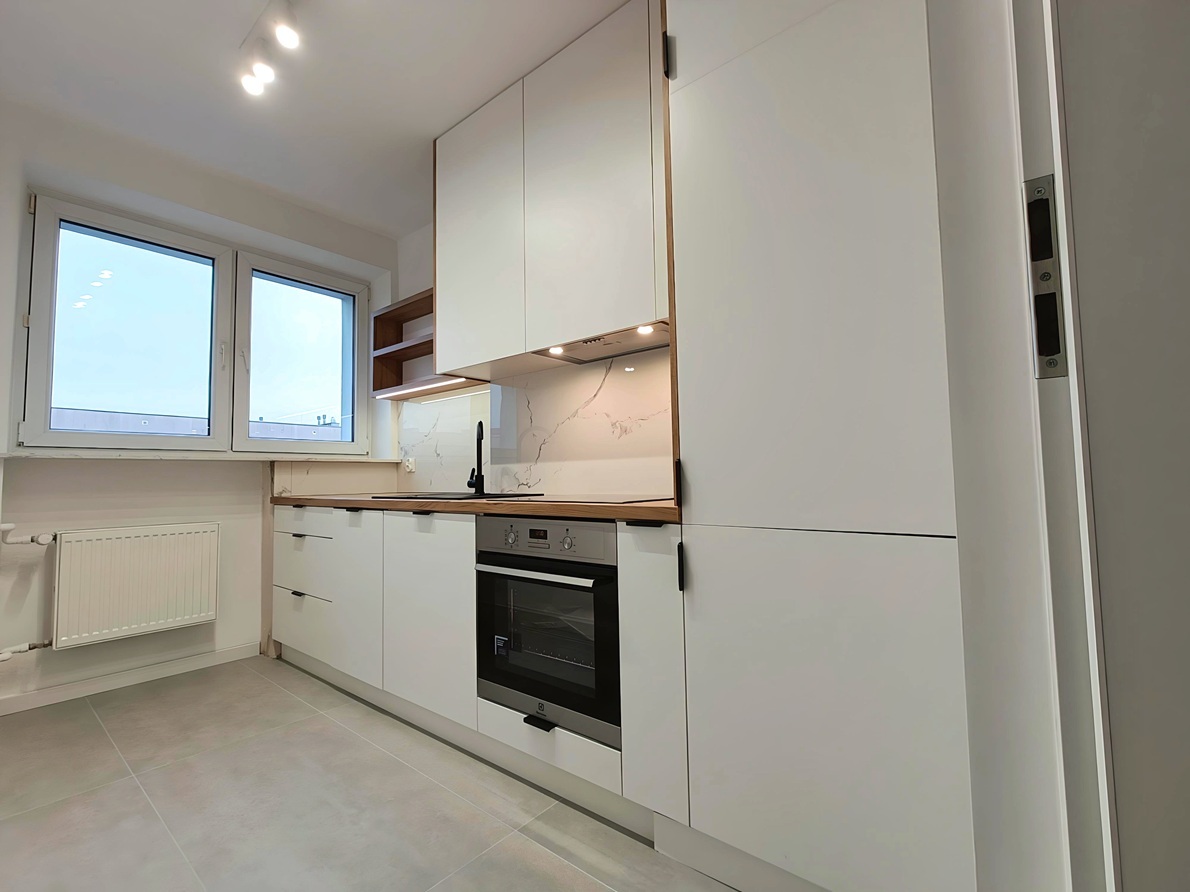
~6%
Gross yield
Wola, Warsaw
Buy, renovate and rent
A 43 m² apartment bought below asking price, fully renovated and rented out long-term for a client from France.
Read the case study →
Buy, finish & rent
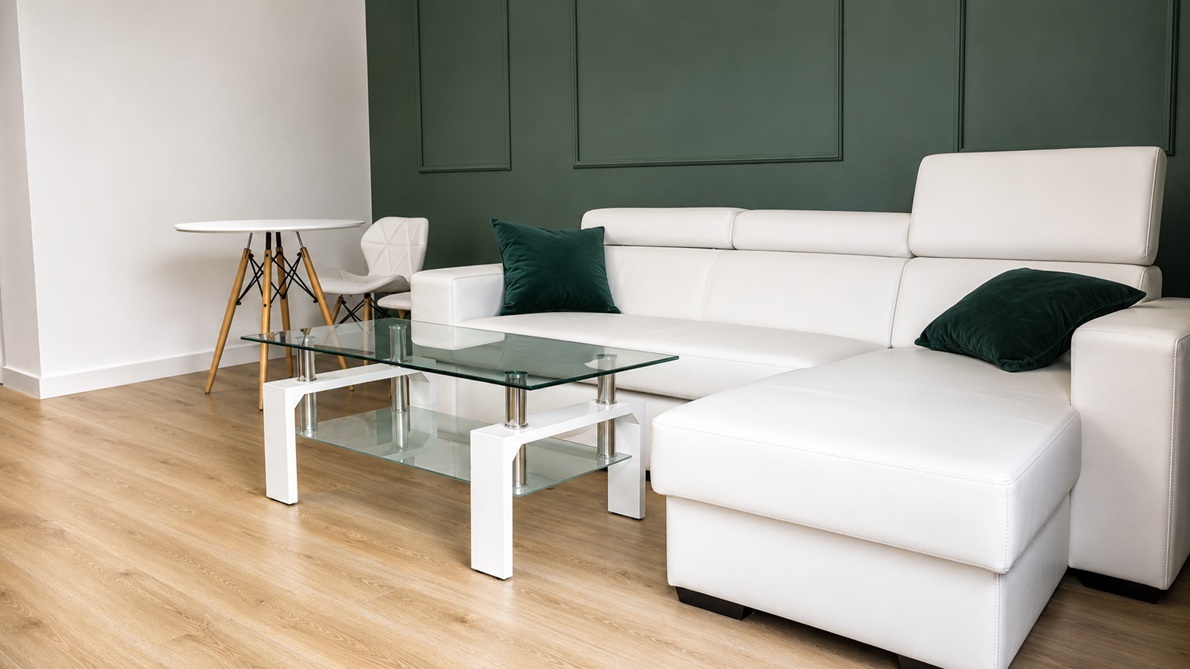
~5.05%
Gross yield
Ursus, Warsaw
Buy, finish and rent — a primary-market garden apartment
A ground-floor apartment with garden and garage, bought in developer condition and delivered as a turnkey rental for a client from Germany.
Read the case study →
Investment flip · 50/50
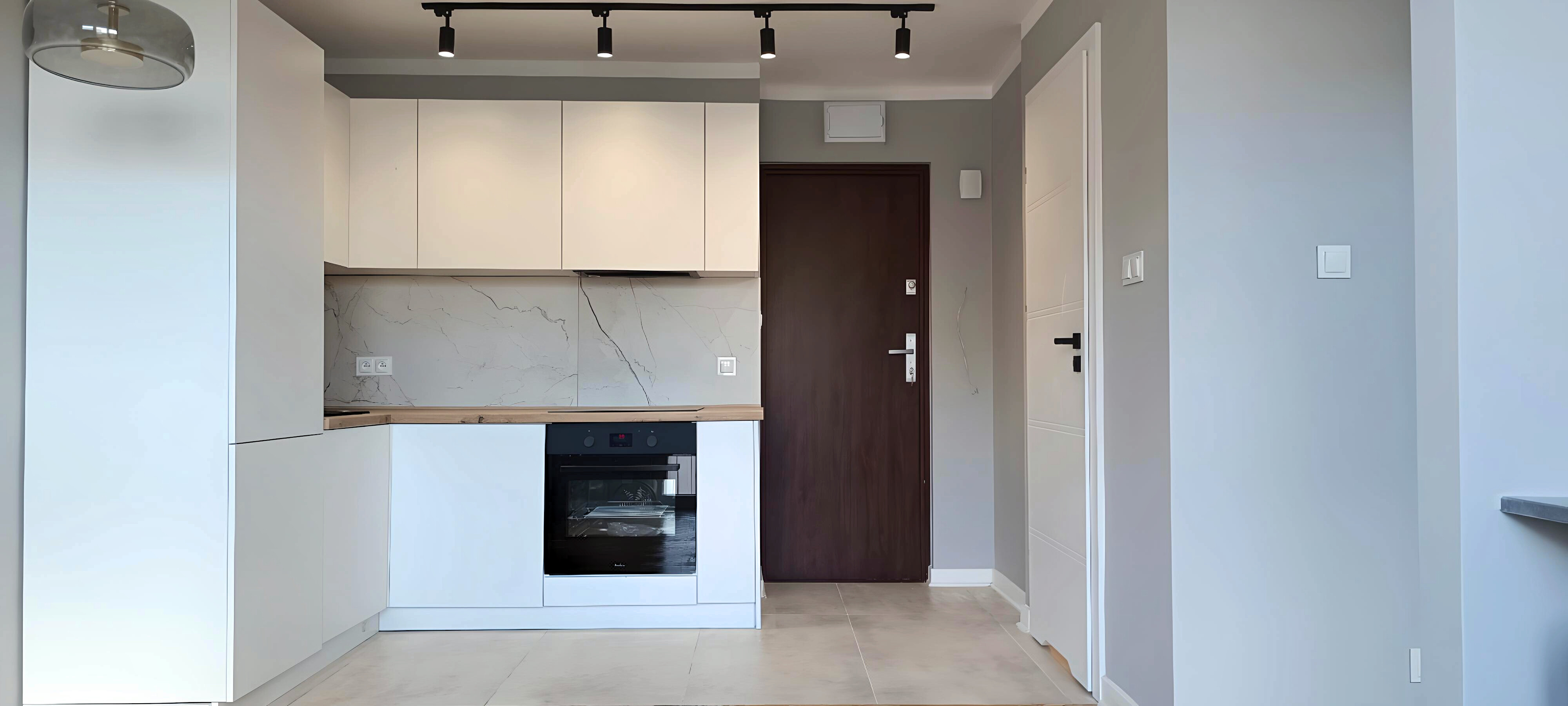
50/50
Profit split
Chłodna Street, Warsaw
A 50/50 investment flip with a private investor
An apartment bought in poor condition, fully rebuilt and sold four months later, with the profit split equally.
Read the case study →
Buyer-side services
Sourcing, negotiation and legal coordination — all working for you.
From a dedicated buyer representative to market-wide search and negotiation support, the scope is built around your agreed brief. Our role, fee structure and any property-related commercial relationships are disclosed before you proceed.
What we do
One Warsaw partner for the entire property investment process
Warsaw Investor Care gives foreign buyers and international investors one Warsaw-based team for the entire process: market-wide property search, offer screening, negotiation support, coordination with legal and technical specialists, remote purchase logistics, renovation, rental setup and — for qualifying apartments renovated or finished through WIC — ongoing long-term rental management. We work under an agreed buyer-side engagement; our role, fee structure and any property-related commercial relationships are disclosed before you proceed.
01
Buyer-led property search
We start with your budget, intended use, preferred districts, timing and risk tolerance. Then we compare relevant opportunities from developers, agencies and private owners across Warsaw.
02
Market and location analysis
We compare prices, yields, transport, schools, daily convenience, tenant demand and long term risks before you commit.
03
Legal and transaction coordination
We coordinate Polish legal specialists, KW title review, contract sequence, notarial preparation and power of attorney logistics.
04
Renovation, rental setup and ongoing management
After purchase, we coordinate renovation or finishing, furnishing, handover and rental readiness. Ongoing long-term management is available for qualifying apartments renovated or finished through Warsaw Investor Care.
Public sources used in our buying process: Warsaw market trends are checked against the National Bank of Poland housing reports; title information is reviewed through the Ministry of Justice's Electronic Land and Mortgage Register; and foreign-buyer permit rules are checked against the Ministry of the Interior and Administration. A property-specific conclusion still requires transaction-specific legal review.
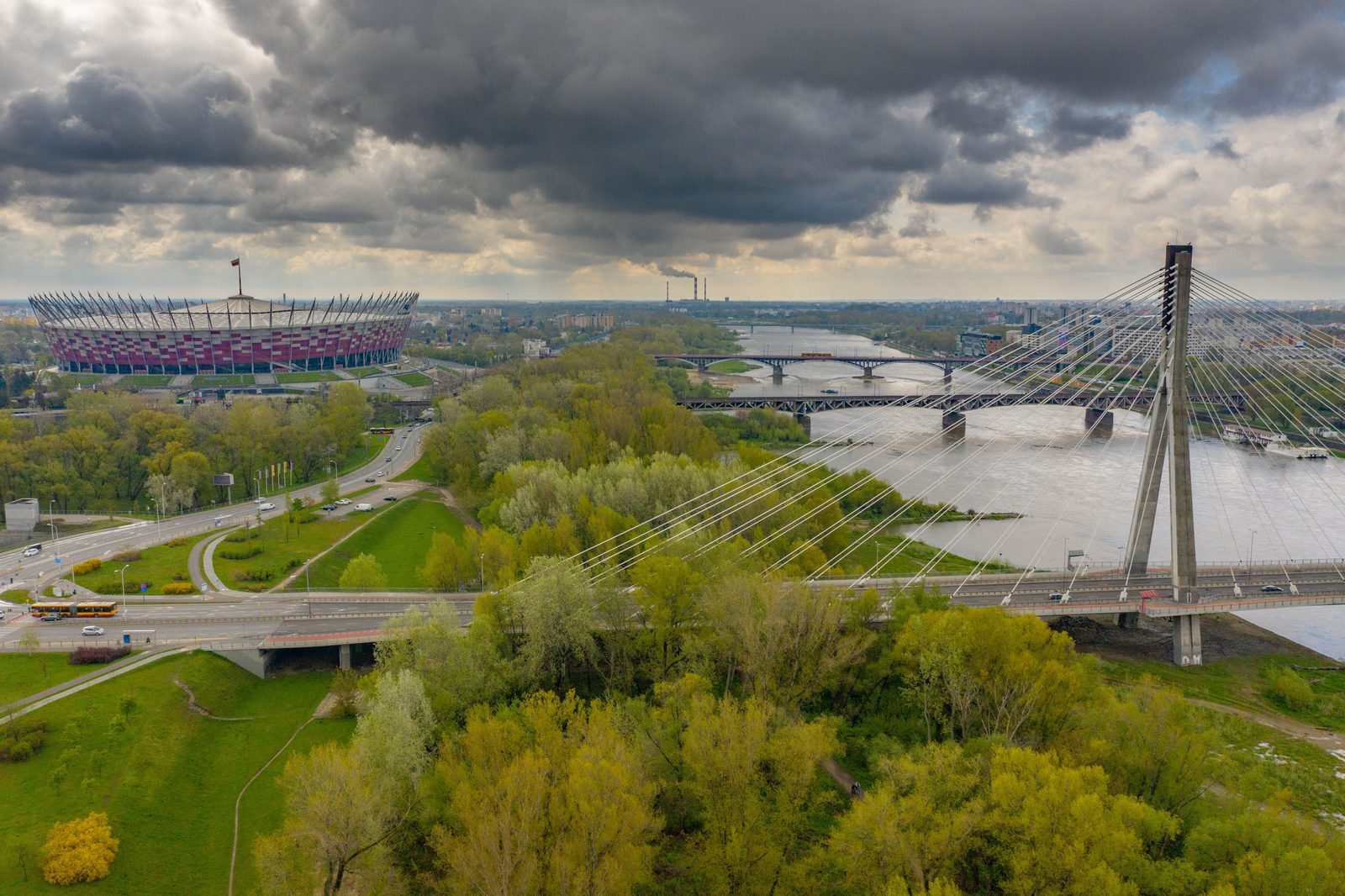
Who we are
A Warsaw-based partner for serious foreign buyers.
Warsaw Investor Care exists because foreign buyers need more than listings. They need local expertise, English-language communication and a clear path through a market they cannot navigate from abroad.
We work across sourcing, negotiation, legal coordination and renovation oversight — treating the entire journey as a single managed process rather than a series of disconnected tasks.
1
No information gap
Warsaw market conditions, district differences and legal steps explained in plain English — not Polish jargon.
2
One coordinated process
Sourcing, legal, negotiation and post-purchase execution handled as a single flow — not handed off between specialists you have to manage yourself.
3
Local presence when it matters
We attend viewings, inspect handover conditions and supervise renovation works in Warsaw so you do not have to be physically present at every stage.
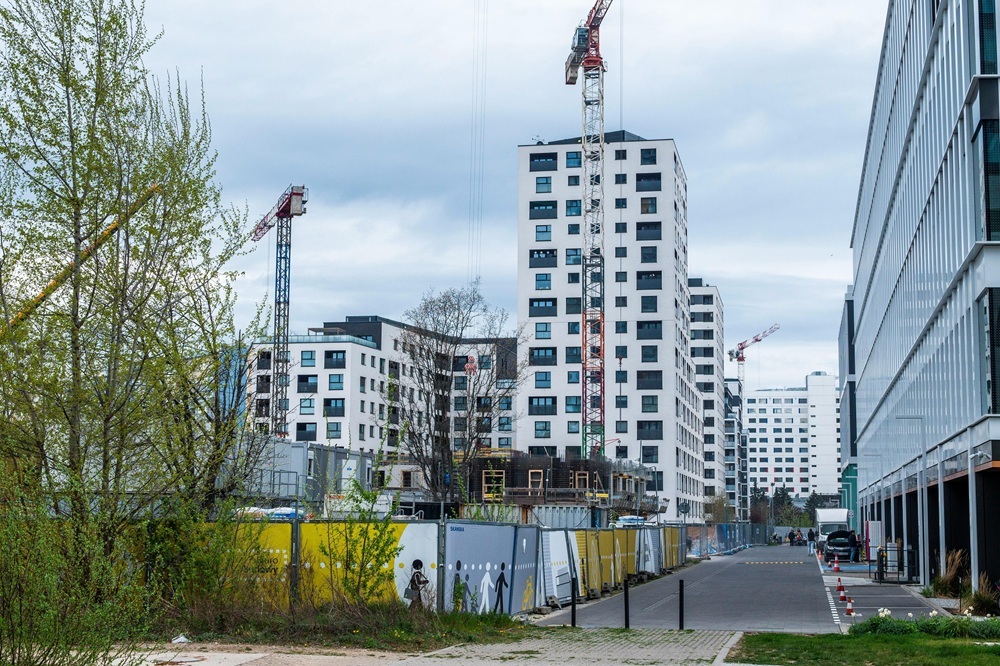
Who we help
Built for every kind of foreign buyer in Warsaw.
The service is designed for people who want to buy correctly, avoid information gaps and make decisions based on local market context rather than listing portals alone. Some clients buy for rental income, while others buy because they are moving to Warsaw and need a safe, practical home.
01
Foreign buyers purchasing their first apartment in Warsaw
02
Expats relocating to Poland and buying for personal use
03
Families moving to Warsaw who need district and school context
04
International investors comparing Warsaw districts and rental yields
05
Remote buyers who cannot attend every viewing or appointment in Poland
100%
English-language service throughout
Primary & resale
Both market segments covered
Remote-first
Designed for buyers abroad
End-to-end
From first brief to ongoing management
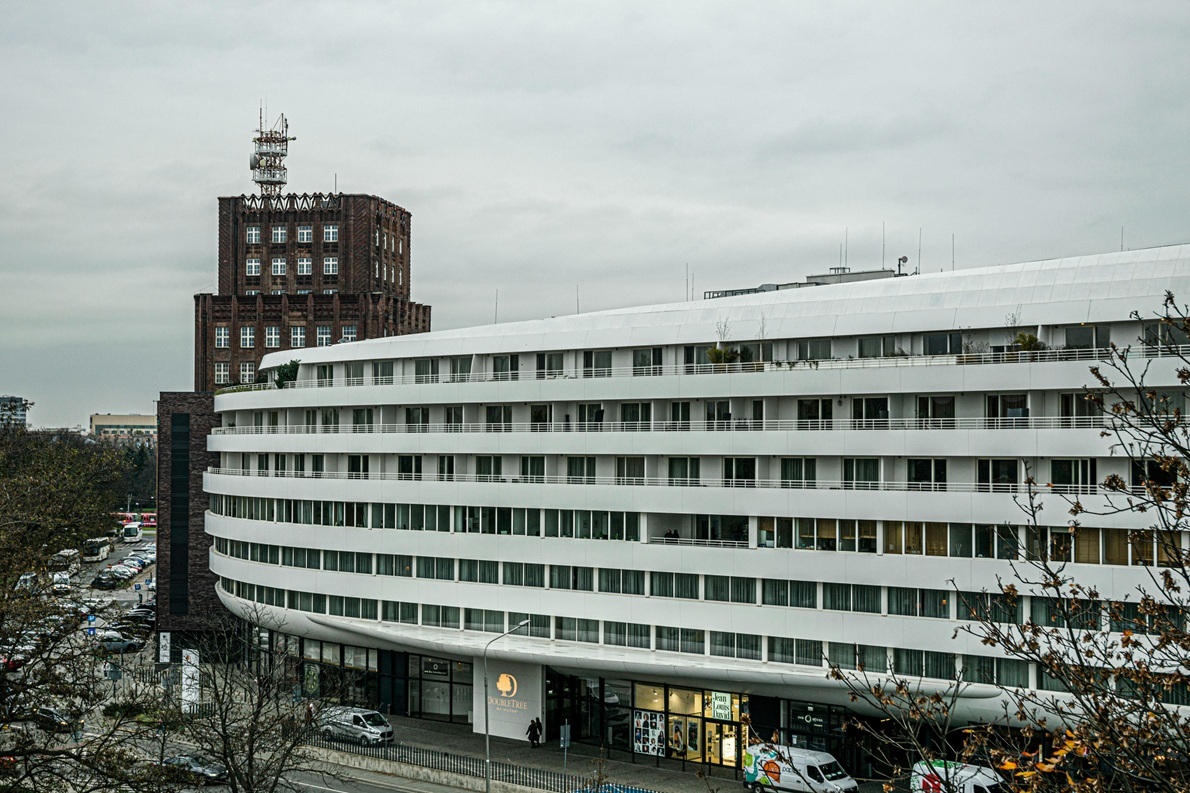
Why Warsaw
A large, diverse residential market for international buyers.
Warsaw combines capital-city demand, a strong employment base, an international business community and a wide choice of residential property. For buyers, the opportunity lies in the depth of the market, the diversity of districts and the ability to compare new-build and established resale stock within one city.
Purpose of your purchase
Buying in Warsaw for living or investment
Not every foreign buyer has the same goal. Some clients want a rental apartment with strong yield potential. Others are relocating to Warsaw and care more about transport, schools, green space, safety and everyday comfort. Warsaw Investor Care helps match the property search to the real purpose of the purchase.
01
For relocation
We help you understand districts, commute times, building quality, local services and what daily life in Warsaw looks like.
02
For personal use
We focus on comfort, layout, neighbourhood, long-term value and practical details that are hard to judge from listings alone.
03
For investment
We analyse rental demand, expected income, liquidity, micro location, tenant profile and resale potential.
Warsaw districts
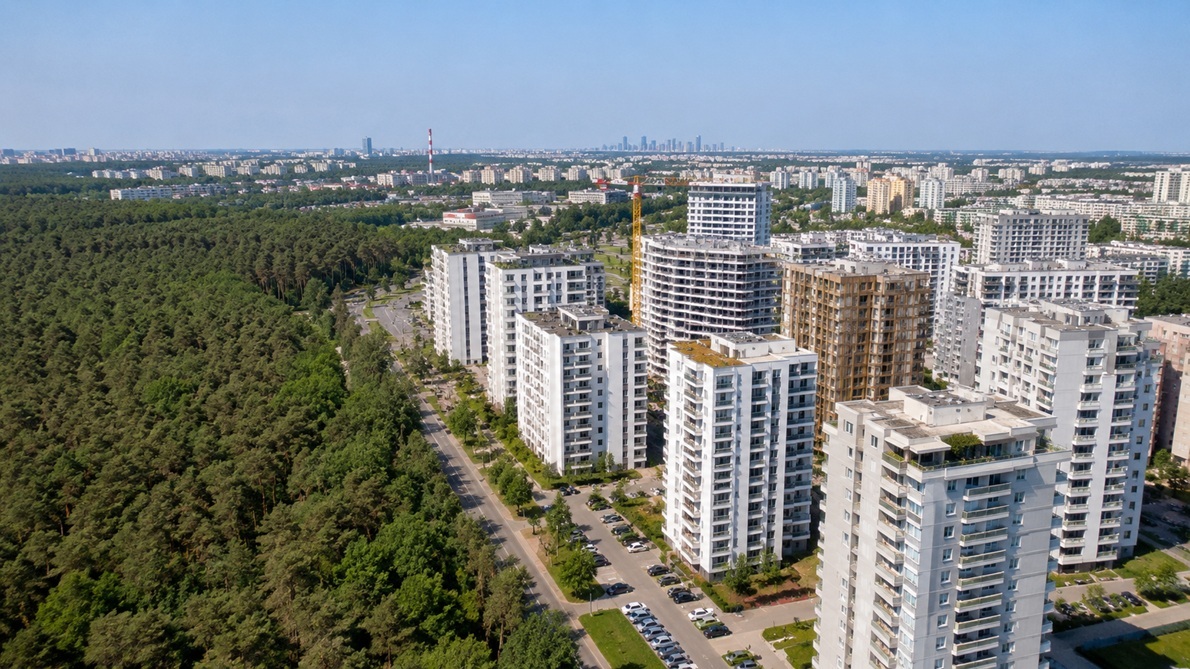
17 Warsaw district guides — analysed for living and investment.
Our district guides compare housing stock, transport, micro-location and buyer fit. Price context is cross-checked against the National Bank of Poland's housing reports and the City of Warsaw's official transaction-price map; transport claims are checked against City of Warsaw transport information. Yield is calculated for each property from documented rent, purchase cost, vacancy and operating assumptions rather than presented as a guaranteed district rate. Start with the full district guide hub →
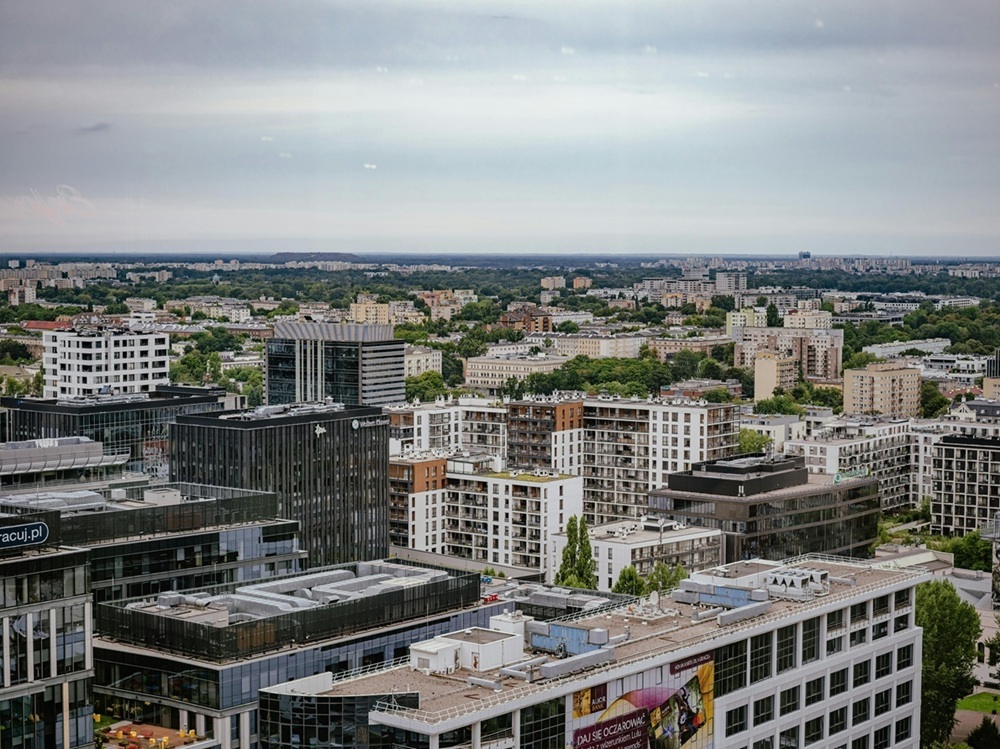
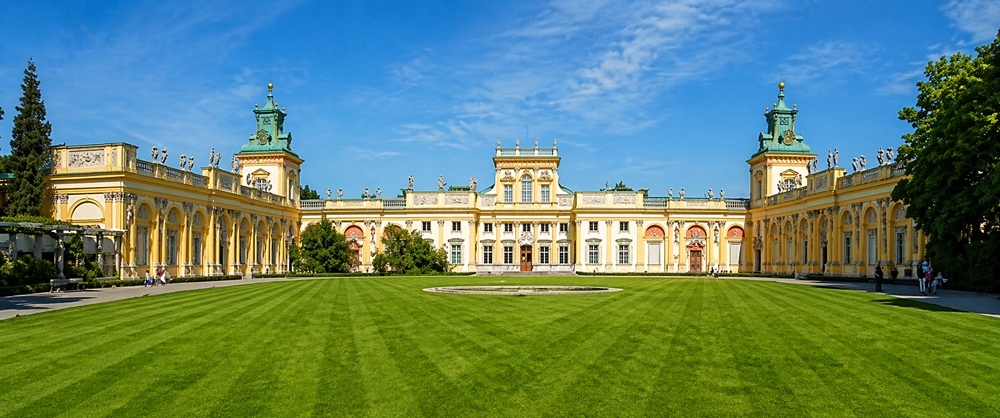
Mokotów
Established residential
offices + transit
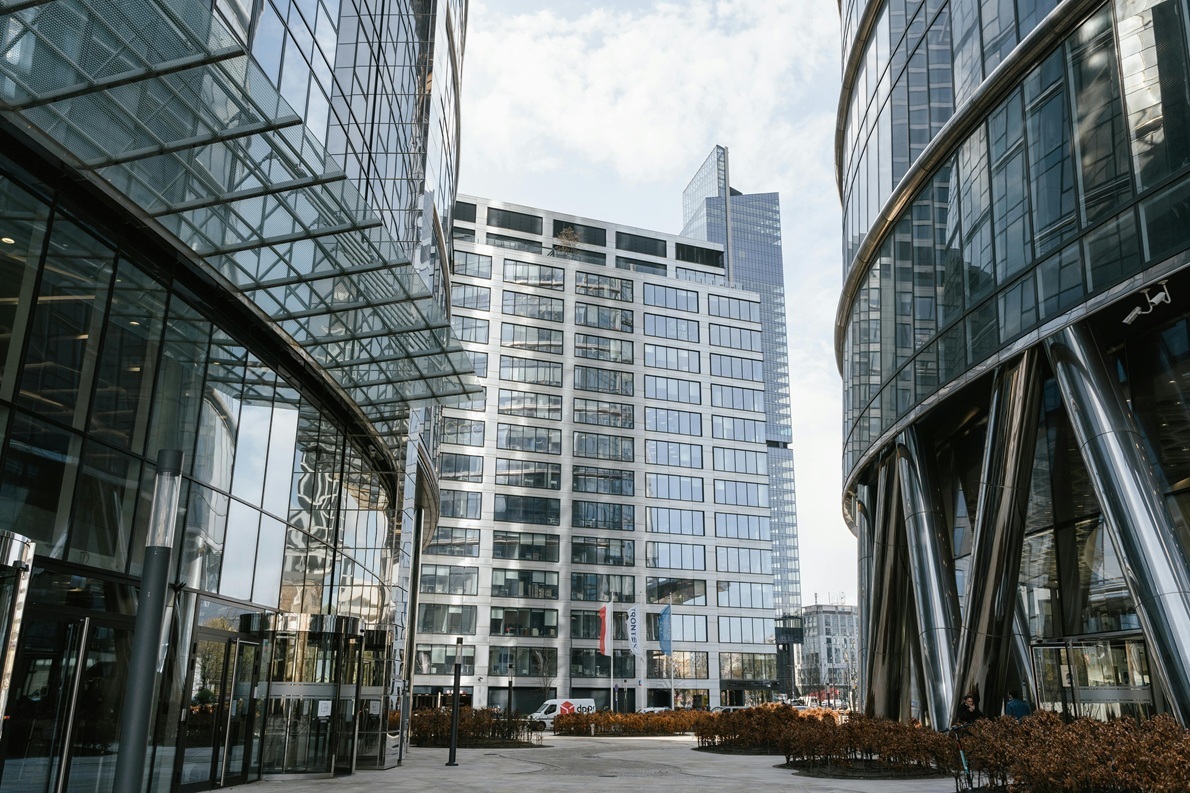
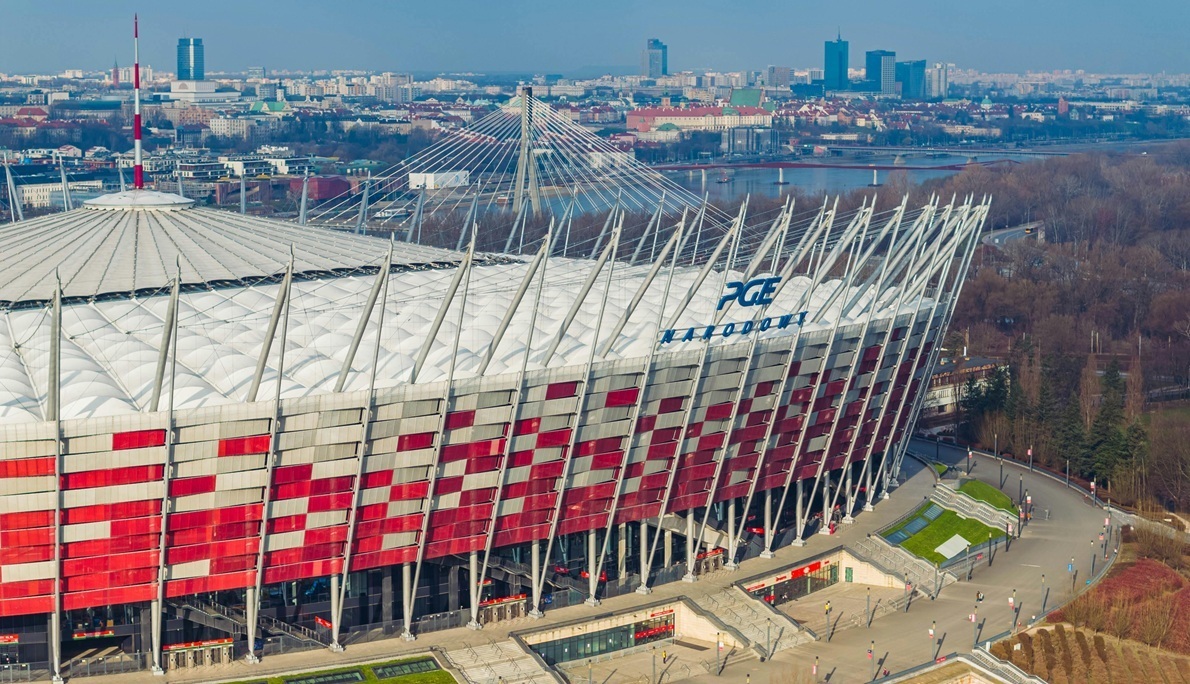
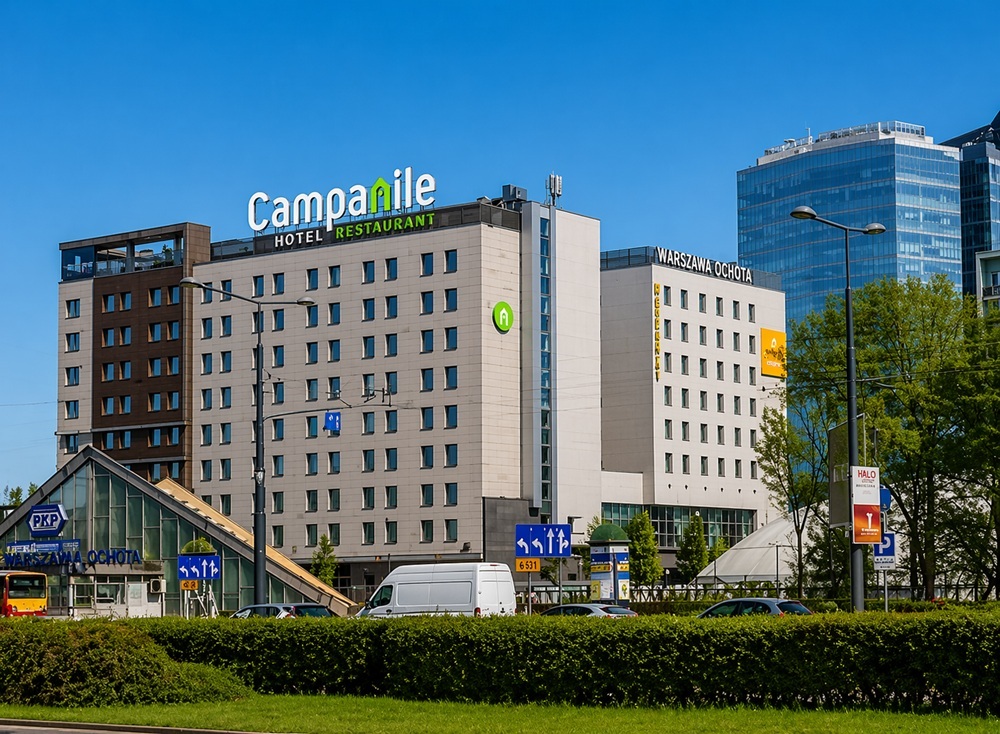
Wola
New-build + resale
business district
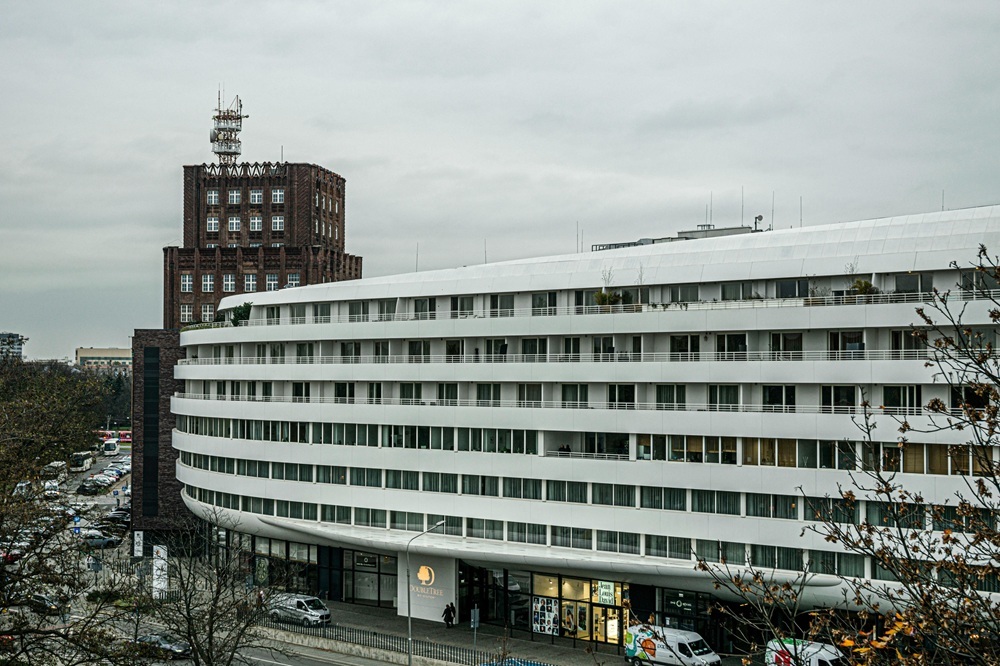
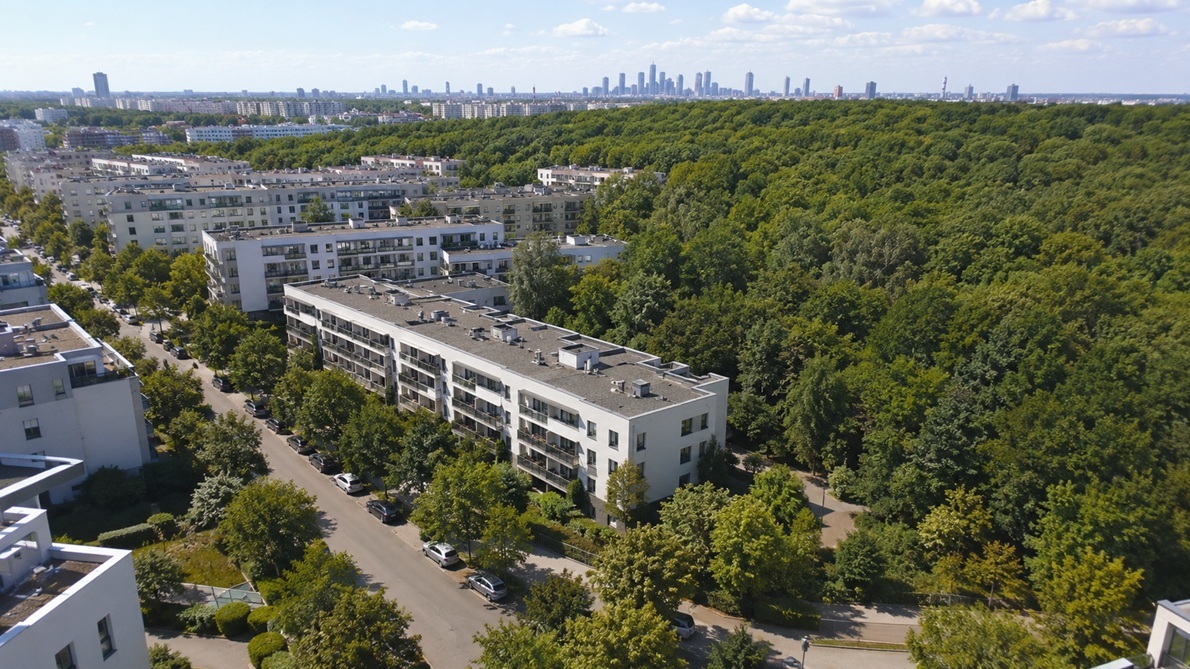
Praga
Mixed housing stock
east-bank locations
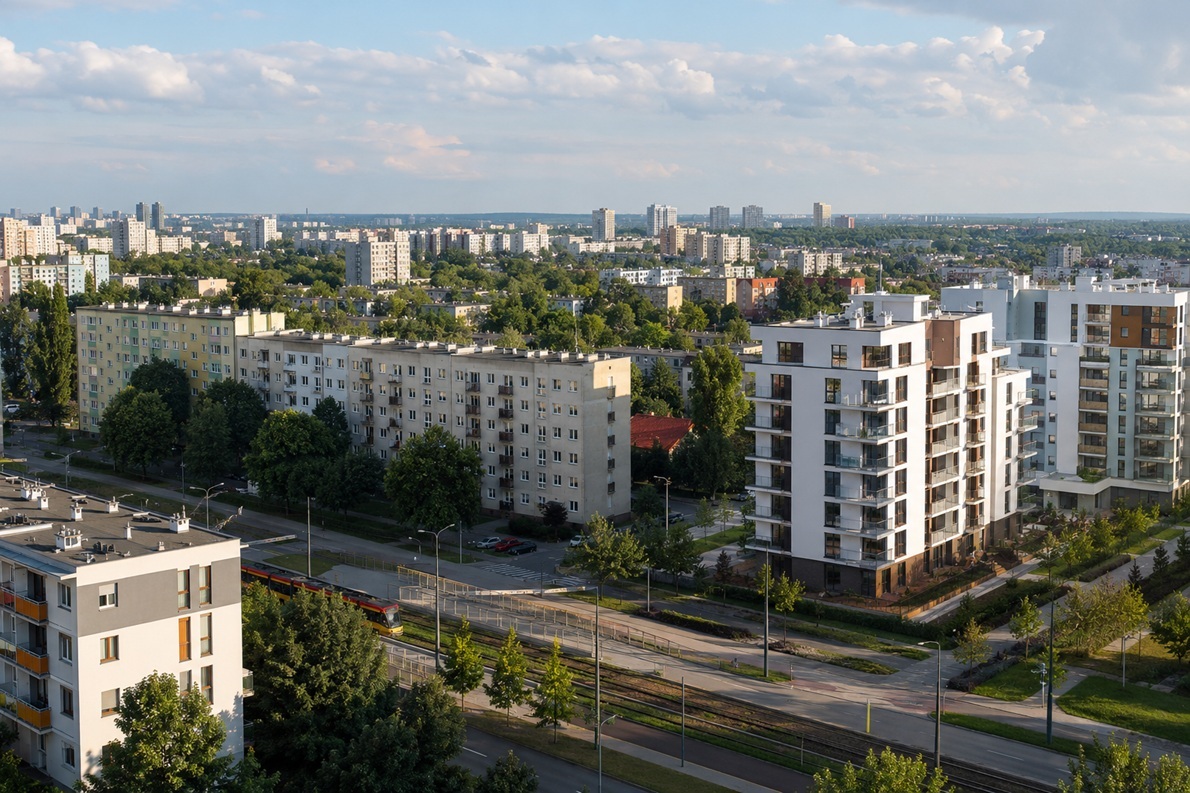
What we do
Complete investment support — from first brief to ongoing management.
 01
01Apartment sourcing
We identify relevant properties across Warsaw's residential districts, filtered by your budget, brief and intended use. Not a portal search: a curated shortlist with location, building and pricing context.
Explore property search →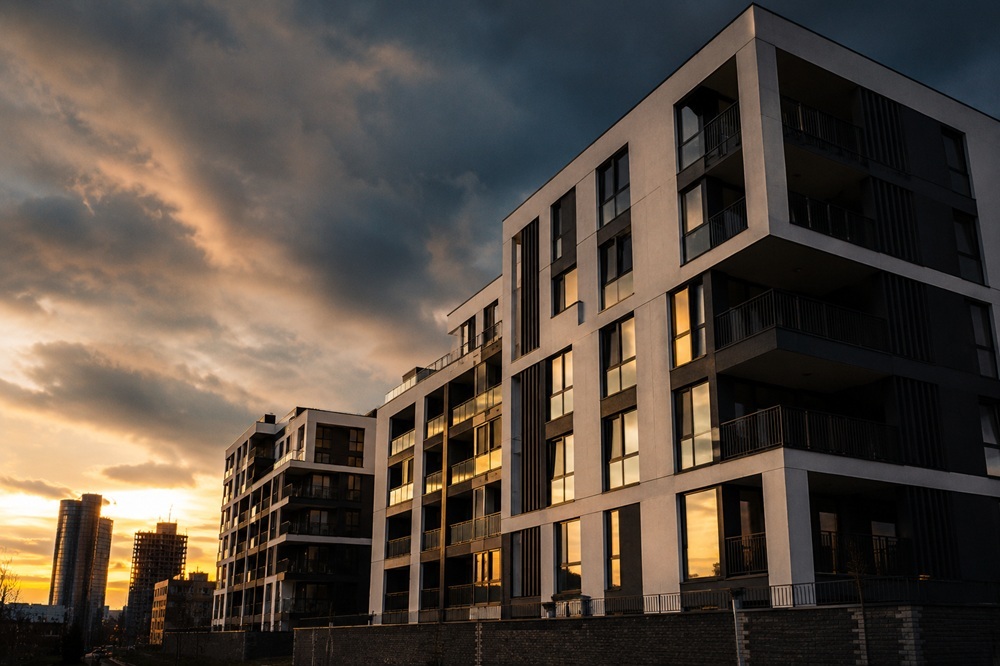 02
02Developer market search
We review selected Warsaw developer projects, compare specifications and payment structures, and identify the options that fit your budget, timeline and intended use.
Explore new-build support →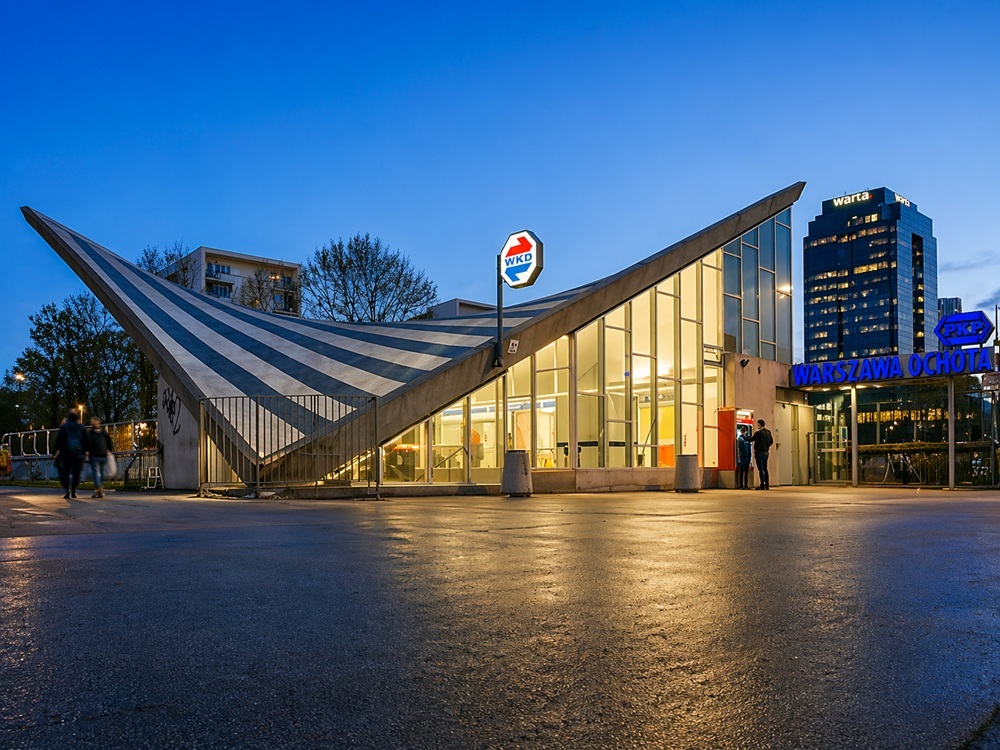 03
03Resale market support
Secondary market sourcing across Warsaw's established districts. We compare options, review title status and structure the commercial approach before any commitment is made.
Compare market routes → 04
04Negotiation guidance
We support offer positioning and price communication in Polish and English — informed by available market evidence, property condition and competing options, not listing-page assumptions alone.
See negotiation support →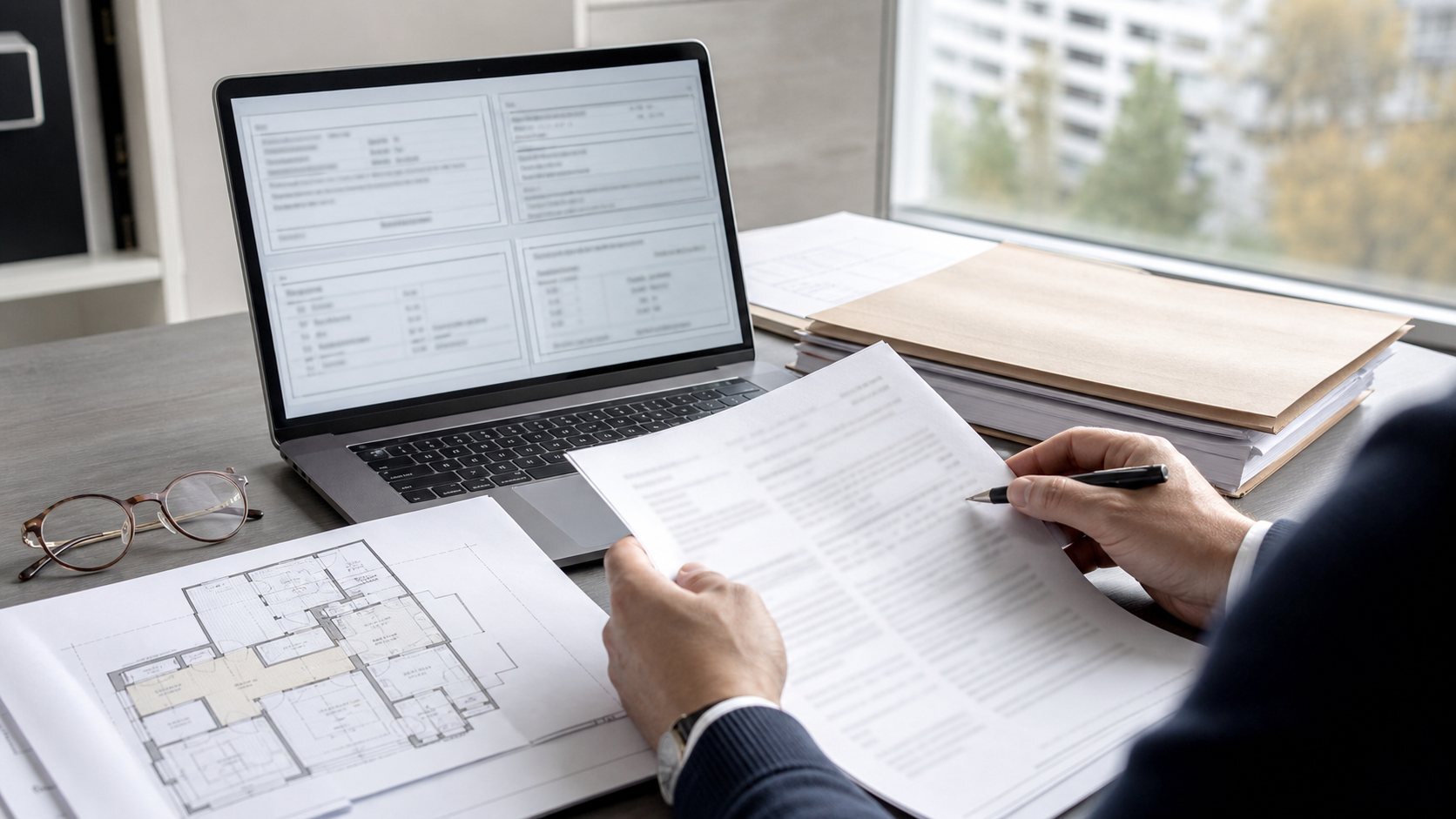 05
05Legal coordination
We organise the transaction around trusted Polish legal specialists. KW title review, contract sequence, notarial preparation, POA logistics and foreign-buyer formalities — all coordinated as one flow.
Review legal coordination → 06
06Renovation, rental setup & management
After acquisition, we coordinate renovation or fit-out, furnishing, handover and rental activation in Warsaw. For qualifying apartments renovated or finished through WIC, we can continue with tenant placement and ongoing long-term management.
Explore post-purchase support →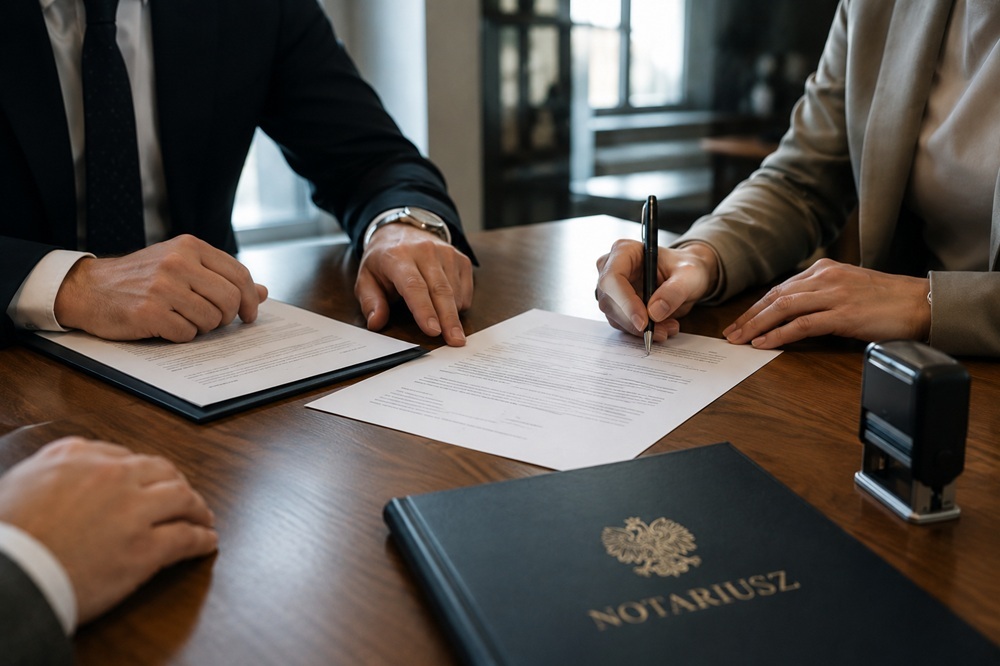
From offer to keys
We stay with you until you sign — and after.
From the first viewing to the notarial deed, we're in the room, on the call or coordinating in the background — so nothing gets lost in translation or left for you to chase.
How we work
From first call to handover — and ongoing management when required.
The process is built for foreign buyers who cannot be in Warsaw for every step. We handle what requires local presence — you handle the decisions. Read the full foreign buyer guide or total cost guide before your consultation.
Begin the process →
01
Tell us what you need
We establish your target districts, property type, budget, intended use (rental, owner-use, mixed) and decision framework — all in English from the first conversation.
02
03
We negotiate and coordinate on your behalf
We coordinate with trusted Polish legal specialists, organise the KW review and title due diligence, support negotiation and prepare the transaction for notarial signing.
04
We stay with you after handover
We coordinate renovation, finishing, furnishing and rental activation in Warsaw after acquisition. For qualifying WIC-renovated or WIC-finished apartments, we can also provide tenant placement and ongoing long-term rental management.
Remote buying
You do not need to be in Warsaw to buy in Warsaw correctly.
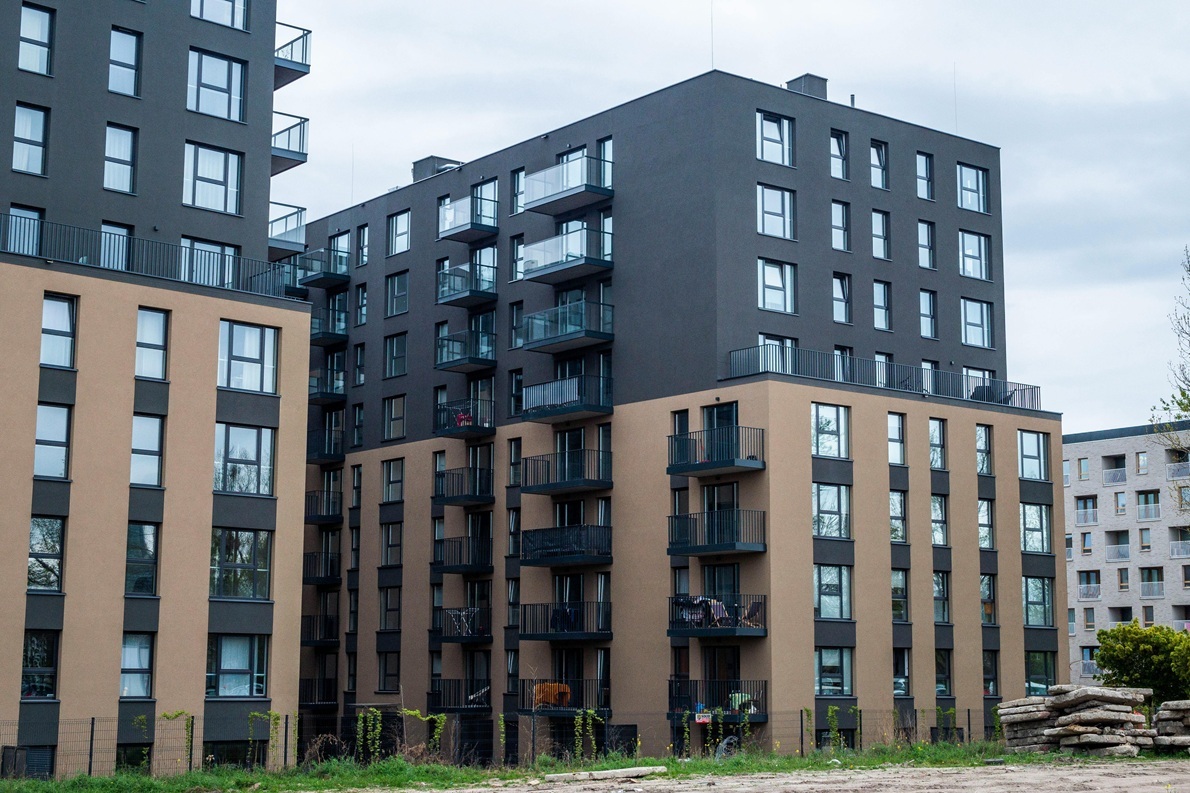
We handle viewings, legal coordination, contractor management and handover in Warsaw on your behalf. The entire purchase — including financing if needed — can be completed remotely, through a properly structured process, not improvised coordination from abroad.
Research hub
Every guide you need to buy in Warsaw confidently.
Our English-language guides cover every dimension of buying property in Warsaw — from district pricing and rental yields to legal rules, transaction costs and renovation budgets. Browse all guides →
→
Can foreigners buy in Poland?
Legal rules, permit requirements and the full purchase process for EU and non-EU buyers.
→
New-build apartments
Stan deweloperski, developer packages and primary market buying explained.
→
Legal coordination
KW title review, purchase sequence, notarial signing and POA logistics.
→
Renovation & finishing
Cost tiers, room-by-room breakdown and remote management guide.
→
Rental income in Warsaw
Realistic yields by district, a worked example and the ryczałt rental tax explained.
→
Taxes & fees when buying
PCC tax, notary fees and every acquisition cost itemised.
Questions
What foreign buyers ask first.
If your question is not covered here, the consultation is the right place — it takes 20 minutes and answers everything relevant to your specific situation.
Ask us directly →Can foreigners buy apartments in Warsaw?
In many cases, yes. The acquisition of a standalone residential apartment is among the statutory exemptions from the Polish permit requirement, while houses, land, access-road shares and other property structures may be treated differently. EEA and Swiss buyers also benefit from broader exemptions. The title, land components and buyer's circumstances should always be checked before signing. Read our guide for foreign buyers and confirm the current rules with a qualified Polish legal specialist or the Ministry of the Interior and Administration.
Can Warsaw Investor Care help if I am relocating to Poland?
Yes. We help foreign buyers who are moving to Warsaw understand districts, transport, schools, daily convenience, purchase costs and the full buying process in English — not only investors chasing yield. See our moving to Poland checklist and living in Warsaw guide for a broader picture of relocating.
Do I need to speak Polish to buy an apartment in Warsaw?
No. Warsaw Investor Care coordinates the entire process in English and helps with communication between the buyer, seller, developer, lawyer, notary, bank, renovation team and property manager, so language is never a barrier to buying correctly.
Can I buy an apartment in Warsaw remotely?
Remote completion may be possible through a transaction-specific power of attorney, sworn translation and a coordinated notarial process, but the required form and scope must be confirmed for the particular transaction. See our legal coordination service, completed client cases and the Ministry's foreign-buyer guidance.
Is Warsaw Investor Care only for investors?
No. We help both investors and people relocating to Warsaw. Some clients buy apartments for rental income, while others buy for personal use, family life or long term residence in Poland — the process and level of local support are the same either way.
Is Warsaw Investor Care an estate agency?
Warsaw Investor Care provides buyer-side property advisory and transaction coordination rather than operating as a listing portal. Under a buyer-representation engagement, our role is to help you search, analyse, select, negotiate and coordinate the purchase. Any role, commercial relationship or fee connected with a specific property is disclosed before you proceed. Read more about our independent buyer's agent service.
Which Warsaw districts are best for foreign buyers?
There is no single best district for every buyer. Compare all 17 Warsaw district guides against your budget, commute, family needs or rental strategy, then shortlist individual streets and buildings. Start with our district guide, verify connections with the City of Warsaw's transport information, and use the city's official property-price map for public transaction-price context.
What is the total cost above the purchase price I should budget for?
The answer depends on whether you buy on the primary or resale market and whether the apartment needs finishing or renovation. Where PCC applies, the standard rate for a real-estate sale is 2%; exemptions and special cases must be checked separately. Other items can include notarial and court fees, translations, specialist support and financing costs. Renovation and furniture should be budgeted separately from acquisition costs. See the Polish Ministry of Finance PCC rates and our total cost guide.
Can Warsaw Investor Care handle the entire process — including renovation, rental and ongoing management?
Yes. We can coordinate the full Warsaw investment process: property search, offer screening, negotiation, legal and notarial coordination, remote purchase logistics, renovation or finishing, furnishing and rental setup. Ongoing long-term rental management is available for qualifying apartments renovated or finished through Warsaw Investor Care, allowing us to take responsibility for the post-purchase standard and operating setup. More detail is available in our renovation and finishing guide and on the pricing page.
What rental yield can I realistically expect from a Warsaw apartment?
Rental yield varies materially by purchase price, district, unit size, condition, tenant profile, vacancy and operating costs. We calculate each opportunity from documented rent evidence and distinguish gross yield from net cash flow rather than relying on a citywide headline. For public market context, use the National Bank of Poland's quarterly housing reports; our rental income guide explains the property-level methodology and worked examples.
Do you ever represent the seller instead of the buyer?
Buyer representation is our core service. If Warsaw Investor Care has any separate seller-side role or commercial relationship connected with a specific property, that fact and the applicable fee structure are disclosed before cooperation begins, so you can decide with full information.
Our commitment
Your buyer-side engagement comes first. Every stage, every decision.
Our role, fee structure and any relationship connected with a specific property are disclosed before you proceed. Within a buyer-representation engagement, the focus is finding the right property on the right terms — then making sure it is ready to use.
Warsaw Investor Care
Looking for the right property in Warsaw, Poland?
Don't spend weeks browsing listings or talking to agencies that represent the seller. Share your budget, preferred districts and property goals — whether you are investing, relocating to Poland or buying for personal use — and we'll search the market, compare opportunities and protect your interests from the first viewing to the final signature.
What happens next
20-minute call · no obligation · in English
Best for
Investors, relocating buyers & families
Market coverage
Primary & secondary market Warsaw
Process scope
Search → purchase → renovation → rental → management
Plan the complete Warsaw ownership route
Know the full buyer cost — and who can run the apartment after completion.
Start with the full purchase budget and the work your apartment may need. Ongoing long-term management is available only for qualifying apartments renovated or finished through WIC. Review the fees and eligibility before planning post-purchase services.