Warsaw Investor Care logo
Living in Warsaw · Schools · Updated 2026

International schools in Warsaw.

British, American and IB curricula, realistic tuition costs, admissions timelines, and how school choice quietly shapes which Warsaw district actually makes sense for a relocating family.

Curricula: British · American · International Baccalaureate Tuition range: ~45,000–126,000 PLN/year Best-linked districts: Wilanów · Mokotów · Sadyba

For families relocating to Warsaw, school choice is rarely a decision made in isolation. It tends to anchor everything else — which district makes sense, how long the daily commute will be, and how quickly children can settle into a familiar academic environment while adjusting to a new country. Warsaw has one of the strongest international school offerings in Central Europe, with options spanning British, American and International Baccalaureate curricula, several of them decades-established.

This guide covers the main curricula on offer, the leading schools and where they're located, realistic tuition costs for 2026, how the admissions process typically works, and — importantly — how school location connects back to choosing the right Warsaw district to live in.

Main curricula
British · American · IB
Several schools combine more than one pathway
Typical annual tuition
45,000–90,000 PLN
Rising to 120,000+ PLN in senior secondary years
Oldest school
Founded 1953
American School of Warsaw, established by the US Embassy
Application timing
6–12 months ahead
Earlier for popular year groups and mid-year entry
Overview

Why school choice comes before district choice

For families with children, the school often decides the neighbourhood — not the other way around.

Warsaw's leading international schools are not evenly distributed across the city — several are located on the southern edge of the capital, near Wilanów, Sadyba and Konstancin-Jeziorna, while others sit closer to central districts. For a relocating family, this geography matters enormously: a daily school run of 10 minutes versus 40 minutes changes the entire feel of family life in a new country, and it's a factor worth resolving before, not after, choosing where to buy or rent.

Warsaw's international school sector is also genuinely mature, not a recent development. The American School of Warsaw was founded in 1953, connected to the US Embassy, and the British School Warsaw has operated since 1992 as part of the Nord Anglia network. That maturity shows up in accreditation, university placement records and established parent communities — an important reassurance for families weighing a move.

01 · Established sector

Decades of track record, not a new market

Warsaw's main international schools have operated for 25–70+ years, with accreditation from recognised bodies including the IB Organisation, CIS and NEASC.

02 · Geography-driven decision

School location often determines district choice

Several leading schools sit south of the centre, making Wilanów, Sadyba and Mokotów the districts most commonly chosen by families prioritising school proximity.

03 · Genuine curriculum choice

British, American and IB pathways all represented

Families are not limited to a single curriculum style — Warsaw offers a genuine choice between British, American and International Baccalaureate education.
Education systems

British, American and IB — what the difference actually means

The curriculum shapes everything from the daily schedule to university preparation — worth understanding before touring schools.

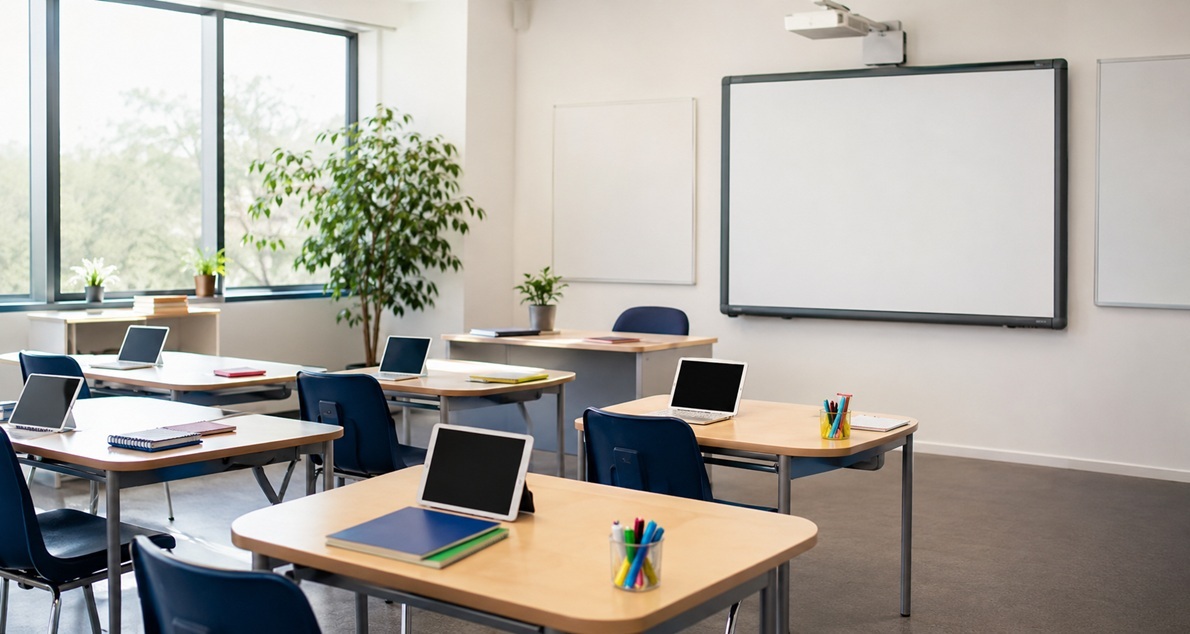
Bright modern classroom in a Warsaw international school with laptops and an interactive whiteboard

British curriculum

Follows the English National Curriculum through to IGCSE (typically age 16) and A-Levels (age 18), both globally recognised qualifications assessed by boards such as Cambridge International, AQA or Pearson Edexcel. This is the pathway offered by the British School Warsaw and the British-track option at several other schools.

American curriculum

Leads to a US High School Diploma, with subject flexibility and continuous assessment closer to the US system. The American School of Warsaw is the primary provider, offering this alongside a full IB pathway for students who want both.

The International Baccalaureate — the common thread

Most of Warsaw's leading schools — British and American track alike — offer the IB Diploma Programme in the final two years (ages 16–18), regardless of which curriculum the school follows earlier on. Several also run the IB Primary Years and Middle Years Programmes throughout. For families uncertain about how long they'll stay in Poland, the IB's international recognition and consistent structure across countries is often the most portable choice.

The main options

Warsaw's leading international schools

A handful of established names cover the large majority of foreign families in Warsaw.

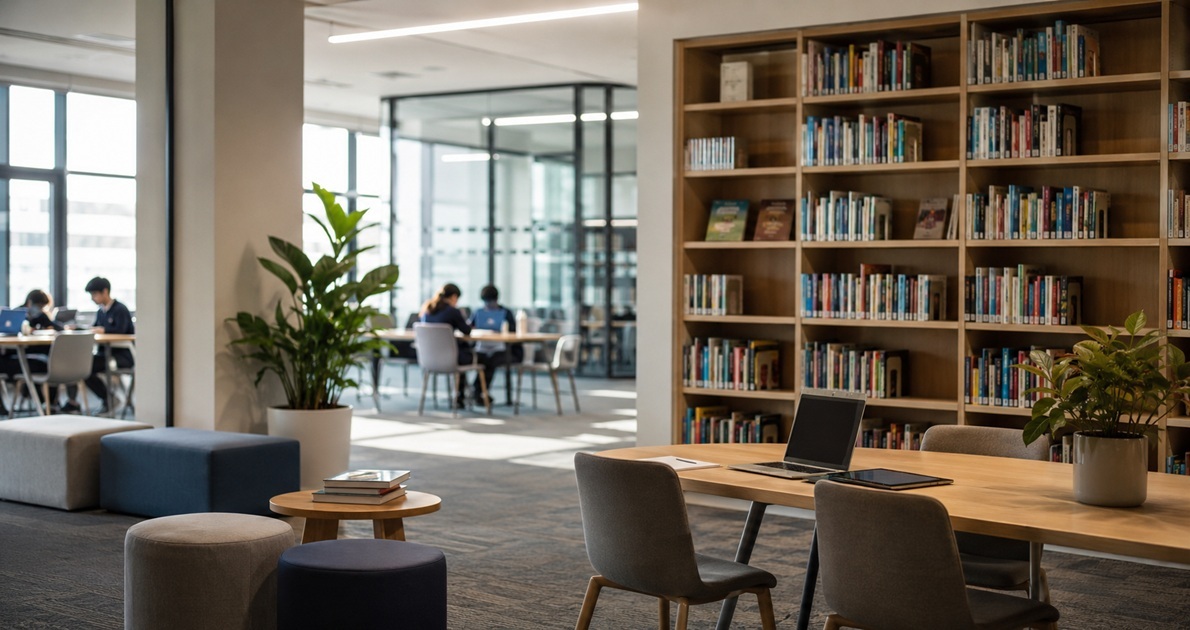
Modern school library and learning lab at an international school in Warsaw
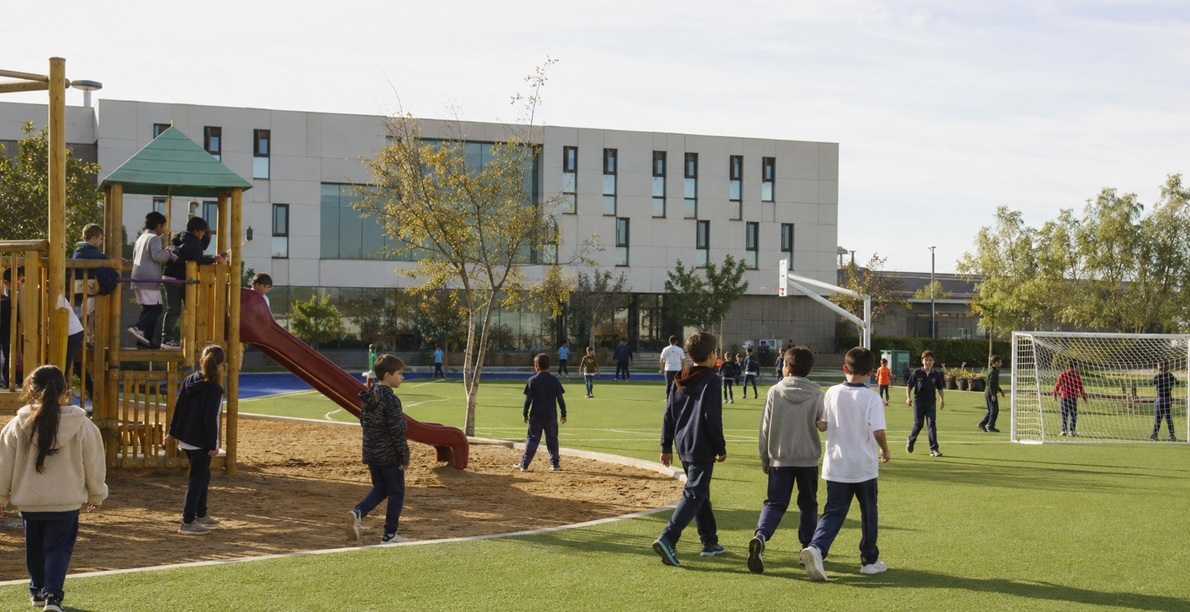
Children playing on a school playground and sports field during break at a Warsaw international school

American School of Warsaw (ASW)

The oldest English-language international school in the city, founded in 1953 by the US diplomatic community. Located on a 25-acre campus in Konstancin-Jeziorna, roughly 20 km south of the centre and about 15 minutes from Wilanów and Sadyba. Offers the full IB continuum (PYP, MYP, DP) alongside a US High School Diploma, serving students from over 50 nationalities.

The British School Warsaw (TBSW)

Part of the Nord Anglia network, established in 1992 as the first private Nord Anglia school in Poland. Operates two campuses — an Early Years site in old Mokotów and a Primary/Secondary campus in Sadyba. Follows the English curriculum through IGCSE and offers both A-Levels and the IB Diploma Programme in the final two years, with around 1,240 students enrolled.

International European School Warsaw (IES)

Covers ages 3–18 with a blended IB, British and Polish approach, leading to IGCSE, A-Levels, the IB Diploma or the European Baccalaureate. A distinctive option for families wanting a curriculum that stays closer to elements of the Polish national framework alongside international qualifications.

Other established options

Warsaw also hosts several smaller and specialised international schools and bilingual programmes, including French, German and other national curricula, plus a number of schools offering international departments within a broader Polish institution at a lower price point. These are worth investigating for families with a specific home-country curriculum preference.

Budgeting

What international schools actually cost, 2026

Tuition rises meaningfully by year group — budget for the age your child will be in three to five years, not just today.

Annual tuition at Warsaw's leading international schools generally starts around 45,000–55,000 PLN for early years and primary year groups, rising to 80,000–126,000 PLN for senior secondary and IB Diploma years at the most established schools. On top of tuition, expect one-off registration and deposit fees typically ranging from 1,000 to 6,000 PLN per child, plus separate charges for school lunches, uniforms, transport, external exam registration (IGCSE, A-Level, IB) and extracurricular activities.

School / stage Approx. annual tuition (PLN) Notes
British School Warsaw — Pre-Nursery ~52,000 PLN 2026/27; rises through year groups to ~126,400 PLN senior secondary
American School of Warsaw — Pre-K to Grade 12 ~40,000–84,000 PLN + USD portion Fees quoted partly in USD, partly in PLN
International European School — Primary ~€8,600/year Secondary rises to ~€12,900/year
Registration / deposit (typical) 1,000–6,000 PLN One-off, sometimes partially refundable
Sibling discounts are common

Most established schools offer a sibling discount structure — typically 5% for a second child, rising to 10–15% for a third or fourth — which meaningfully changes total cost for larger families. Always ask for the full fee schedule by year group directly from the school, since published figures change annually and this guide is necessarily a snapshot.

Application process

How admissions typically works

Generally more straightforward than families expect — but timing still matters.

01

Online application and fee

Most schools start with an online application form and a non-refundable application fee, often in the range of $100–750 depending on the school and stage.

02

Supporting documents

Expect to provide the last one to two years of school reports, teacher references, and for older students, sometimes previous exam results — translated into English or Polish where relevant.

03

Assessment, if applicable

Admission is generally non-selective for younger children, but older students may sit a brief academic or language assessment to confirm placement in the right year group.

04

Offer and deposit

Following acceptance, a place is usually secured with a refundable deposit and the first term's fees, formalised through a signed enrolment or acceptance agreement.

Apply 6–12 months ahead of your intended start date where possible. Popular schools and specific year groups can run waiting lists, particularly for mid-year entry outside the normal September intake — a September start is almost always the smoothest option if your relocation timeline allows for it.

Location logic

Which Warsaw district fits which school

School commute is one of the most underrated factors in choosing where to live — worth mapping before the property search starts.

Targeting the American School of Warsaw

Wilanów is the district most closely associated with ASW access, sitting closest to the Konstancin-Jeziorna campus. Families prioritising ASW commonly choose Wilanów specifically for this reason — it's one of the clearest examples in Warsaw of a school driving district choice rather than the reverse. See our Wilanów property guide.

Targeting the British School Warsaw

Mokotów and Sadyba offer the strongest access to TBSW's two campuses — the Early Years site in old Mokotów and the Primary/Secondary campus in Sadyba. Mokotów's broader expat and family infrastructure makes it a natural fit alongside school proximity. See our Mokotów property guide.

Families choosing a more central location — Śródmieście or Żoliborz — should factor in a longer, sometimes bus-dependent school commute, particularly toward the American School's southern campus. This trade-off is worth weighing consciously: a more central address offers walkability and city life, while a southern district trades some of that centrality for a dramatically shorter school run.

Our recommendation for school-first families

If school access is the deciding factor, confirm the specific school and campus first, then work backward to the district and property search — not the other way around. We routinely help families sequence this correctly, since reversing the order after a purchase is far more disruptive than getting it right from the start.

FAQ

Frequently asked questions about international schools in Warsaw

The questions relocating families ask most often, answered directly.

How much do international schools cost in Warsaw?

Annual tuition at Warsaw's leading international schools typically ranges from around 45,000 PLN for younger year groups to over 120,000 PLN for senior secondary years, with most established British and American schools falling between 50,000 and 90,000 PLN per year. One-off registration and deposit fees of 1,000 to 6,000 PLN commonly apply on top.

What curricula do international schools in Warsaw offer?

The main options are the British curriculum leading to IGCSE and A-Levels, the American curriculum leading to a US High School Diploma, and the International Baccalaureate (IB), which many schools offer as a Diploma Programme in the final two years alongside their primary curriculum. Several schools combine more than one pathway.

Which Warsaw district is best for international schools?

Wilanów is the district most closely associated with international school access, largely due to its proximity to the American School of Warsaw campus in nearby Konstancin-Jeziorna. Mokotów and Sadyba also have strong access, home to the British School Warsaw's two campuses. Żoliborz and Śródmieście families more commonly commute further for school access.

How competitive is admission to international schools in Warsaw?

Admission is generally non-selective for younger year groups at most schools, though popular schools and specific year groups can have waiting lists, particularly for mid-year entry. Families should apply as early as possible, ideally 6–12 months ahead of the intended start date, and expect a straightforward process involving school reports, references and sometimes an assessment for older students.

Do international schools in Warsaw offer sibling discounts?

Most established schools do — typically around 5% for a second child, rising to 10–15% for a third or fourth child, though the exact structure varies by school and should be confirmed directly for current rates.

Is the International Baccalaureate a better choice than British or American curricula?

There's no universally "better" option — it depends on the family's plans. The IB is generally the most internationally portable choice for families uncertain how long they'll stay in Poland, since its structure and recognition are consistent across countries. British and American pathways are strong choices for families planning to return to, or move toward, a specific national university system.

Next step

Relocating to Warsaw with children?

We help families sequence school choice and district selection correctly — so the property search starts from the right place, not the other way around.

Parent and child walking with a backpack toward a modern international school campus in Warsaw

Let's plan your family's move to Warsaw properly.

Whether you already know which school you're targeting or are still weighing options, we can help connect school access, district choice and the property search into one coherent plan. No charge for an initial consultation.

District & school sequencing
Property sourcing
Legal & tax coordination
Full relocation support

Continue reading — Living in Warsaw

Living guide

Best Districts to Live in Warsaw

Residential areas for expats, families and professionals.

Living guide

Healthcare in Warsaw

NFZ, private insurance and finding English-speaking doctors.

Living guide

Moving to Poland Checklist

Practical steps before and after relocation.

District guide

Wilanów Property Guide

Family and expat district closest to the American School.

District guide

Mokotów Property Guide

Established residential district near the British School.

Hub

Living in Warsaw

The main lifestyle and relocation hub for foreign buyers.