



The hardest part of moving to Poland is rarely the move itself — it's the paperwork that follows, and the fact that almost no one explains it in the right order. Each step tends to depend on a previous one, so doing them out of sequence means repeated trips to the same office. This checklist lays out the essentials in the order they actually make sense, in plain English.
An important note before you start: requirements differ by nationality (EU/EEA versus non-EU), by the length and purpose of your stay, and they can change over time. Treat this as an orientation map, not legal advice — always confirm the current rules with the relevant office or a qualified adviser for your specific situation before relying on any single step.
Before you arrive
A little preparation before the move removes most of the friction from the first weeks.
The single most useful thing you can do before arriving is to understand your own status. EU and EEA citizens have the right to live and work in Poland without a visa, but generally need to register their residence for stays beyond three months. Non-EU nationals usually need an appropriate visa or residence permit arranged before or shortly after arrival, with the type depending on whether you're coming for work, study, family or other reasons.
- Confirm your residence basis. Know whether you're registering as an EU citizen or applying for a residence permit — this shapes the whole sequence that follows.
- Gather and translate key documents. Passport, birth and marriage certificates, qualifications and any employment documentation — certified translations into Polish are often required, and arranging them early saves time later.
- Sort somewhere to live first. A registered address underpins several later steps, so securing accommodation — even temporary — is an early priority.
Your address is the foundation for much of the paperwork. If you're buying rather than renting, our advisory side guides foreign buyers through the whole purchase in English — see the Warsaw buying process.
The order of things
Each step tends to unlock the next — which is exactly why doing them in the right order saves so much time.
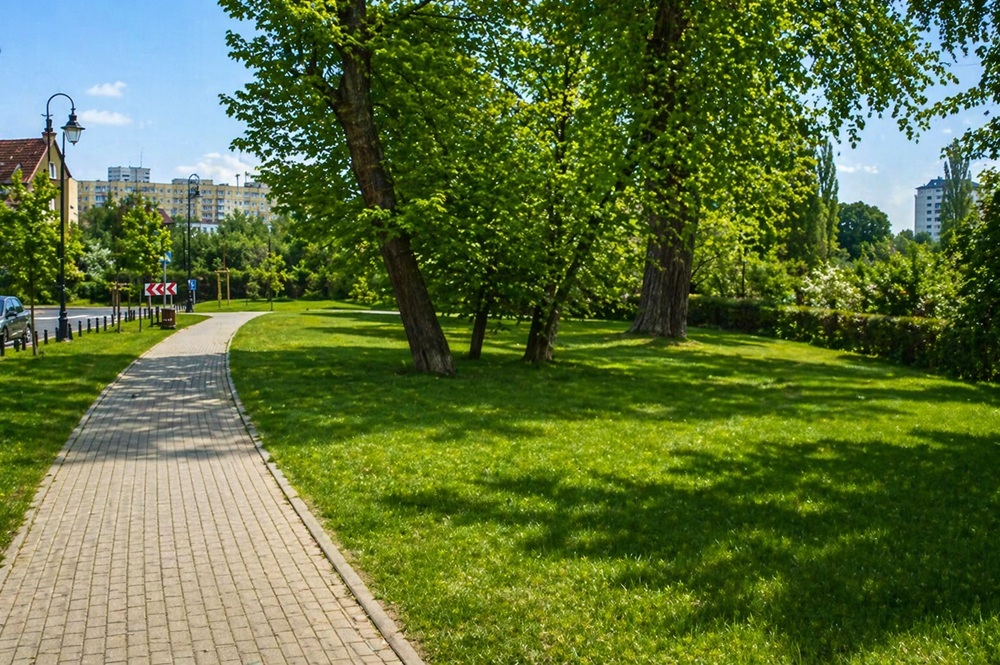 Settling in — Warsaw's international community makes the process easier than newcomers expect
Most of the administrative steps interlock. A registered address helps with residence registration; residence status feeds into obtaining a PESEL; a PESEL makes opening a bank account and accessing healthcare and tax administration far smoother. Doing things roughly in the sequence below means each step has what it needs from the one before, rather than sending you back to start again.
The checklist that follows is the order most newcomers find works best. It isn't the only valid sequence, and some steps can overlap, but following it broadly will keep the paperwork moving rather than stalling.
The relocation checklist
The core sequence — what to do, roughly when, and why it matters.
Register your residence
EU/EEA citizens staying beyond three months generally register their residence with the authorities; non-EU nationals apply for the appropriate residence permit. This establishes your legal basis for living in Poland and underpins almost everything that follows.
Bring your passport, proof of address and documentation supporting your basis of stay (employment, study, family, etc.). Requirements vary by status, so check the current list with the relevant office before going.
Obtain a PESEL number
The PESEL is Poland's personal identification number, used across administration, healthcare, banking and tax. It is the single most useful thing to obtain early, because it makes nearly every other process simpler. It's typically issued by the local municipal office.
While not always strictly mandatory for short stays, it is strongly recommended for anyone actually living here. Requirements depend on your residence status, so confirm what applies to you.
Open a Polish bank account
A local account makes daily life far easier — paying rent, utilities, the building charge (czynsz), receiving income and avoiding currency conversion costs. Most major banks accept foreign customers, typically requiring a passport, a Polish address and often a PESEL.
Requirements and ease of opening vary between banks, and some are notably more newcomer-friendly than others, so it's worth comparing a few before choosing.
Arrange healthcare cover
Poland has a public healthcare system alongside a strong private sector. Your access route depends on your situation — employment-based contributions, voluntary public insurance, or private health cover, which many newcomers use for speed and English-language service.
Sorting healthcare early means you're covered from the start rather than scrambling when you first need it. Confirm which route fits your residence and employment status.
Register for tax and other essentials
Depending on your work and income, you may need to register with the tax authorities — your PESEL is central here. This is also the point to set up utilities, internet and a mobile plan, and to register children for school if you're moving with family (covered next).
Tax residency can be nuanced, especially with foreign income, so a qualified tax adviser is worth consulting rather than relying on general guidance.
Moving with family
A few additional steps apply when you're relocating with children — schooling chief among them.
Choose the school type first
Warsaw offers public, private and international schools. International schools (English and other languages) are popular with expat families and cluster in certain districts — which often shapes where families choose to live.
Register early
Places at sought-after schools, especially international ones, can be limited, so start the process well ahead of the move. Requirements differ between school types and should be checked directly with each school.
Cover the whole family
Make sure healthcare arrangements extend to children from day one. Many families opt for private cover for speed and English-language paediatric care while settling in.
For families, the school often determines the neighbourhood as much as the other way around. Our guide to the best districts to live in Warsaw covers the family-oriented areas where international schools cluster.
Settling in
Once the admin is done, the things that actually make a city feel like home.
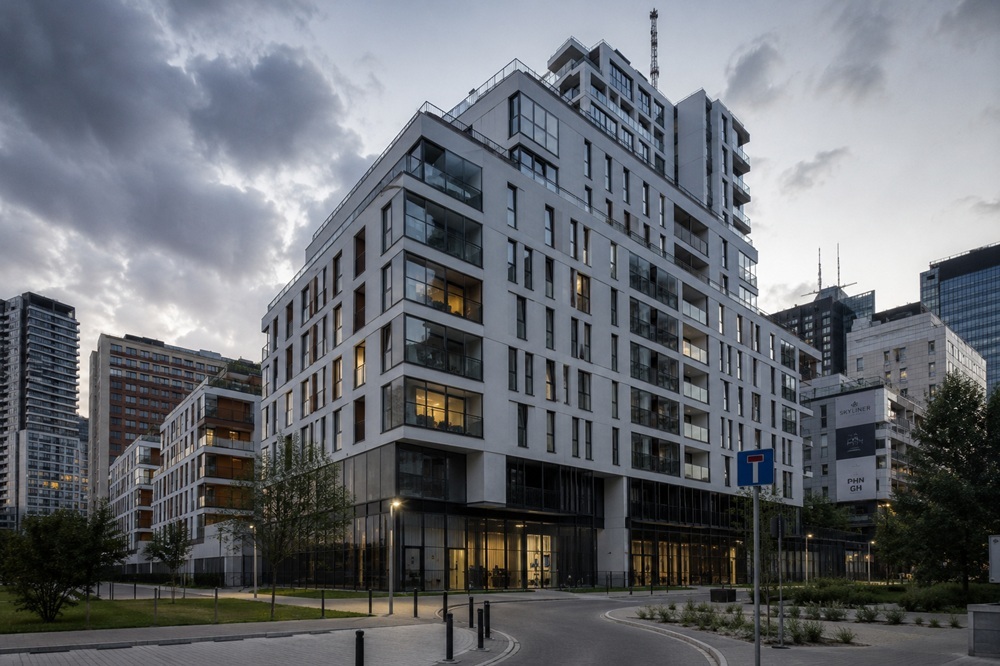
 Green, modern residential Warsaw — the kind of place that quickly makes the city feel like home
With the essentials in place, settling into Warsaw tends to happen quickly. The combination of a safe environment, easy transport, an affordable cost of living and a sizeable international community means most newcomers find their feet within the first month or two. A few practical pointers smooth the transition:
- Get the city transport app and a travel pass. It removes a surprising amount of daily friction and is inexpensive.
- Start learning some Polish. Daily life is manageable in English, but even basic Polish is warmly received and helps with deeper integration and official errands.
- Tap into the international community. Expat groups, neighbourhood networks and local meetups make the social side of settling in far easier.
- Explore your district on foot. Knowing your local market, café, park and tram stop is what turns an address into a home.
From choosing a district to navigating the move, our Warsaw-based team helps newcomers settle in plain English. Start at the Living in Warsaw hub.
Moving to Poland — common questions
The questions newcomers ask most often about the relocation paperwork.
What paperwork do I need when moving to Poland?
The core steps for most newcomers are: registering your stay (residence registration for EU citizens, or a residence permit for non-EU nationals), obtaining a PESEL number, opening a Polish bank account, arranging healthcare, and — for families — registering children for school. The exact order and requirements depend on your nationality and length of stay, and rules can change, so verify current requirements with the relevant office before relying on any step.
What is a PESEL number and do I need one?
A PESEL is the Polish personal identification number used across administration, healthcare, banking and tax. While not always strictly required for short stays, it's highly recommended for anyone living in Poland, as it makes almost every other process simpler. It's typically obtained from the local municipal office, and requirements depend on your residence status.
Can EU citizens move to Poland freely?
Yes. EU and EEA citizens have the right to live and work in Poland without a visa or work permit. For stays beyond three months, they're generally required to register their residence. Non-EU nationals usually need an appropriate visa or residence permit, the type depending on the purpose and length of stay.
How do I open a bank account in Poland as a foreigner?
Most major Polish banks allow foreigners to open an account, typically requiring a passport and often a Polish address and a PESEL number. Requirements vary between banks, and some are more straightforward for newcomers than others, so it's worth comparing a few before applying.
Do I need to speak Polish to handle the paperwork?
Daily life in Warsaw is manageable in English, and help is available for official processes. That said, some offices and documents operate primarily in Polish, and certified translations of key documents are often required, so arranging language support for the administrative steps is sensible. Learning some Polish helps over time.
Planning a move to Warsaw?
Whether you're renting, buying or still weighing it up, we're happy to share honest, local guidance based on where and how you want to live.
Make the move the easy part.
From the paperwork to choosing a district and finding a home, our Warsaw-based team guides newcomers through relocation in plain English — renting or buying.
Related guides
Best districts to live in
Where to settle for daily life — area by area, with the family districts.