


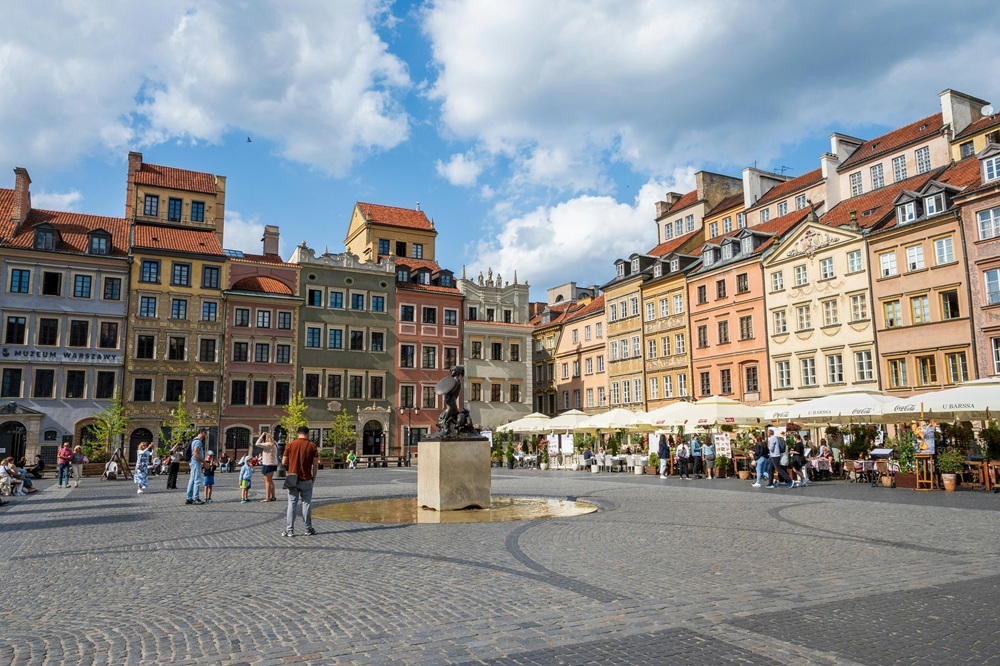
Most guides about Warsaw talk about yield, capital growth and rental returns. This one is about your week. If you are relocating to Poland for work, family, or simply a calmer and more affordable life, the questions that matter are different: Is the city safe to walk at night? What does a normal month actually cost compared to where you live now? Which neighbourhood lets you reach a tram, a park and a good coffee without thinking about it?
Warsaw has quietly become one of Europe's most liveable large capitals — safe, well connected, green, and meaningfully cheaper than London, Paris or Berlin without the drop in quality you might expect. This section answers the practical questions newcomers ask before they move, the way a friend who already made the move would answer them. No relocation jargon, no sales pressure — just the real picture.
Three things newcomers notice in the first month
Ask anyone who has relocated to Warsaw what surprised them, and the same three answers come up — usually with a note of relief.
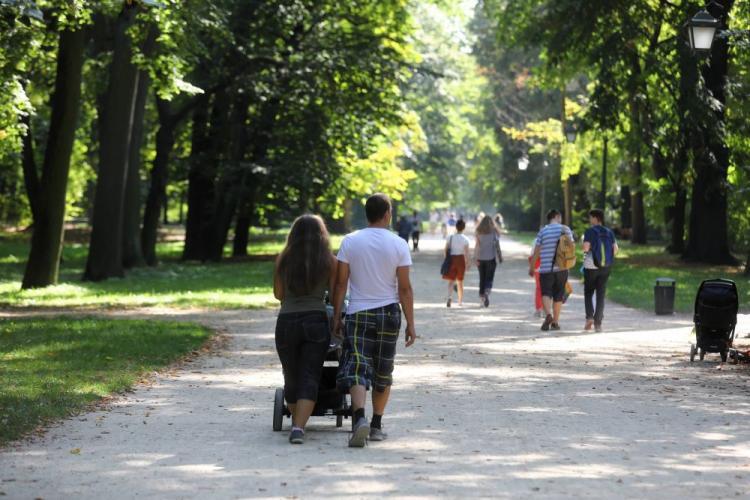 Everyday life in Warsaw — green, relaxed and easy, even in the centre
It feels safe
Lit, active streets late into the night, public transport that is genuinely well used, and ordinary family life across most residential districts. The relief is real for people arriving from larger, tenser cities.
Life is uncomplicated
Fast metro and trams, contactless payment absolutely everywhere, English widely understood in the centre, and most daily errands solved within a short walk of home.
It costs less
Rent, groceries, eating out and services remain markedly cheaper than in Western European capitals — without the trade-off in quality, infrastructure or safety you might assume comes with a lower price.
The guides to living in Warsaw
Each guide answers one real question newcomers ask before they move — honest, current, and written for daily life rather than for investors.
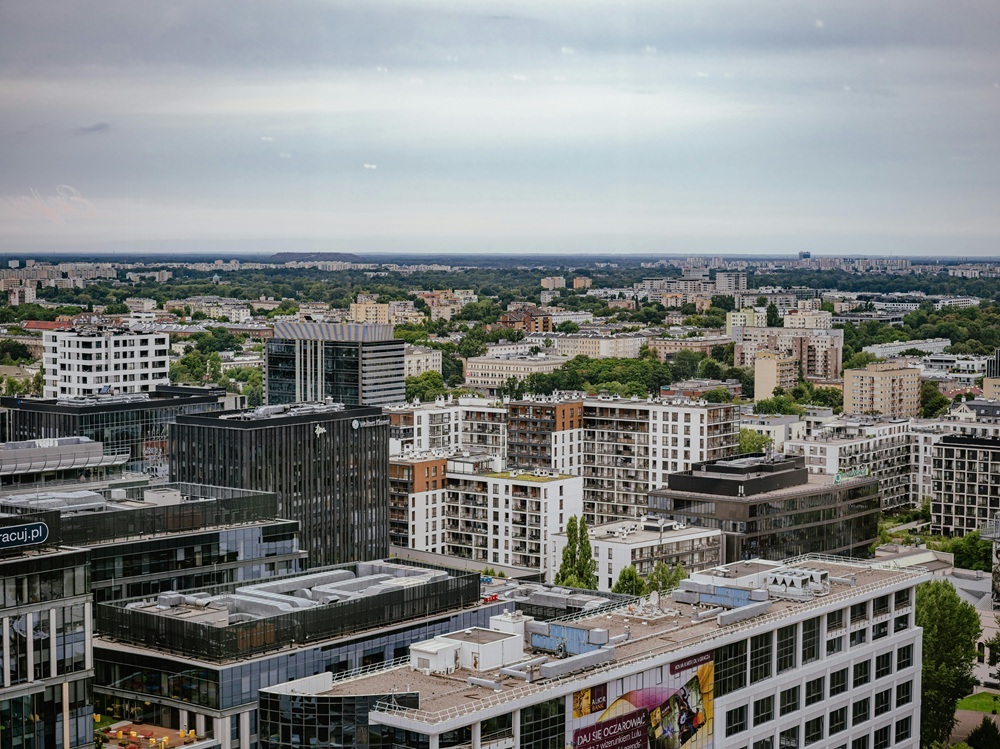
Is Warsaw safe?
What the city is actually like day and night, how it compares to other European capitals, which districts feel most comfortable, and the few things genuinely worth watching out for.
Read the guide
Cost of living in Warsaw
A realistic monthly budget — rent, groceries, transport, eating out — and an honest comparison with what the same life costs in Western European cities.
Read the guide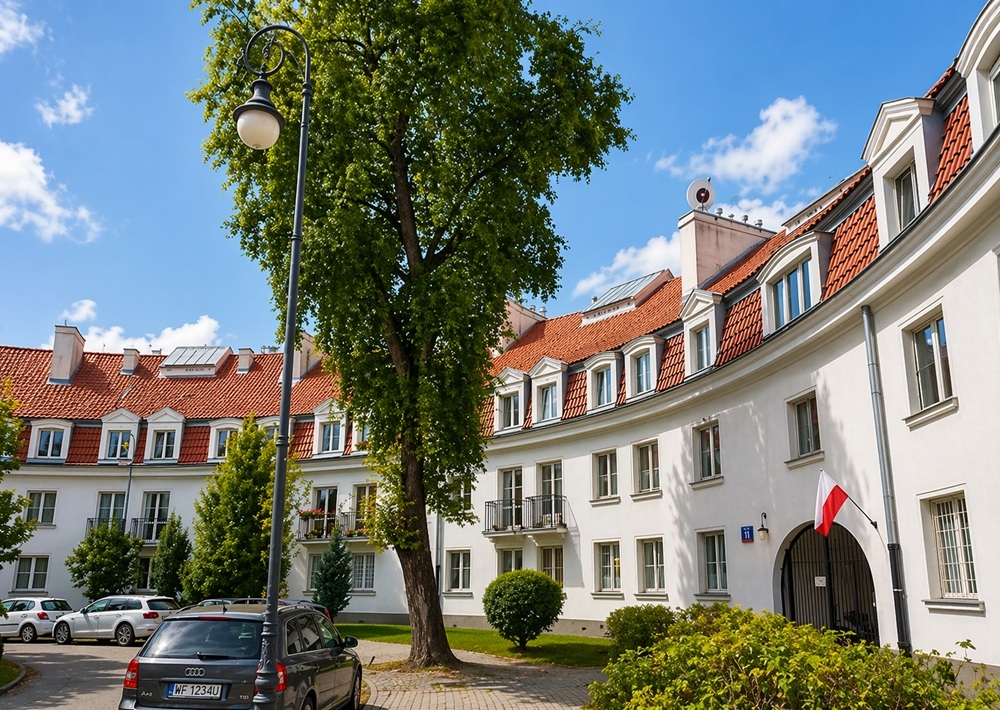
Best districts to live in
Where to live for daily life rather than rental return — the green, walkable, well-connected areas that suit families, couples and remote workers.
Read the guide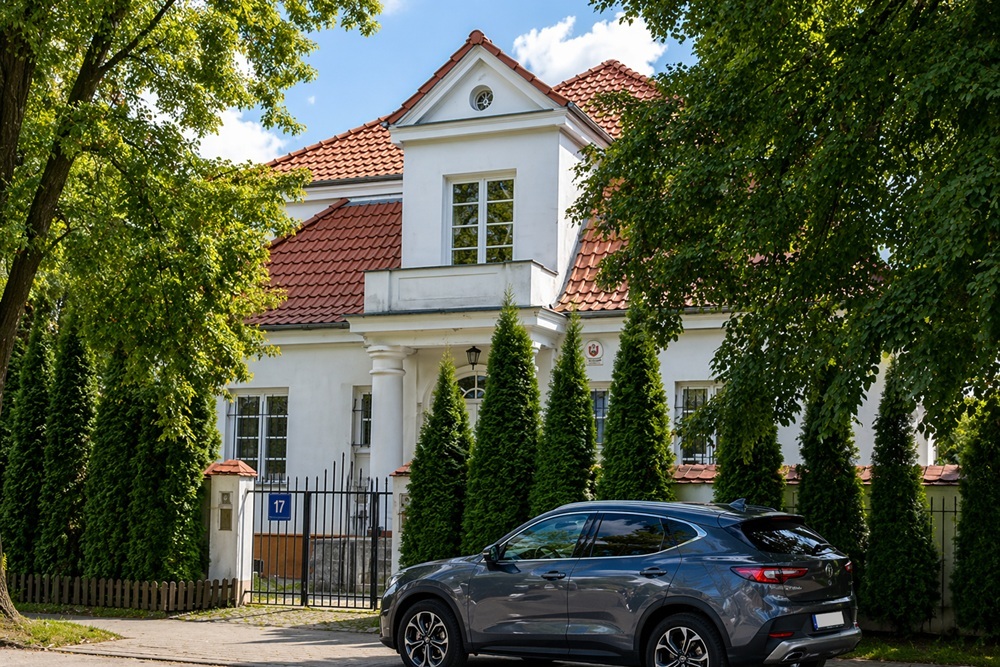
Moving to Poland: the checklist
The paperwork no one explains up front — PESEL, residence registration, a bank account, healthcare and schools — in the order you will actually need them.
Read the guide
Healthcare in Warsaw
Public NFZ coverage, private networks like Luxmed and Medicover, realistic costs, English-speaking doctors and what to do in an emergency.
Read the guide
International schools in Warsaw
British, American and IB curricula, realistic tuition costs, admissions timelines, and how school choice shapes which district makes sense.
Read the guide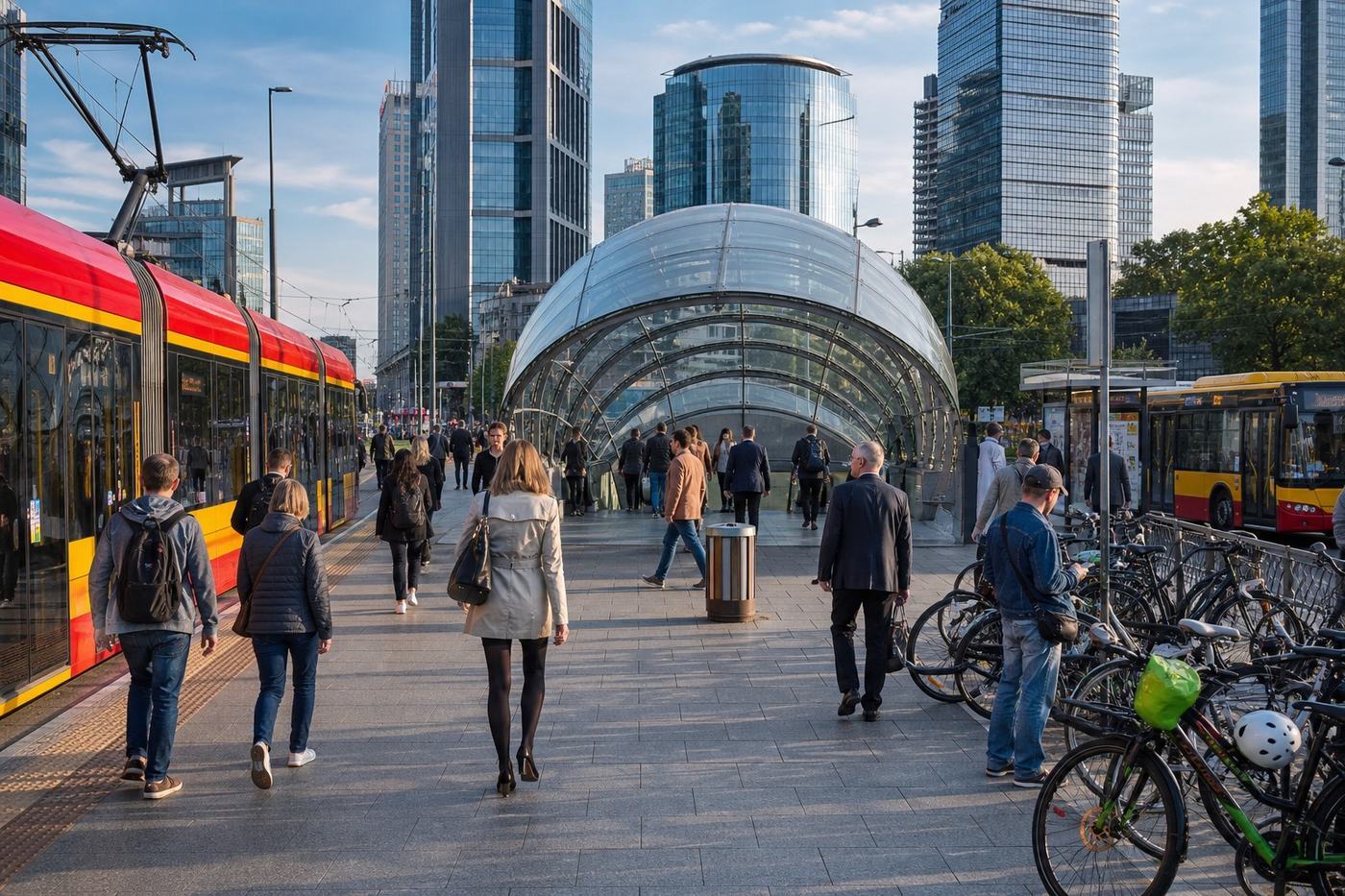
Public transport in Warsaw
Metro, trams, buses, tickets, airport connections and the practical rules that make everyday travel around Warsaw straightforward.
Read the guide
How to get a PESEL number
Who needs a PESEL, where to apply, which documents to prepare and how address registration can simplify the process.
Read the guide
Renting vs buying in Warsaw
Compare flexibility, ownership costs, financing, legal steps and district certainty before choosing your Warsaw housing route.
Read the guideIs Warsaw safe?
The first question almost everyone asks — and the one Warsaw answers most reassuringly.
Yes — Warsaw is consistently regarded as one of the safer large capitals in Europe. Violent crime is low, the centre and residential districts stay busy and well lit into the evening, and most newcomers feel comfortable walking alone, including at night. The realistic things to watch are minor: the occasional pickpocket in crowded tourist spots and around major transport hubs. People relocating from larger Western cities almost always describe daily life here as lower-stress — late trams, walking home, children moving around the neighbourhood, all of it simply feels easier.
Our dedicated guide covers safety day and night, a capital-by-capital comparison, the calmest residential districts, and exactly what to keep an eye on. Is Warsaw safe? →
What does a month cost?
The second question — and the one that tends to make the move feel possible.
Warsaw remains meaningfully cheaper than Western European capitals across almost every category of daily life — rent, groceries, eating out, transport and services. A single person renting a one-bedroom flat in a good central district, eating out regularly and using public transport, lives comfortably on a budget that would barely cover rent alone in London or Paris. Crucially, the lower cost does not come with a drop in quality: the food is excellent, the transport is modern, healthcare is accessible, and the infrastructure is genuinely good.
Our cost-of-living guide breaks down a realistic monthly budget line by line and compares it directly with Western European cities. Cost of living in Warsaw →
The best districts for daily life
For living — not for yield. The areas that combine calm, green space, transport and an established residential feel.
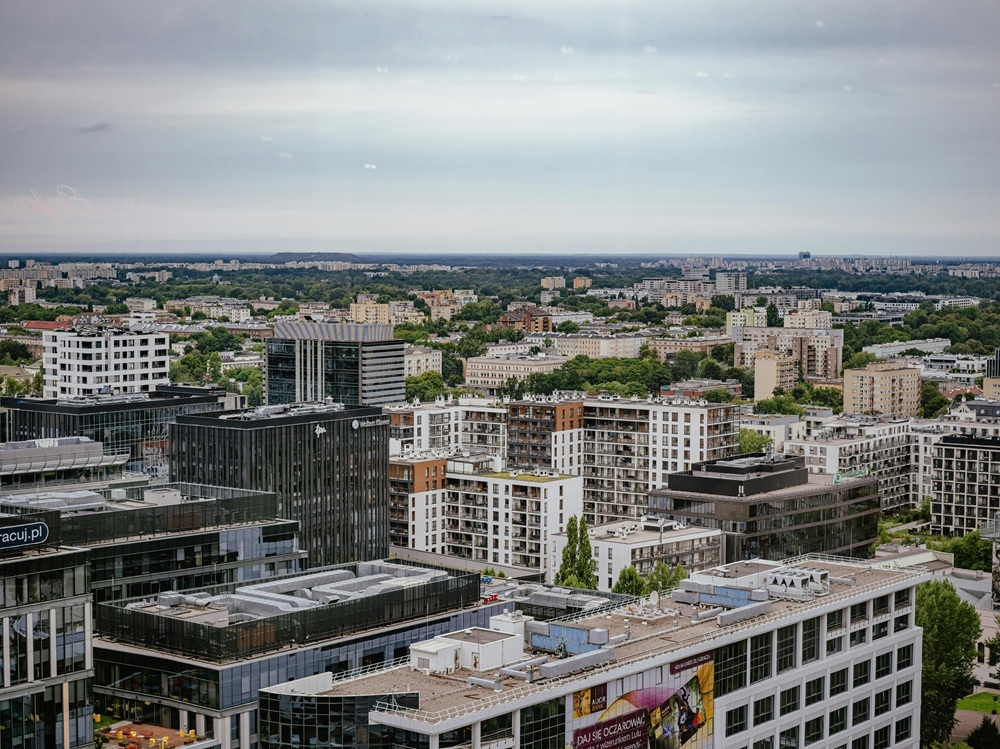 Mokotów — green, spacious and well connected, a perennial favourite with families
Where you should live depends entirely on how you live. Families gravitate to Żoliborz, Mokotów and Wilanów for green space, schools and calm. Remote workers and couples often prefer Ochota or the quieter pockets of Śródmieście for walkability and central access. Each has a distinct character, and the right choice is about daily life — not rental return.
Our district guide walks through each area for living — character, green space, transport, who it suits and where to look. Best districts to live in →
The lifestyle guide explains where living may feel right. For housing stock, transport logic, micro-location risk and acquisition fit, use our complete Warsaw district guides →
Will you rent — or buy a home here?
Many people who move to Warsaw start by renting and end up buying. The two decisions deserve different guidance.
Renting is the natural first step for most newcomers: it is flexible, fast, and lets you learn the city before committing to a district. But Warsaw's combination of stable prices, low purchase taxes on the primary market and strong long-term demand means buying a home to live in often makes sense sooner than people expect — particularly for those relocating with family or planning to stay several years.
Our advisory side guides foreign buyers through the entire purchase — legally, financially and locally, all in English. Start with the Warsaw buying process guide, or read whether foreigners can buy property in Poland.
Living in Warsaw — common questions
The questions newcomers ask most often before committing to the move.
Is Warsaw a good place to live for foreigners?
Yes. Warsaw is widely regarded as one of the more liveable large capitals in Europe for newcomers — safe, well connected, green and affordable, with a growing international community and English widely understood in the centre. Most expats report that daily life is easy to manage from the first weeks, even before learning Polish.
Do I need to speak Polish to live in Warsaw?
Not to get started. English is widely spoken in central districts, in most service settings, and across the international community. You can manage daily life — renting, shopping, transport, healthcare — in English while you learn Polish. Learning the language helps with deeper integration and with official paperwork, but it is not a barrier to settling in.
Is Warsaw cheaper than Western European cities?
Meaningfully so. Rent, groceries, eating out, transport and most services are well below the levels in London, Paris or Berlin — often materially lower depending on the category and lifestyle — while quality, infrastructure and safety remain high. Our cost-of-living guide breaks this down in detail.
Which district should I live in when I move to Warsaw?
It depends on how you live. Families tend to choose Żoliborz, Mokotów or Wilanów for green space and schools; remote workers and couples often prefer Ochota or quieter parts of Śródmieście for walkability and central access. Our guide to the best districts for daily life walks through each option.
Is healthcare good for foreigners living in Warsaw?
Yes. Warsaw has the best access in Poland to English-speaking doctors, well-developed private healthcare networks like Luxmed and Medicover, and public NFZ coverage for those employed or registered. Our healthcare guide covers costs, registration and emergency numbers in detail.
Are there good international schools in Warsaw for children?
Yes. Warsaw has an established international school sector offering British, American and IB curricula, with schools such as the American School of Warsaw and The British School Warsaw operating for decades. Our schools guide covers fees, curricula and how school location connects to district choice.
Planning a move to Warsaw?
Whether you are renting, buying or still weighing it up, we are happy to share honest, local guidance based on where and how you want to live.
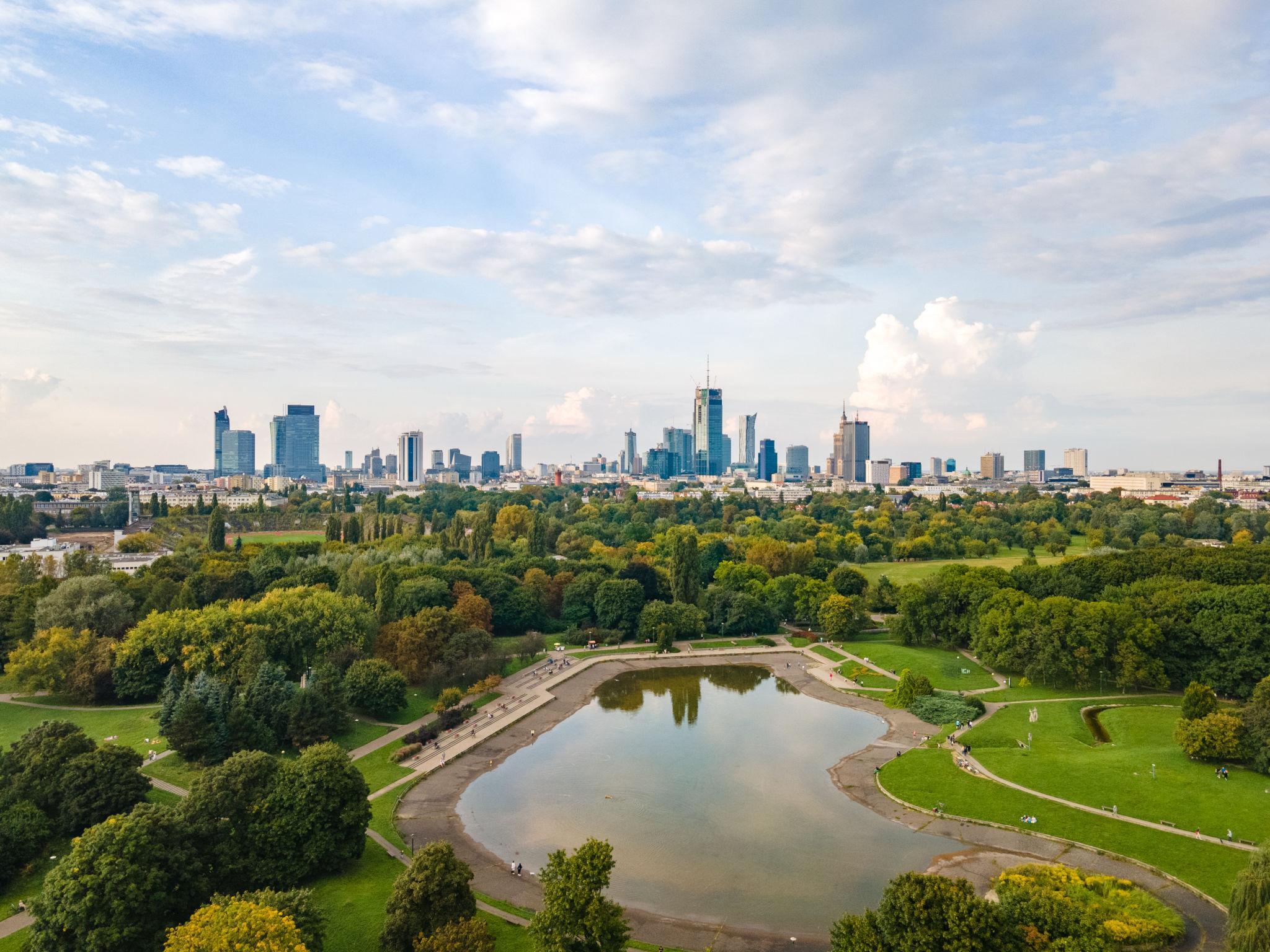
Tell us how Warsaw fits your housing plan.
If your move includes buying a home or investment property, our Warsaw-based team can help you compare districts, define the brief and coordinate the purchase in plain English.
Related guides
Moving to Poland checklist
Paperwork and practical steps in the order newcomers usually need them.
Warsaw area guides
Compare housing, transport, micro-location risk and buyer fit across Warsaw.