Warsaw Investor Care logo
Investment guide · Warsaw · Updated July 2026

Best districts in Warsaw
for property investment.

Śródmieście, Wola, Mokotów, Praga, Żoliborz, Wilanów, Ochota, Bielany, Ursynów and Targówek — verified prices, rental yields, metro access and which district matches which buyer profile. A data-driven comparison of all 10 districts, updated to July 2026.

Districts covered: 10 Warsaw districts Sources: NBP, OnGeo.pl, Viva Invest, Otodom, Global Property Guide Reading time: ~15 min

Warsaw has 18 administrative districts. This guide covers the 10 that consistently matter for a foreign buyer, investor or expat: Śródmieście, Wola, Mokotów, Żoliborz, Praga, Wilanów, Ochota, Bielany, Ursynów and Targówek. The right choice depends on what the purchase needs to do: maximise rental yield, preserve capital, capture appreciation from gentrification, or serve as a quality personal residence. No single district is best for all of these goals simultaneously.

This guide covers each district with verified pricing, yield data and an honest assessment of where each fits best — so buyers can match district to strategy rather than relying on marketing narratives.

Warsaw citywide avg. price
~18,900 PLN/m²
Q1 2026 asking-price average, all 18 districts · OnGeo.pl
NBP yield benchmark
~5.5%
NBP Warsaw cap rate, broadly stable through Q1 2026 · net ~4.0–4.2%
Best gross yield district
Praga Północ
6.5–7.5% · highest among the 10 covered here
Highest entry price district
Śródmieście
~25,300 PLN/m² average asking price, Q1 2026 · deepest market

Note on figures: prices throughout this guide are average asking prices from portal data. NBP transactional data typically runs 15–20% below asking prices, so treat every figure here as a starting point for negotiation, not a transaction price.

Framework

How to evaluate a Warsaw district before buying

Six variables consistently determine whether a district fits a given investment brief. Getting these right matters more than the district name.

Not all of Warsaw's 18 administrative districts are equally suited for investment, and the "best" district changes depending on the purchase objective. Before comparing specific locations, it is worth establishing which variables actually drive the decision — because the right district for a pure yield investor is not the same as the right district for a foreign buyer seeking personal use or long-term capital growth.

01

Metro and transport access

Proximity to metro stations is the strongest single predictor of rental demand and value stability in Warsaw. Properties within 500m of a station consistently outperform non-metro locations in the same district.

02

Yield vs capital profile

Gross yield = annual rent ÷ purchase price. The NBP Warsaw benchmark has held at approximately 5.5% through late 2025 and into Q1 2026. Districts above this figure are stronger for rental income; below it favours capital preservation strategies.

03

Tenant profile depth

Expats and corporate professionals concentrate in Wola, Mokotów and Śródmieście. Students concentrate around Ursynów (SGGW) and Bielany (UKSW). Families prefer Mokotów, Żoliborz, Wilanów, Ursynów and Bielany. Budget renters are more common in Praga and Targówek.

04

New-build supply pressure

High completions in a district suppress rents for existing stock. Wola, Wilanów and Bielany have the heaviest 2025–2026 pipeline. Śródmieście, Żoliborz and central Mokotów have the most supply-constrained environments.

05

Left bank vs right bank

The Vistula historically divides Warsaw's prestige profile. Left-bank districts (Śródmieście, Mokotów, Żoliborz, Wola, Ochota, Bielany, Ursynów) generally command higher prices. Right-bank Praga and Targówek offer lower entry and faster appreciation potential as the gap closes.

06

Infrastructure pipeline

New metro stations, office development and urban revitalisation drive medium-term price uplift. The M3 line will reshape Praga-Południe and Targówek. A planned M4/M5 network extension would eventually bring metro access to Ochota, which currently has none.

Warsaw NBP benchmark — late 2025 / Q1 2026

The National Bank of Poland's city-level capitalisation rate for Warsaw has held at approximately 5.5% through late 2025 and into Q1 2026, per the NBP quarterly real estate market report. This is the market-implied gross yield for a well-located Warsaw apartment. Management costs, insurance and vacancy typically reduce net yield by 1.3–1.5 percentage points from gross figures. NBP's Q1 2026 report also noted that, at current mortgage rates, the monthly cost of servicing a mortgage has converged with the monthly cost of renting an equivalent unit in Warsaw — a first in this cycle. Selecting a district consistently above the yield benchmark requires careful micro-location analysis — not every building in a higher-yield district delivers above-benchmark returns.

District 01

Śródmieście — Warsaw's centre

The most prestigious address, the highest entry price, the deepest market. Not primarily a yield play — a capital and liquidity asset.

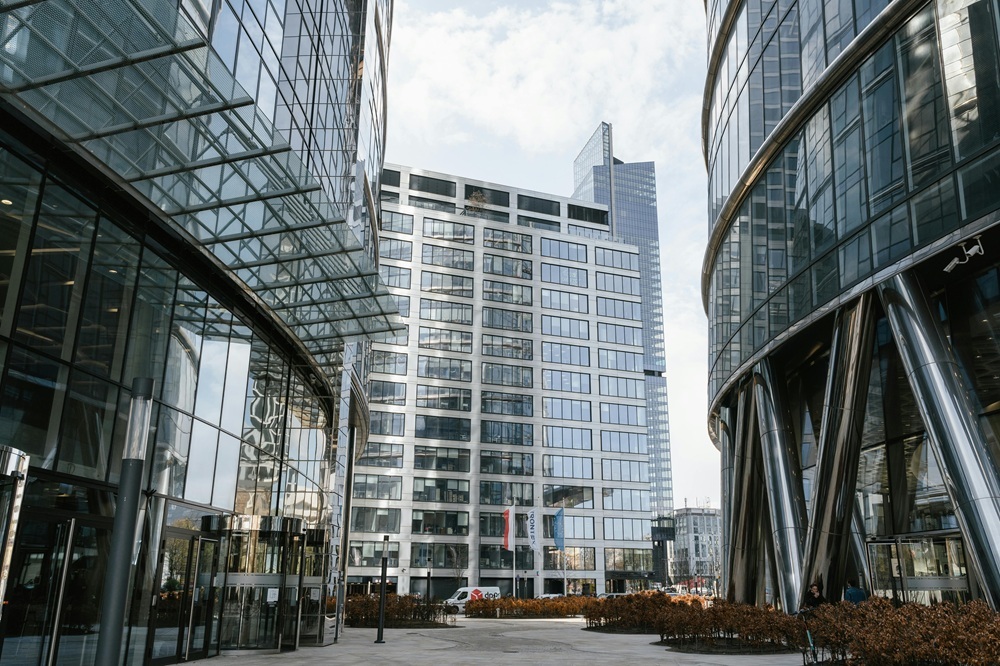
Warsaw Śródmieście city centre — premium residential and commercial skyline Śródmieście — Warsaw city centre · M1 + M2 · highest prestige
~25,300 PLN/m² Avg. asking price, Q1 2026 (OnGeo)
~5.5–5.8% Gross yield, studio units
M1 + M2 Both lines · Świętokrzyska interchange
Highest liquidity Capital preservation International tenant pool Limited new supply Luxury tier well above avg.

Śródmieście is Warsaw's city centre and its most expensive residential market by a wide margin. It is the only district served by both metro lines — M1 (north-south) and M2 (east-west) crossing at Świętokrzyska — giving it the best public transport coverage in the city. Average asking prices reached approximately 25,300 PLN/m² in Q1 2026, per OnGeo.pl's district ranking — a meaningful step up from the ~21,500 PLN/m² level seen for standard resale stock in 2025. Premium towers and riverside developments in Powiśle regularly exceed 30,000–40,000 PLN/m². Transactional prices (from signed notarial deeds) tend to run 15–20% below these asking figures, so treat the headline number as a negotiation starting point rather than a closing price.

The rental profile skews toward corporate expats, diplomats, short-stay and mid-term rentals. Gross yield on studio apartments sits at roughly 5.5–5.8% — close to or slightly below the NBP Warsaw benchmark — because purchase prices are the highest in the city. Net yield after costs is typically 3.8–4.5%. The investment case for Śródmieście is not yield-driven: it is about capital preservation and exit liquidity. Prices here have the most resilient floor because demand from residents, institutional investors (PRS funds are particularly active in central Warsaw) and international buyers is permanent. For a foreign buyer planning to sell in 5–10 years, Śródmieście carries the lowest resale risk of any Warsaw district.

Best fit for

Capital preservation, prestige owner-use, premium short-term or corporate mid-term rental. Buyers who value depth of market and ease of exit over maximising cash yield. The lowest gross yield among established districts — but the lowest resale risk and the most internationally recognisable address.

For a full analysis including Powiśle, the luxury market and due diligence on historic buildings, see our Śródmieście property guide.

District 02

Wola — Warsaw's new business district

The fastest-transformed district in Warsaw. Modern stock, corporate tenant demand and metro access — with significant supply pressure to navigate.

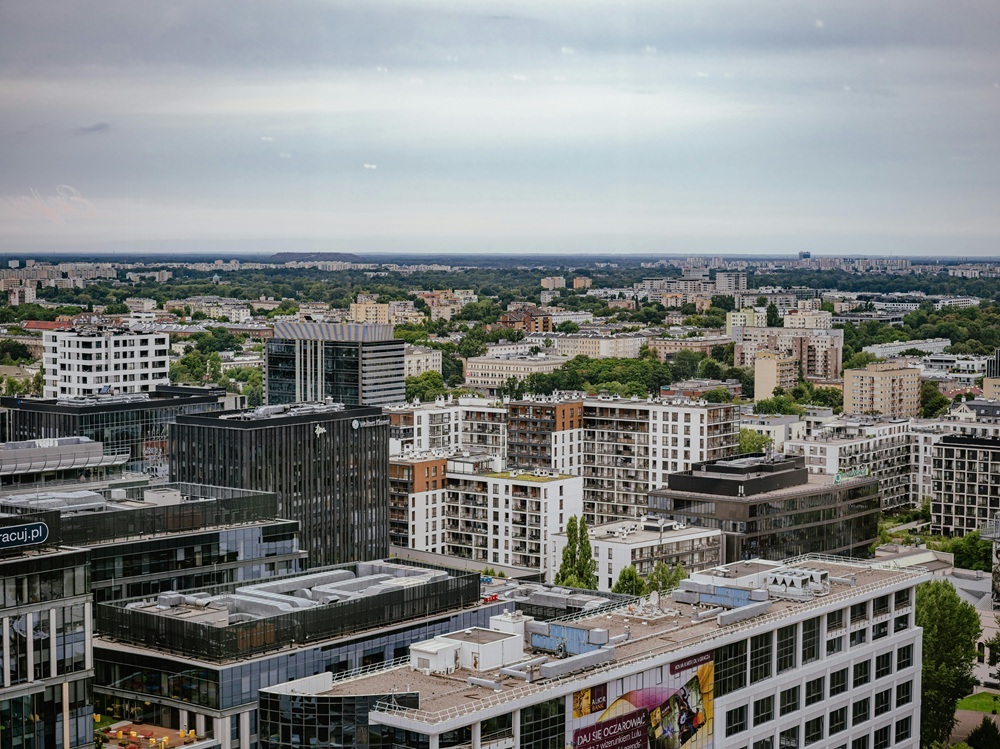
Warsaw Wola business district — Rondo Daszyńskiego towers and modern residential Wola — Rondo Daszyńskiego cluster · M2 line · 700,000 m² Class A office
~22,600 PLN/m² Avg. asking price, Q1 2026 (OnGeo) · wide east/west range
5.8–6.8% Gross yield · metro-adjacent units
M2 line 4 stations · Rondo Daszyńskiego to Płocka
Warsaw's fastest transformation New CBD cluster Young professionals 2025–26 supply pressure East/west price disparity

Wola has undergone Warsaw's most dramatic transformation over the past decade and is now the third most expensive district in the city, averaging approximately 22,600 PLN/m² in Q1 2026 (OnGeo). The area around Rondo Daszyńskiego — now Warsaw's emerging CBD — hosts over 700,000 m² of Class A office space: Varso Tower, Warsaw Spire, WeWork and dozens of multinational headquarters. Four M2 metro stations run through the district, connecting it to Śródmieście in under 5 minutes.

The district-wide average masks a wide internal range: east Wola near Rondo Daszyńskiego commands a clear premium for premium new stock, while west Wola (Płocka, Młynów, the Bemowo border) trades meaningfully lower. Gross yields of 5.8–6.8% are achievable for well-selected metro-adjacent units targeting young professionals and corporate tenants. The material risk in 2025–2026 is supply: Wola has had among the highest new-build completions of any Warsaw district, and the continuing pipeline is compressing rents — particularly for larger units and less well-positioned buildings. Buyers should focus within 400m of metro stations and stress-test yield models at 7–10% vacancy rather than the 3–5% of the pre-supply-surge period.

East Wola vs West Wola — a material distinction

East Wola (Rondo Daszyńskiego, within 800m) behaves similarly to Śródmieście in demand profile and price floor. West Wola is a different sub-market with broader supply risk. Treating Wola as a single district significantly understates this internal variation.

Full pricing, yield model and supply-pressure analysis in our Wola property guide.

District 03

Mokotów — the expat district

Warsaw's most consistently recommended starting point for foreign buyers. The strongest yield-to-stability balance of any established left-bank district.

Mokotów Warsaw — green residential streets, embassy district, Pole Mokotowskie Mokotów — Pole Mokotowskie, international schools, M1 line · 4 stations
~19,700 PLN/m² Avg. asking price, Q1 2026 (OnGeo)
~6.0–6.5% Gross yield, studio · best in mid-ring
M1 line Wilanowska, Wierzbno, Racławicka, Pole Mokotowskie
Expat favourite Embassies & int'l schools Pole Mokotowskie park Best yield/stability balance Consistent appreciation

Mokotów sits immediately south of Śródmieście and has been Warsaw's primary expat and embassy district for decades. The district contains the majority of Warsaw's foreign embassies, many international schools, the Służewiec office cluster (Warsaw's largest suburban business campus, employing tens of thousands) and 72-hectare Pole Mokotowskie park. Four M1 metro stations provide direct connection to Śródmieście in 4–8 minutes.

Average asking prices reached approximately 19,700 PLN/m² in Q1 2026 per OnGeo.pl, sitting close to Wilanów and just below Ursynów in the district ranking. In the most established pockets — Stary Mokotów, Sielce, areas adjacent to Łazienki Park — prices run meaningfully higher still. Gross yield on studio apartments is approximately 6.0–6.5% — above Śródmieście and Wola — while the tenant pool is deep, professional and consistently renewed by embassy and corporate relocation cycles. Mokotów is one of Warsaw's largest and most internally varied districts, spanning prestigious Stary Mokotów/Sielce through to the more affordable Służewiec and Imielin sub-areas — so micro-location within the district matters as much as the district choice itself.

Best fit for

Foreign buyers seeking a strong gross yield among established left-bank districts combined with an international tenant base, consistent resale demand and lower supply-cycle risk than Wola. The most consistently recommended starting point for a first Warsaw investment. Particularly suitable for 2–3 bedroom apartments targeting expat families.

Full micro-location analysis, yield models and purchase cost breakdown in our Mokotów property guide.

Warsaw administrative districts map — 18 dzielnice overview Warsaw — 18 administrative districts (dzielnice). This guide focuses on the 10 with the deepest investment relevance for foreign buyers.
District 04

Praga — the right bank

Warsaw's strongest appreciation story. Lowest entry price among the historically established districts, highest yields, widest internal quality range.

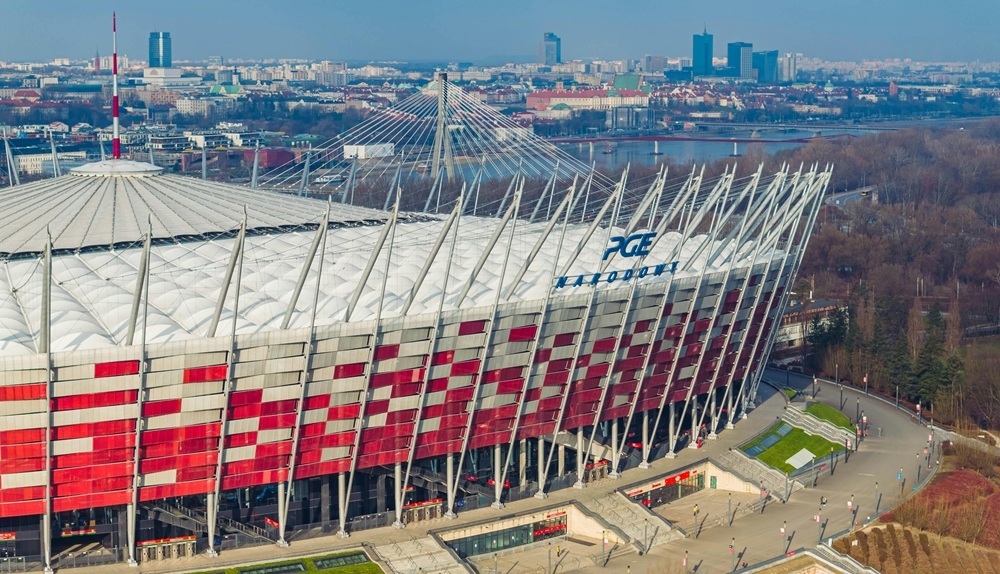
Praga district Warsaw — right bank gentrification, Koneser, pre-war architecture Praga — right-bank Warsaw · Koneser cluster · M2 access · top appreciation story
~18,400–18,700 PLN/m² Avg. asking price, Q1 2026 (OnGeo) · Północ vs Południe
6.2–7.5% Gross yield · highest among the 10 districts covered
M2 line Dworzec Wileński, Szwedzka (Północ) · Stadion Narodowy (Południe)
Strongest appreciation potential Active gentrification Lowest entry among left/right-bank core districts Koneser anchor development Saska Kępa premium pocket

Praga Północ (north) has the strongest gentrification story in Warsaw and averaged approximately 18,700 PLN/m² in Q1 2026 (OnGeo) — now roughly in line with Ochota and Praga-Południe rather than clearly cheaper, reflecting several years of sustained appreciation. The Centrum Praskie Koneser complex — a converted vodka distillery transformed into a mixed-use development with hotel, offices and restaurants — anchored the cultural transformation of the Ząbkowska street area. M2 metro access (Dworzec Wileński to Śródmieście in under 10 minutes) removed the connectivity disadvantage that historically suppressed right-bank prices.

Praga Południe (south) averaged approximately 18,350 PLN/m² in Q1 2026 and remains Warsaw's largest district by population, with a varied building stock spanning old Grochów tenements, Gocław-era blocks and new development around Kamionek. Saska Kępa — known for its Art Deco villas, tree-lined streets and strong international resident community — is the most prestigious pocket of Praga-Południe and prices there run well above the district average, closer to Mokotów levels.

The investment case for Praga rests on three structural pillars: a lower entry price than the established left-bank districts (though the gap has narrowed considerably since 2023); the highest gross yields among the districts covered here (6.2–7.5% in the best pockets); and the left-bank spillover mechanism — as Śródmieście, Wola and Mokotów prices rise, buyers who cannot afford the west bank increasingly look east for comparable metro travel time. Price appreciation in the strongest Praga micro-locations has been among the fastest of any Warsaw district over 2023–2026.

M3 metro line — planned to extend into Praga-Południe and Targówek

Warsaw's planned M3 metro line would connect Stadion Narodowy (existing M2 station) into Praga-Południe and Targówek. Districts along the planned route are already attracting developer and investor attention — replicating the pre-M2 dynamic that preceded the post-2015 Praga Północ price uplift. As with any pre-construction metro line, timelines can slip; treat the route as a medium-term catalyst rather than a near-term certainty.

Full micro-location map, gentrification track record and appreciation analysis in our Praga property guide.

Districts 05 & 06

Żoliborz & Wilanów

Two contrasting premium models: one supply-constrained and metro-connected, the other luxury new-build without metro access.

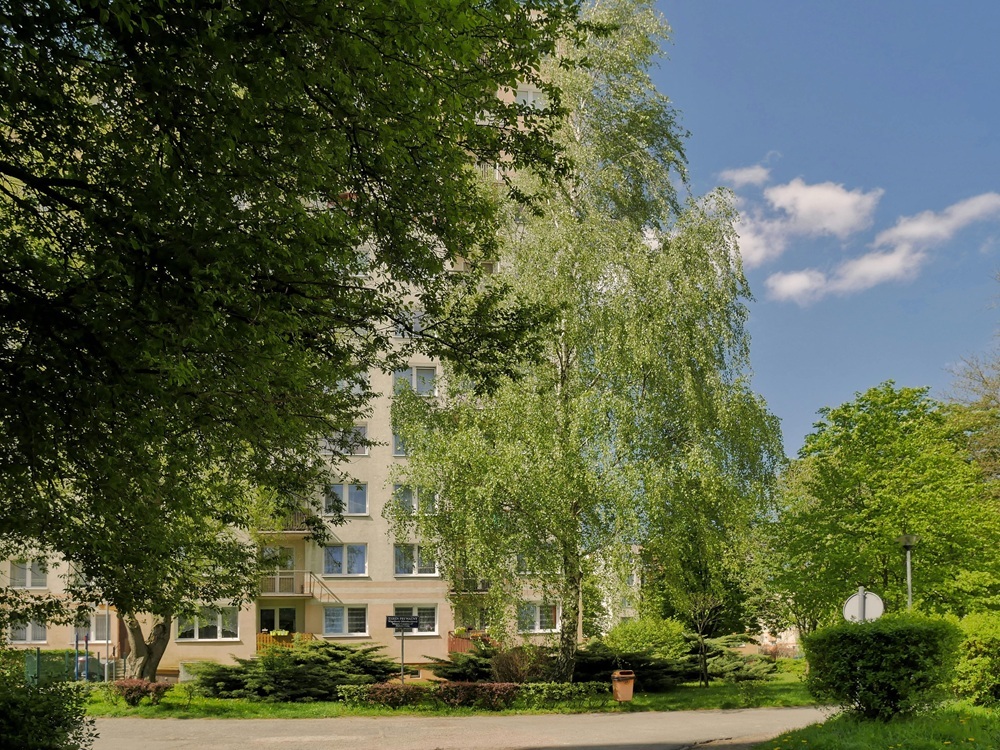
Żoliborz Warsaw — leafy established residential district, M1 metro, prewar architecture Żoliborz — M1 Plac Wilsona · established left-bank residential · constrained supply
~23,400 PLN/m² Avg. asking price, Q1 2026 (OnGeo) — 2nd most expensive district
~5.5–6.0% Gross yield, studio units near M1
M1 line Plac Wilsona, Marymont
Quiet, leafy character Families & long-term expats Constrained supply → value floor Pre-war architecture

Żoliborz — established, supply-constrained, residential

Żoliborz is an established northern district accessed by the M1 metro (Plac Wilsona station, 4 minutes to Śródmieście). It is characterised by pre-war low-rise architecture, significant green space, a strong community identity and a predominantly professional and family tenant base. Supply is the most constrained of any Warsaw investment district — the area is largely built out with limited new development land — and this scarcity has pushed Żoliborz to Warsaw's second-highest average price at roughly 23,400 PLN/m² in Q1 2026, overtaking Wola and now trailing only Śródmieście.

Because prices have risen faster than rents in recent years, gross yields have compressed to approximately 5.5–6.0% for studios near the metro — noticeably below where Żoliborz stood a few years ago relative to Mokotów. The market is smaller and transaction volumes are lower than Mokotów or Wola, which means slightly less liquidity at resale but also less supply competition at re-letting. For foreign buyers prioritising lifestyle quality, a quieter community feel and long-term capital stability over maximum yield, Żoliborz remains a compelling choice — just a less yield-driven one than in the past.

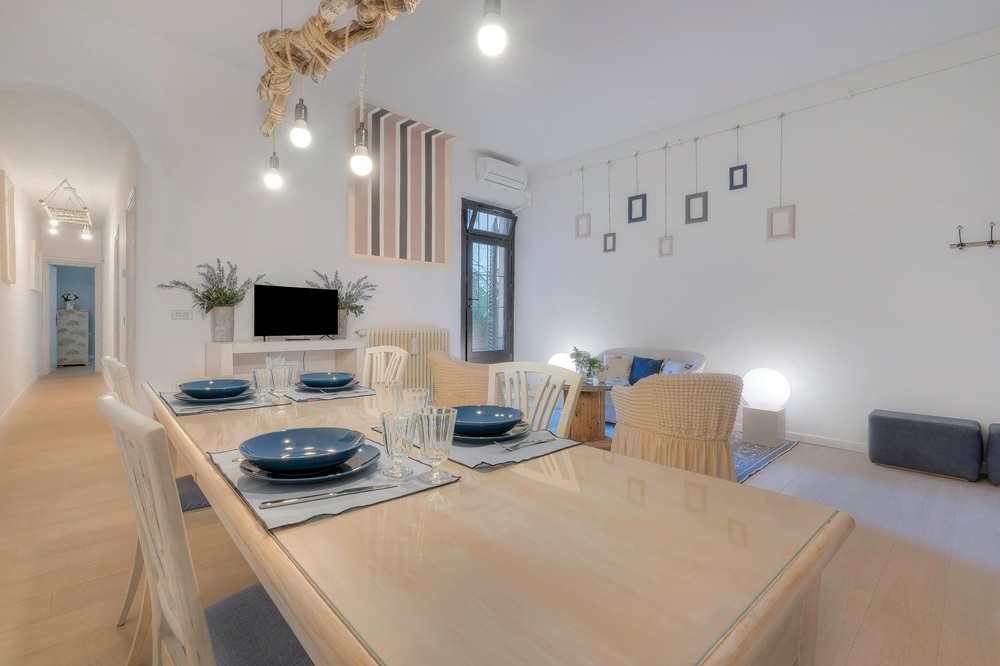
Warsaw residential apartment — investment ready property in established district Warsaw established residential market — the right asset in the right district

Wilanów — luxury new-builds, no metro (for now)

Wilanów is Warsaw's luxury new-build suburb in the south-east, centred on "Miasteczko Wilanów" and the historic Wilanów Palace. Average asking prices reached approximately 19,800 PLN/m² in Q1 2026 — close to Mokotów — reflecting the high concentration of premium residential completions in recent years.

The critical constraint for Wilanów as a rental investment is the absence of metro access. The district relies on trams and buses, meaning commute times to the centre are significantly longer than for M1 or M2-connected districts. This structurally limits the tenant pool to buyers and renters who prioritise space, green surroundings and a suburban lifestyle over commute efficiency — which translates to lower demand depth and gross yields at the bottom of the range covered here (4.5–5.5%). Wilanów suits buyers seeking a luxury family residence, not pure rental return. Warsaw's long-range metro masterplan includes eventual access for Wilanów, but no confirmed construction timeline exists as of mid-2026 — this would change the calculus materially if built, but should not be underwritten into a current purchase decision.

Wilanów — key investor consideration

Wilanów offers high-specification new-build stock in a green, low-density environment with excellent infrastructure. It is the right choice for luxury owner-use buyers. It is a less compelling rental investment than any metro-connected district until public transport connectivity improves meaningfully.

Districts 07–10

Ochota, Bielany, Ursynów & Targówek

Four districts that round out a complete Warsaw picture: a central alternative without metro, a green family district, Warsaw's largest full-metro residential district, and the city's best-value metro-connected entry point.

Ochota — central location, no metro (yet)

Ochota borders Śródmieście, Mokotów and Wola directly, making it geographically one of the most central districts in Warsaw despite currently having no metro station within the district — the nearest, Rondo Daszyńskiego (M2), sits just across the Wola border, a 5–10 minute walk from much of eastern Ochota. In its place, Ochota is served by the Warszawa Ochota SKM/WKD rail station, dense tram coverage and proximity to Warszawa Zachodnia, the city's second-largest rail hub. Average asking prices reached approximately 18,500 PLN/m² in Q1 2026, positioning Ochota as a genuine mid-market alternative to Śródmieście at a meaningful discount. The district is one of Warsaw's most densely populated, mixing PRL-era blocks with pre-war tenements and a growing stock of new-build. Two future metro lines (M4 and M5) are in Warsaw's long-range masterplan and would route through Ochota, but neither has a confirmed construction start as of mid-2026 — this is a multi-decade infrastructure story, not a near-term catalyst. Gross yields sit at approximately 5.5–6.2%, reflecting solid but not exceptional rental demand from young professionals and students given the tram/rail-only connectivity.

Bielany — green, family-oriented, M1-connected

Bielany occupies the north-west of the left bank and is defined by its green space — the Bielański Forest nature reserve sits directly within the district — alongside a mix of wielka płyta blocks, tenements and newer development. The M1 line runs through Stare Bielany, giving direct metro access to the centre. Average asking prices were approximately 18,350 PLN/m² in Q1 2026, just below Praga-Południe and close to the citywide average, though new-build stock specifically trades meaningfully higher (low-to-mid 20,000s PLN/m² for recent completions). Bielany is popular with families seeking a quieter, greener alternative to Żoliborz at a lower entry price, with UKSW (Cardinal Stefan Wyszyński University) contributing a steady student rental segment near campus. Gross yields run approximately 6.0–6.6%, among the stronger figures for a fully metro-connected district.

Ursynów — Warsaw's largest full-metro residential district

Ursynów is a large, purpose-built residential district in southern Warsaw, developed mainly from the 1980s onward and now home to one of the city's largest populations. The entire M1 line runs the length of the district, giving Ursynów the deepest metro coverage of any residential-dominant area in Warsaw outside the very centre. Average asking prices reached approximately 20,200 PLN/m² in Q1 2026 — the fourth most expensive district in the city and now priced above Wilanów and Mokotów. SGGW (Warsaw University of Life Sciences) and a large resident student population support a deep, reliable rental market around Kabaty and the university campus, alongside strong family demand thanks to extensive green space (Kabaty Woods, Las Kabacki nature reserve) and mature social infrastructure. Gross yields sit at approximately 6.0–6.8%, a strong balance of yield and stability comparable to Mokotów but at a generally more affordable entry point for larger units away from the most central metro stations.

Targówek — the best-value metro-connected entry point

Targówek sits on the right bank north-east of Praga, and is consistently identified in current market commentary as offering the strongest ratio of price to metro accessibility in Warsaw. The M2 line's eastern extension reaches Targówek via the Trocka station, putting the district within a direct, roughly 15-minute ride of Wola and the centre. Average asking prices were approximately 14,900 PLN/m² in Q1 2026 — among the lowest of any metro-connected district in the city, and roughly 40% below Śródmieście. Building stock is dominated by 1970s–80s blocks with large floorplates at low per-square-metre prices, which particularly favours buyers targeting larger family units for long-term rental. Gross yields are the highest of the 10 districts in this guide alongside Praga Północ, at approximately 6.5–7.2%, reflecting the combination of low entry price and genuine metro access.

Ochota vs Targówek — the connectivity trade-off

Ochota and Targówek illustrate opposite sides of the same trade-off. Ochota sits closer to the centre geographically but has no metro station of its own today; Targówek is further out but has direct metro access via M2. In practice, Targówek's metro-adjacent stock currently rents and holds value more reliably than Ochota's non-metro stock — a reminder that proximity on a map matters less than proximity to a station.

Side by side

District comparison — key figures, Q1 2026

All 10 Warsaw investment districts covered in this guide, side by side. Prices, yields, metro access and best-fit profile for each.

District Avg. asking price (PLN/m²) Gross yield (indicative) Metro access Best fit
Śródmieście ~25,300 PLN/m² ~5.5–5.8% M1 + M2 (Świętokrzyska) Capital preservation, liquidity, prestige owner-use
Żoliborz ~23,400 PLN/m² ~5.5–6.0% M1 · Plac Wilsona Families, long-term expats, constrained supply, quieter residential
Wola ~22,600 PLN/m² 5.8–6.8% M2 · 4 stations New-build rental, corporate tenants, yield + modern stock (mind east/west split)
Ursynów ~20,200 PLN/m² 6.0–6.8% M1 · full line through district Families & students, deepest metro coverage of any residential district
Wilanów ~19,800 PLN/m² 4.5–5.5% No metro (tram/bus only) Luxury family residence · owner-use · not a pure yield investment
Mokotów ~19,700 PLN/m² 6.0–6.5% M1 · 4 stations Best yield/stability balance · expat families · first investment
Praga Północ ~18,700 PLN/m² 6.5–7.5% M2 · Dworzec Wileński, Szwedzka Strongest appreciation momentum · highest yield · Koneser cluster
Ochota ~18,500 PLN/m² 5.5–6.2% No metro yet (tram/rail; M2 a short walk at border) Central alternative to Śródmieście at a discount, no metro premium priced in
Praga Południe (incl. Saska Kępa) ~18,350 PLN/m² 5.0–7.2% M2 · Stadion Narodowy Lower entry, appreciation play, M3 pipeline benefit; Saska Kępa is a premium sub-market
Bielany ~18,350 PLN/m² 6.0–6.6% M1 · Stare Bielany Green family district, lower entry than Żoliborz, growing student segment (UKSW)
Targówek ~14,900 PLN/m² 6.5–7.2% M2 · Trocka Best price-to-metro-access ratio in Warsaw · large family units, long-term rental

Sources: OnGeo.pl district price ranking, Q1 2026 (average asking prices, primary and secondary market combined) · NBP quarterly real estate market report (citywide cap-rate benchmark) · Viva Invest and Otodom portal data for cross-checks. Gross yields are indicative for studios and 1-bedroom units in well-positioned buildings near metro; ranges reflect the spread between weaker and stronger micro-locations within each district, not a single citywide average. Net yields are approximately 1.3–1.5 pp lower after management fees, insurance, maintenance and normalised vacancy. Asking prices typically run 15–20% above eventual transaction prices per NBP methodology notes — treat every figure as a starting point, not a closing price.

The one rule that applies across every district

In Warsaw, metro access within 500 metres is the single most reliable predictor of rental demand stability and resale liquidity. Every district in this table contains sub-areas with and without metro proximity — the performance gap between metro-adjacent and non-metro properties within the same district can be as significant as the gap between different districts entirely. Ochota and Wilanów are the clearest examples among the 10 districts here: both are otherwise desirable, but the absence of a metro station inside district boundaries measurably caps their yield potential relative to metro-connected peers at similar price points.

Matching district to goal

Which district fits which buyer profile?

The right district depends on what the purchase needs to do. These profiles cover the most common scenarios for foreign buyers entering Warsaw across all 10 districts in this guide.

📈

Rental yield maximiser

Praga Północ or Targówek for Warsaw's highest gross yields (6.5–7.5%) at the lowest entry prices among metro-connected districts. Ursynów or Mokotów for a strong yield with more established, lower-volatility demand. In all cases: focus on units within 400m of metro. Avoid Wilanów and Ochota for this objective while both remain without metro access.

🏦

Capital preservation, easy exit

Śródmieście or east Wola near Rondo Daszyńskiego. The deepest markets, highest institutional demand (PRS funds particularly active), fastest resale. Accept lower gross yields in exchange for the most liquid market and the strongest resale floor in Warsaw.

🚀

Appreciation play, longer horizon

Praga Północ (strongest gentrification momentum, Koneser cluster) or Targówek near the planned M3 extension. Lower entry, highest upside. Best suited for buyers with a 5–10 year horizon comfortable with a wider range of outcomes.

🏠

Personal use, expat family

Mokotów (international schools, green space, embassy cluster, M1 metro), Żoliborz (quieter community feel, M1 metro, constrained supply) or Bielany (greener, more affordable than Żoliborz, still M1-connected). All three have strong track records for accommodating international residents long-term.

🏙

Luxury new-build, own use

Wilanów (Miasteczko Wilanów, high-specification stock, suburban character, Wilanów Palace proximity) or Śródmieście premium towers for buyers prioritising product quality and central address. Accept limited metro access in Wilanów; accept lower yield in Śródmieście.

🎓

Student / long-term rental, budget-conscious

Ursynów (SGGW campus, full M1 coverage) or Bielany (UKSW campus, M1-connected) for reliable student demand with metro access. Targówek for the lowest entry price with genuine metro connectivity, particularly for larger family-sized units let long-term.

💼

First Warsaw investment, balanced brief

Mokotów remains the most consistently recommended starting point for foreign buyers new to Warsaw: a strong yield (~6.0–6.5%), stable tenant demand, multiple M1 metro stations, international community and proven long-term appreciation. Ursynów is a close second for buyers wanting similar fundamentals at a somewhat lower entry price.

🏗

Central address without Śródmieście pricing

Ochota — directly bordering Śródmieście, Mokotów and Wola, at roughly a 7,000 PLN/m² discount to central Śródmieście prices. The absence of a metro station is the trade-off; buyers comfortable with tram and rail connectivity gain genuine central-Warsaw positioning at a meaningfully lower entry price.

Not sure which district fits your brief?

Warsaw Investor Care helps foreign buyers evaluate districts, compare specific properties and structure the purchase from brief to handover — covering sourcing, legal coordination, negotiation, finishing and rental management.

District selection & micro-location analysis
Property sourcing & negotiation
Legal & tax coordination
Renovation & rental management

Full district guides & related reading

Mokotów Property Guide

Full pricing, micro-location map, yield models, purchase costs and investment case for Warsaw's strongest established district.

Wola Property Guide

Rondo Daszyńskiego analysis, supply pressure context, yield modelling and micro-location filtering for Warsaw's fastest-changing district.

Śródmieście Property Guide

Capital preservation case, luxury tier, Powiśle analysis and due diligence on historic buildings in central Warsaw.

Praga Property Guide

Gentrification track record, Koneser cluster, Saska Kępa positioning, appreciation data and street-level micro-location analysis.

Bielany Property Guide

Green family district analysis — Bielański Forest, UKSW student demand, M1 access and new-build pricing.

Ursynów Property Guide

Full M1 coverage, SGGW student market, Kabaty green belt and family-district yield modelling.

Targówek Property Guide

Warsaw's best price-to-metro-access ratio — M2 Trocka access, large-unit economics and the M3 pipeline case.

Can Foreigners Buy in Poland?

Legal rules, permit requirements, full cost breakdown and step-by-step process for EU and non-EU buyers.

Total Cost of Buying in Warsaw

Every cost itemised across primary and secondary market purchases — PCC, notary, agent fees, renovation and running costs.

© 2026 Warsaw Investor Care. All rights reserved.

This guide is for informational purposes only and does not constitute financial, tax or investment advice. All prices, yields and market data are indicative, sourced from publicly available reports including NBP quarterly data and OnGeo.pl district analysis current to Q1 2026, and may not reflect any specific property or transaction. Asking prices typically differ from transaction prices; verify all market data independently, ideally against notarial transaction records, before making any investment decision.