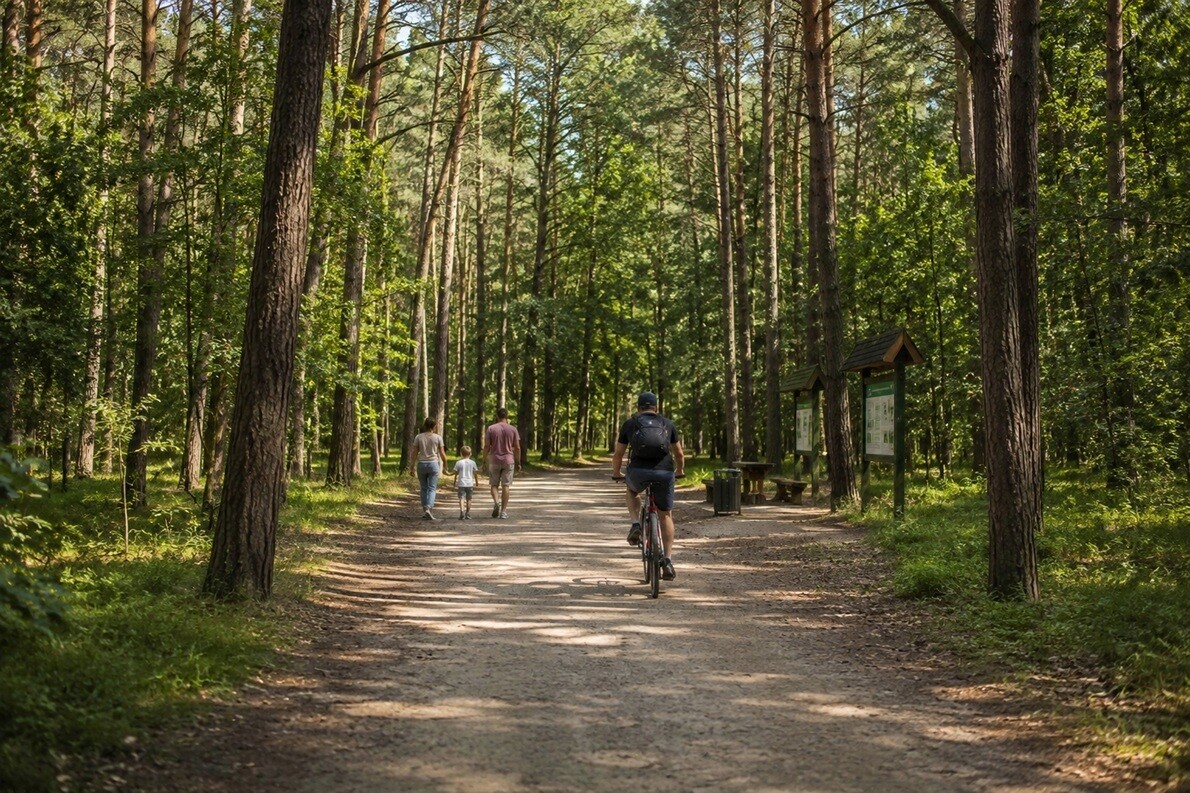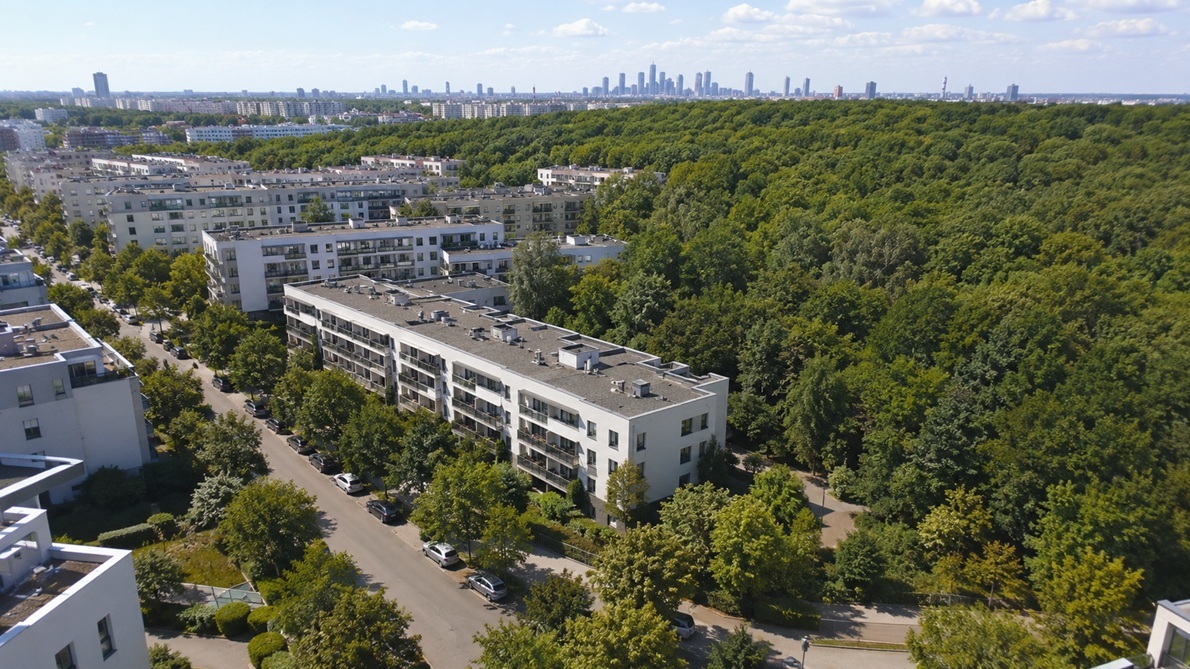
Bielany's core asset is space — both the literal green kind and the more subtle kind that shows up as lower density, wider streets and a slower pace than Warsaw's central districts. Bielański Forest and Młociński Forest together form one of the largest contiguous green complexes inside the city's administrative boundary, bordering residential streets directly rather than sitting at the edge of the district. That combination of forest-adjacent living with a direct metro line to the centre is genuinely rare in Warsaw at Bielany's price point.
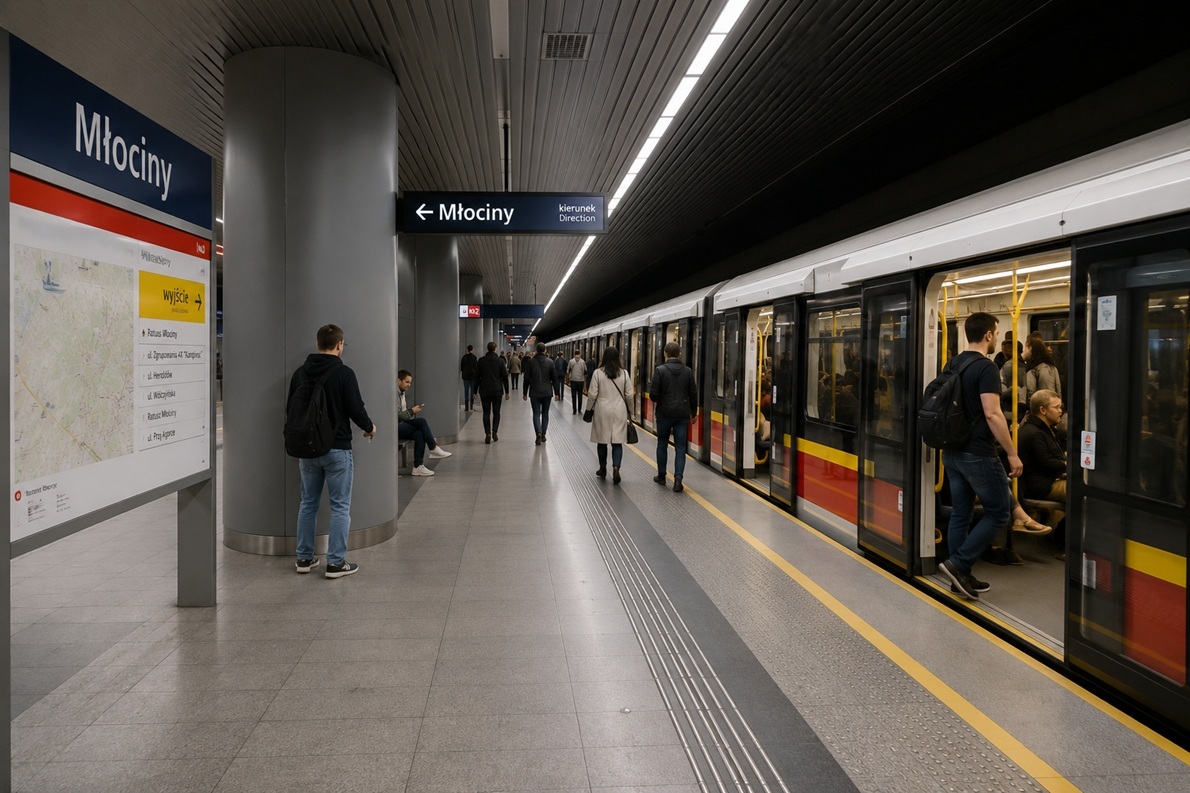
Metro line M1 runs through the district with four stations, giving a direct, no-transfer commute to the centre in roughly 15–20 minutes from the furthest station. For tenants who prioritise a fast, predictable commute over office-district proximity, that's a strong pitch — and one that doesn't rely on any single employer or office cluster the way Wola's story does.
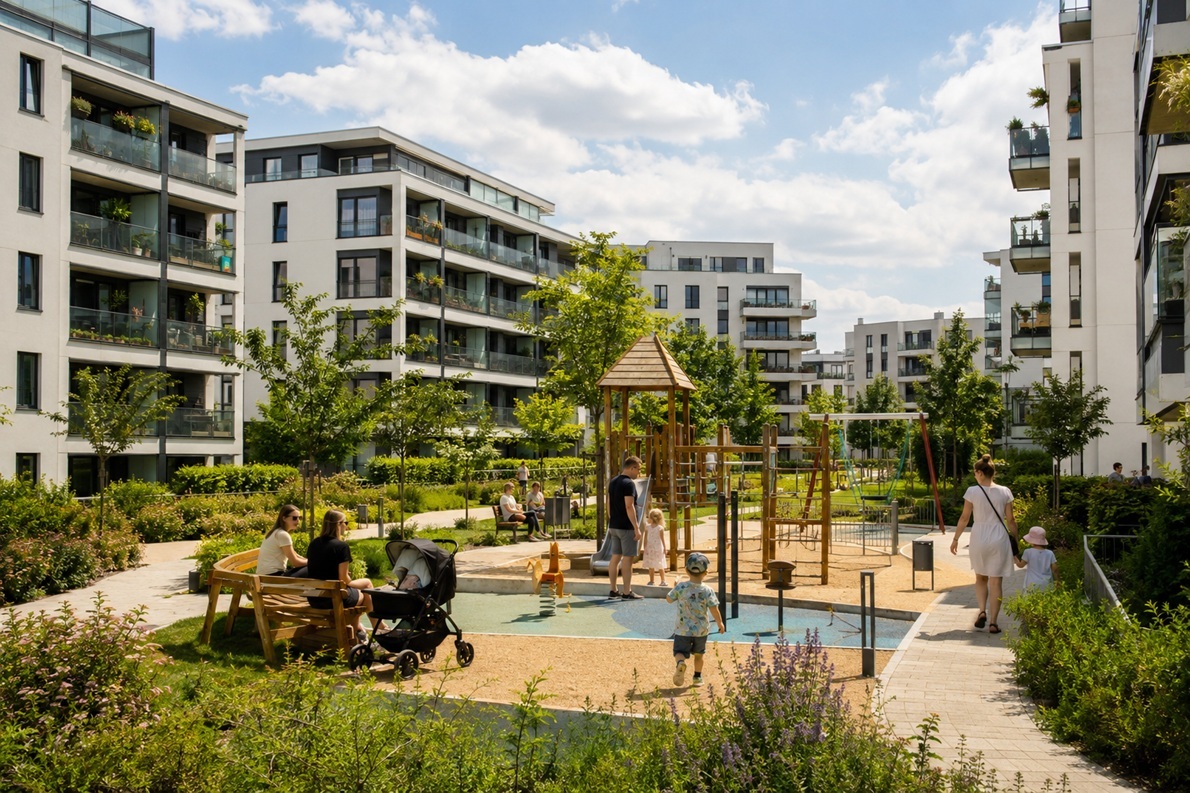
The demand base is structurally different from an office-district play. Cardinal Stefan Wyszyński University (UKSW), based in Bielany, anchors consistent rental demand from students and academic staff, largely insulated from the corporate relocation cycles that drive — and occasionally destabilise — rental demand in Wola or Mokotów. Layered on top is a steady base of young professionals and families who choose Bielany specifically for the green space and calmer character, at a price meaningfully below Żoliborz.
The trade-off is variability within the district. Bielany's new-build pipeline — 281 listings across 8 projects as of July 2026, per RynekPierwotny.pl — is concentrated in specific pockets: Wawrzyszew, Huta, Marymont-Kaskada, while other neighbourhoods, particularly Chomiczówka and Piaski, remain dominated by older, less differentiated stock. That means the district-wide average understates the gap between its best and weakest micro-locations more than in more uniform districts.
One of Warsaw's largest urban forest complexes
Bielański Forest and Młociński Forest border residential streets directly — a differentiator few other metro-served districts can offer at this price.
UKSW-anchored, not office-cycle dependent
Rental demand is split between students/academic staff and young professionals — a more diversified, lower-volatility tenant base than pure office-district plays.
Below Żoliborz, at Wola-comparable levels
District-wide pricing sits close to Wola's average while offering a materially different, greener, more residential character.