


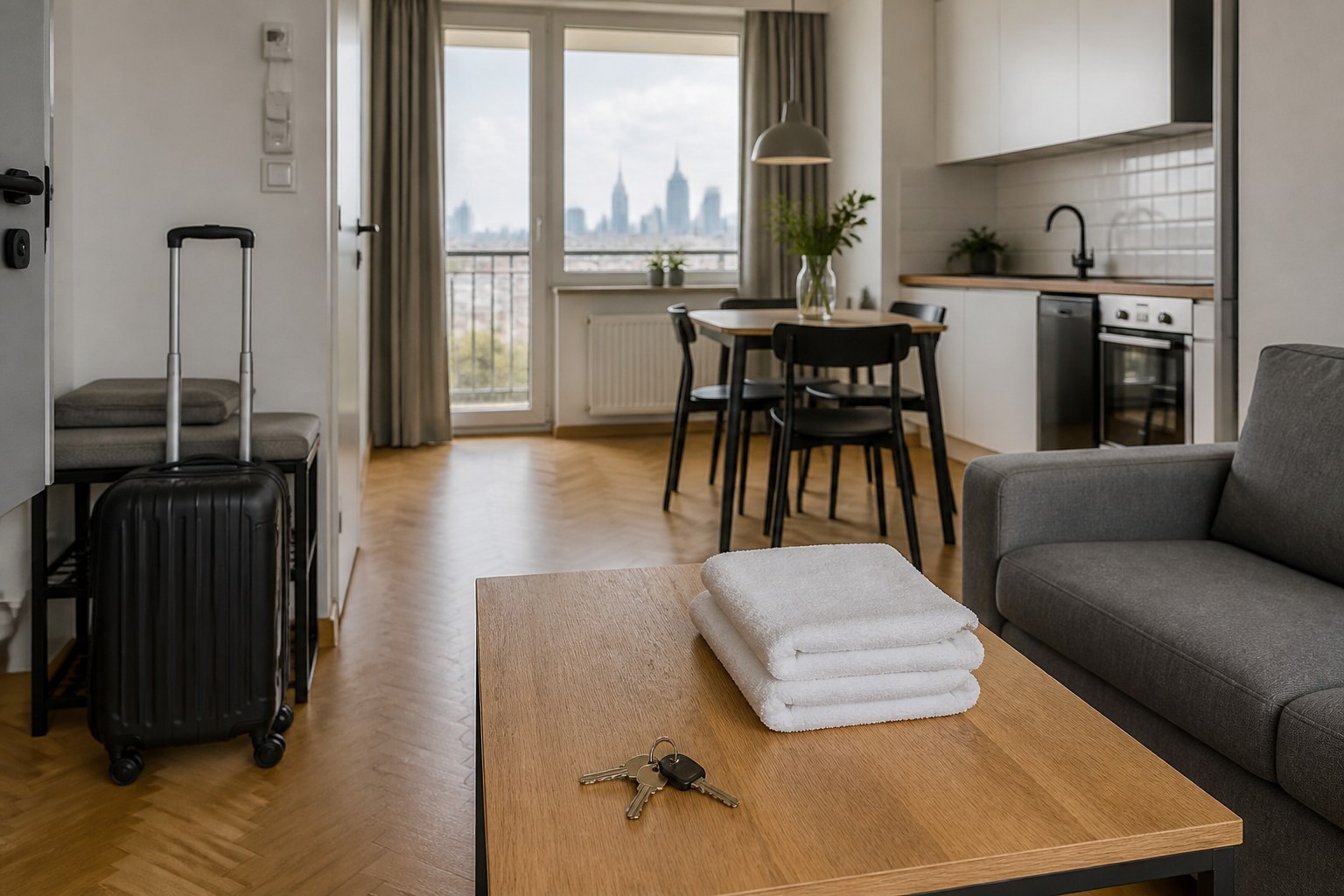
Short-term rental regulations in Warsaw — what owners need to know in 2026
A practical guide to the rules that apply now, Warsaw’s existing accommodation register, the EU data framework and the Polish reform that is still only a bill.
Short stays are not a legal vacuum — but the announced central register is not law yet
Poland’s current Hotel Services Act already treats the short-term, generally available letting of houses, apartments, rooms and bed spaces as hotel services. Warsaw keeps an existing register for “other facilities” providing those services, which can include apartments.
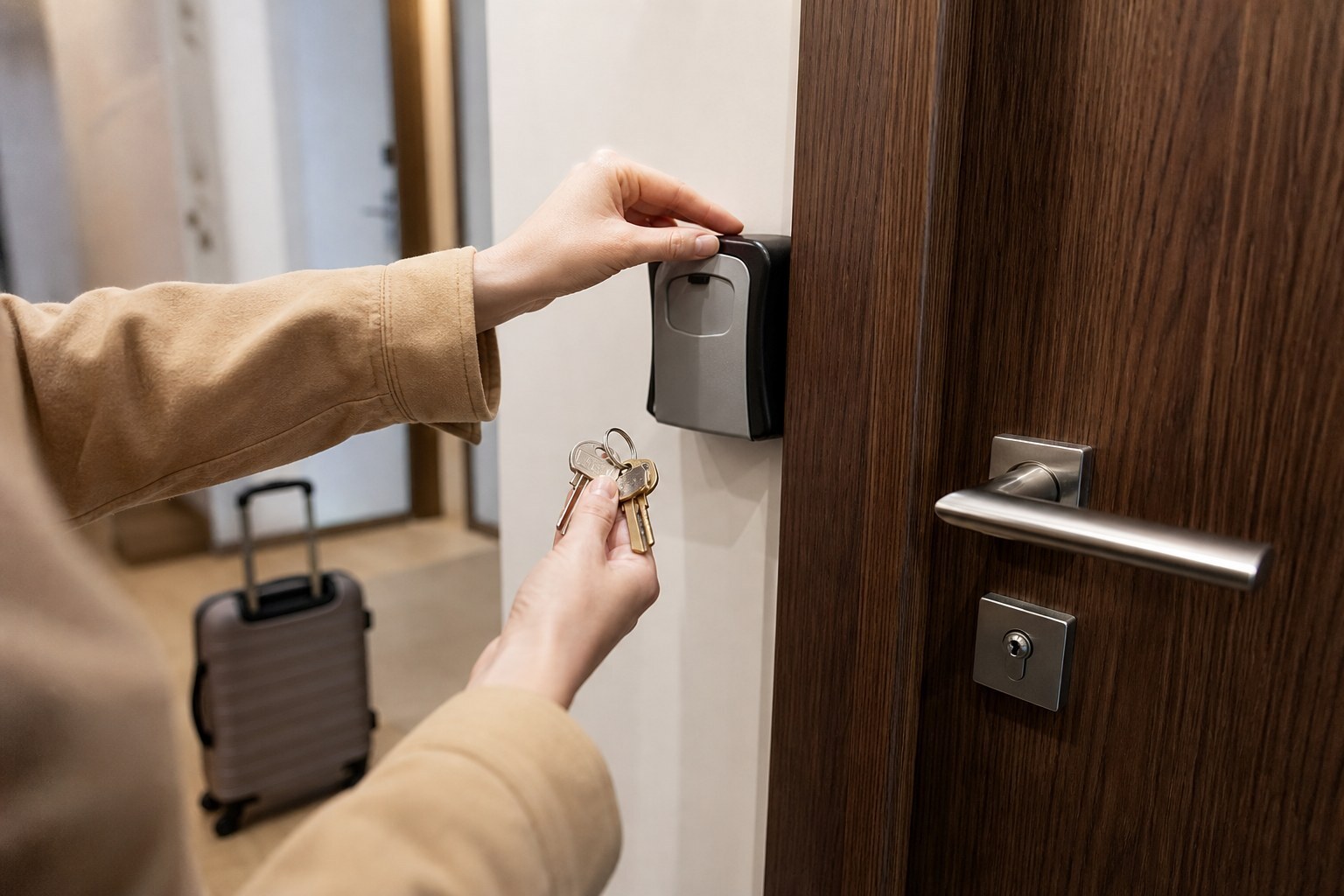 A smooth guest arrival is the visible end of a compliant operating process.
The EU data-sharing regulation has applied since 20 May 2026. Separately, the Polish government’s CWTON reform reached the Sejm as print no. 2865, but the official legislative record still shows it as an unpassed bill. Treating its proposed 30-day definition and central registration number as already binding would be incorrect.
Polish hotel-services rules
Short-term, generally available accommodation falls within the current statutory concept of hotel services.
Warsaw local register
Warsaw records “other facilities” providing hotel services; the city procedure expressly gives apartments as an example.
EU data framework
Regulation (EU) 2024/1028 governs registration-data and platform-data arrangements where relevant procedures exist.
CWTON and the 30-day rule
These are central elements of government bill 2865. They should be presented as proposed law, not today’s completed system.
Check whether the apartment must enter the city register
Warsaw’s official 19115 procedure describes “other facilities” as properties that are not classified hotels, motels, guesthouses and similar named hotel types. It says they may include rooms, apartments and tourist cottages.
 The operating model should be classified before the first booking, not after a complaint or inspection.
What the current Act requires
Before an entrepreneur or farmer starts hotel services in an “other facility”, the facility is reported to the register kept by the mayor or city president. The premises must meet the applicable minimum equipment as well as sanitary, fire-safety and other separate-law requirements.
What the Warsaw procedure asks you to do
Use the current city form and attach the documents required for the actual applicant and property. The city publishes the register through its BIP and may verify whether the declared facility satisfies the applicable standards.
The EU rule is about reliable registration and platform data
Regulation (EU) 2024/1028 applies directly from 20 May 2026. Its purpose is to standardise data collection and sharing between platforms and competent authorities where a Member State operates relevant registration procedures.
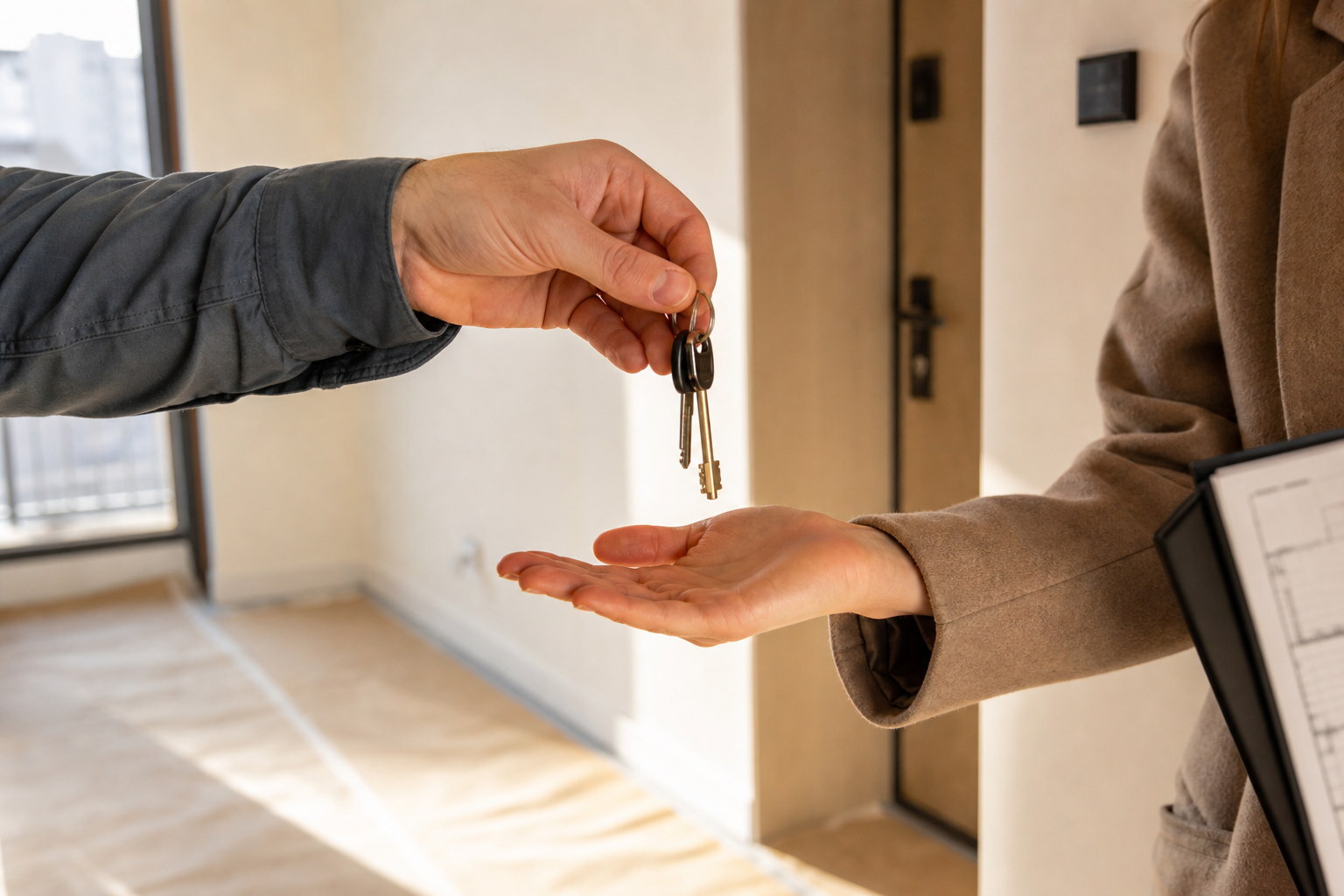 Platform convenience does not replace registration, building or safety compliance.
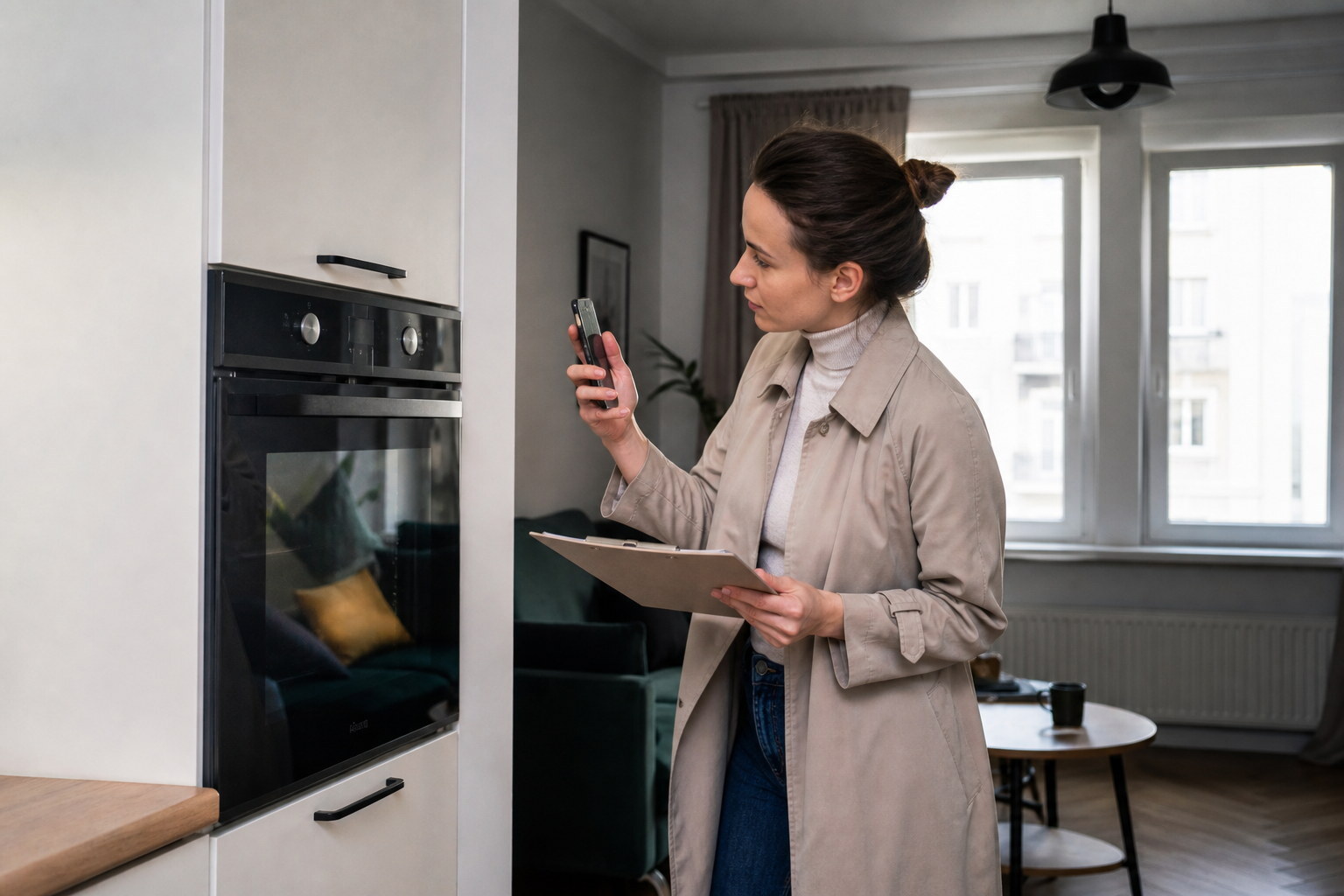 Keep a controlled record of the unit, operator and supporting documents.
What it does
It defines a framework for registration procedures, unique registration numbers, verification by platforms and regular sharing of activity data. Platforms covered by the rules must design their interfaces and data flows accordingly.
What it does not do
It does not itself impose one EU-wide night cap, create a Warsaw licensing ban or settle Polish income tax, VAT, planning and building-use questions. National and local law continue to govern those areas.
CWTON is important — and still a bill
The Council of Ministers adopted the government proposal on 14 July 2026. It reached the Sejm on 21 July as print no. 2865 and was referred for first reading on 29 July. The official API still marks it “passed: false”.
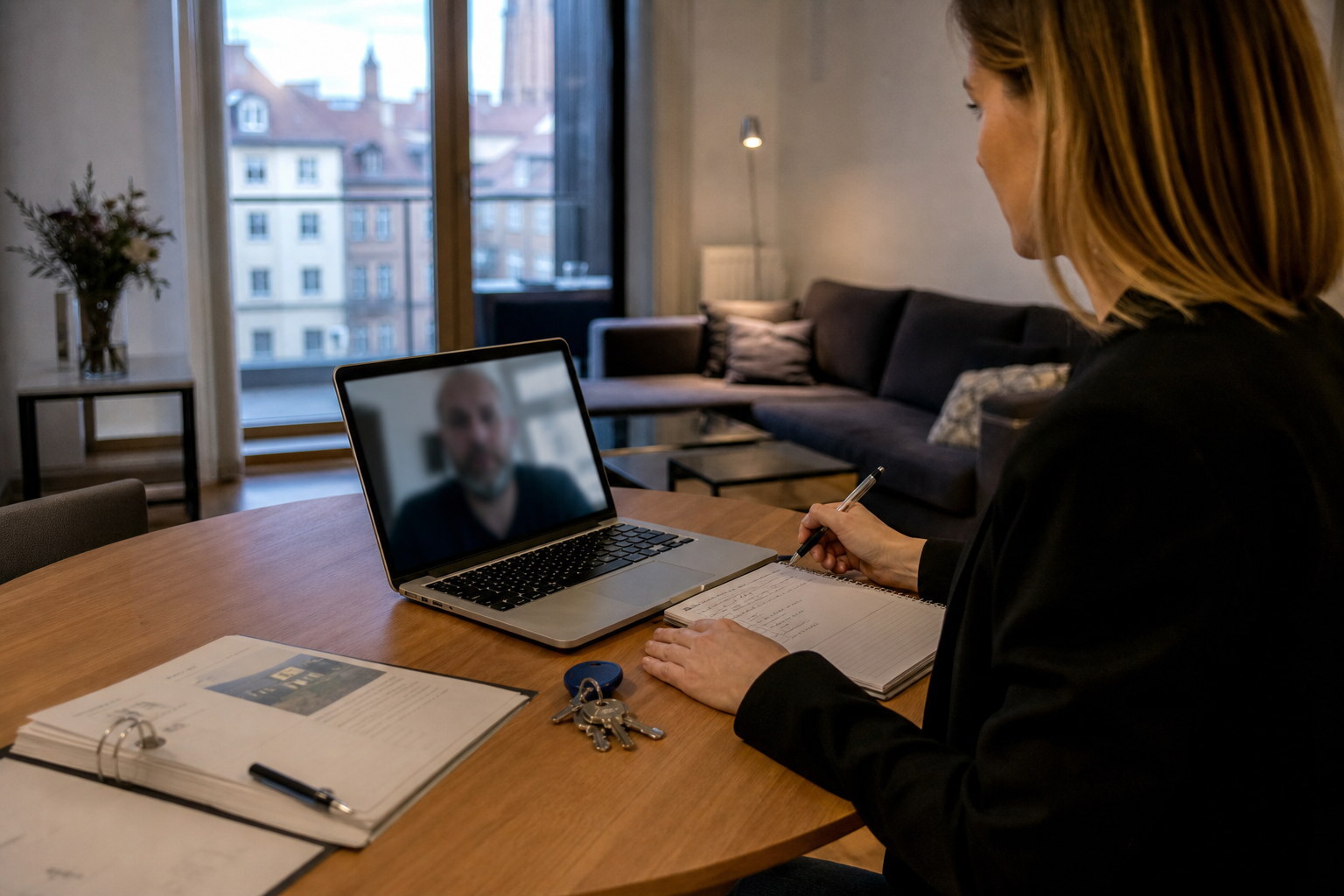 Remote owners need a process that can be updated when the final Polish reform is enacted.
Proposed definition
The bill would expressly connect short-term rental with a service lasting no more than 30 days. Until enacted, that proposed threshold should not be presented as the final current definition.
Proposed central register
The bill would establish the Central Register of Tourist Accommodation Facilities (CWTON) and a registration-number framework connected to online listings.
Possible later local controls
Public descriptions of the reform include stronger supervision and tools for municipalities. The final scope, dates and transition rules must be read from the enacted text, not a press headline.
A housing community cannot simply rewrite ownership rights
The Supreme Court held in case IV CSKP 20/21 that a housing community cannot impose a blanket ban on owners using residential units for short-term rental. That does not give a host permission to create nuisance or ignore common-property rules.
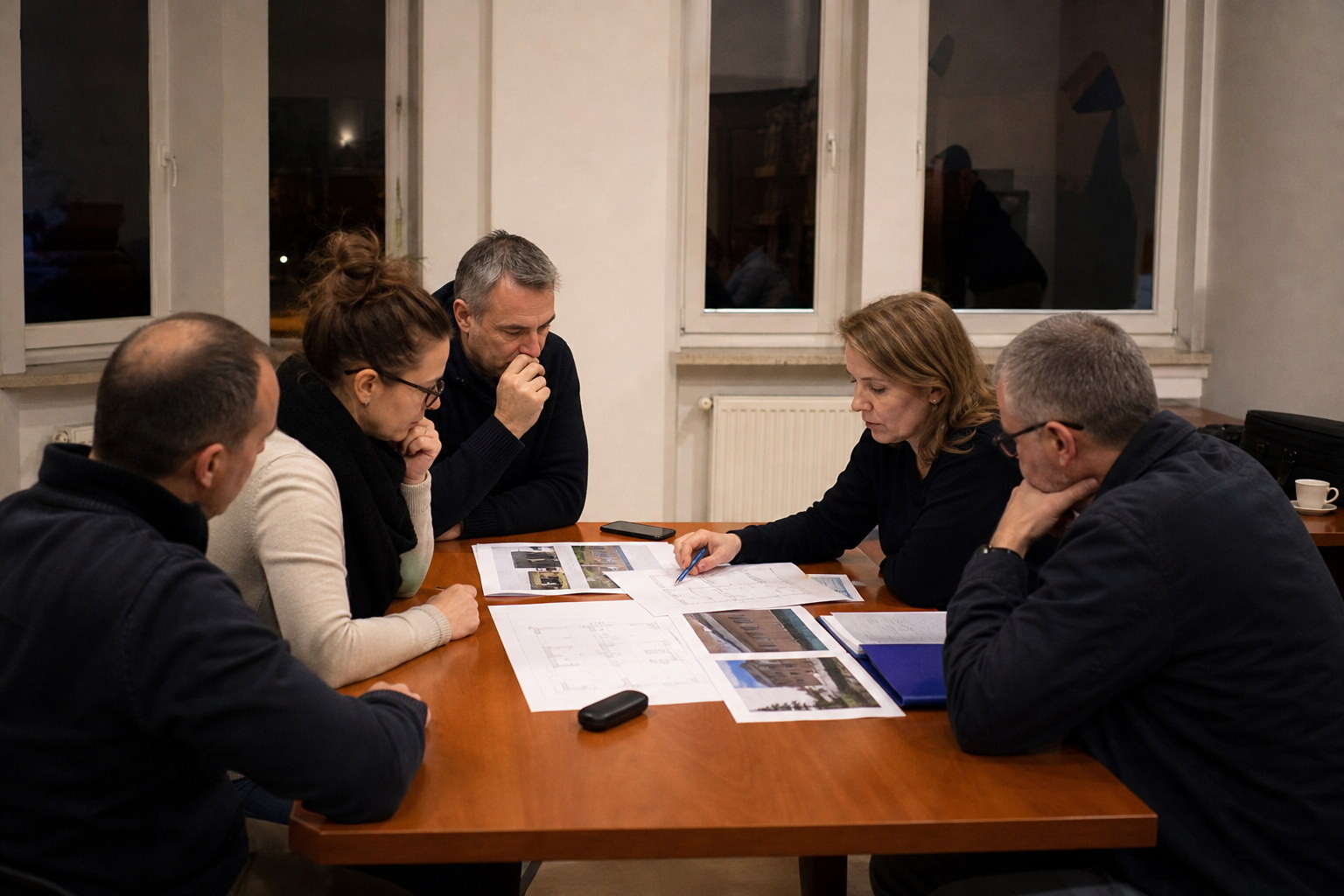 Read the house rules, resolutions and access arrangements before launch.
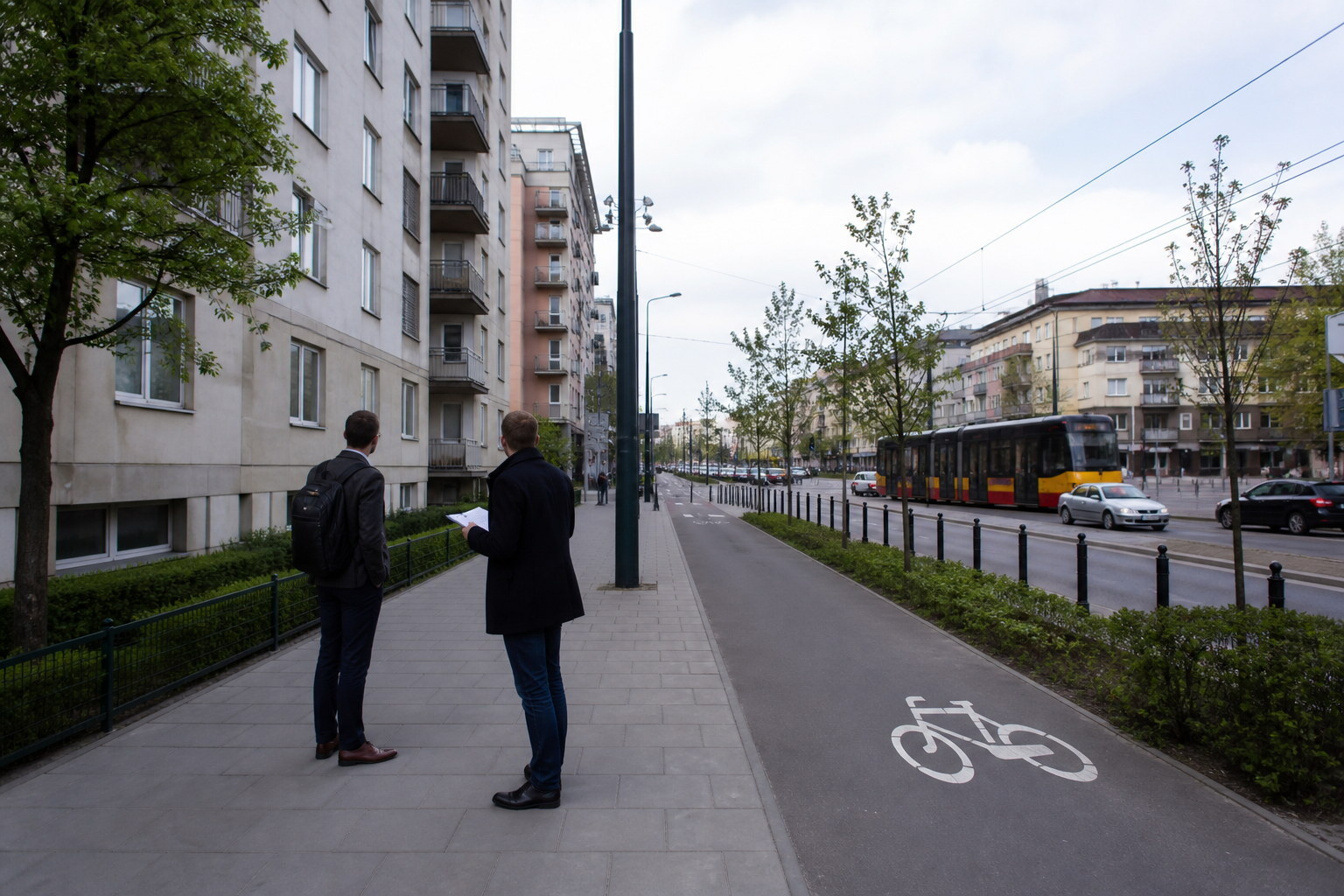 Noise, arrival patterns and common-area traffic can turn a viable listing into a poor operating fit.
What remains enforceable
Owners must maintain their unit, observe house order, use common property without obstructing others and cooperate in protecting the building. Repeated disturbances, security failures or damage can trigger civil and administrative remedies.
What to verify before buying
Obtain the house rules, recent resolutions, administrator correspondence on short stays, access-control policy and known complaints. A court ruling against a blanket ban does not make an operationally hostile building a good investment.
DAC7 reports activity; it does not create a new rental tax
Digital platforms collect and report information on sellers performing relevant activities, including real-estate rental. This improves tax-authority visibility, but it does not by itself decide the host’s income-tax, VAT or business classification.
 Reconcile platform statements, bookings, refunds, cleaning charges and direct payments.
Income-tax route
Do not automatically copy the private long-term-rental rate into a short-stay model. Repetition, organisation, services and the operator’s wider activity can affect classification.
VAT and invoicing
Accommodation, cleaning and other services require a fact-specific VAT and invoicing review. Foreign ownership does not remove Polish compliance questions.
Platform data
Keep records that reconcile the platform’s report with your books. A payout is not always identical to gross booking value after commissions, cancellations and guest charges.
Meet legal standards and build a safer operating layer
The current hotel-services framework requires applicable minimum equipment and sanitary, fire-safety and other separate-law conditions. The exact legal checklist depends on the property and operation; prudent risk controls should sit above that minimum.
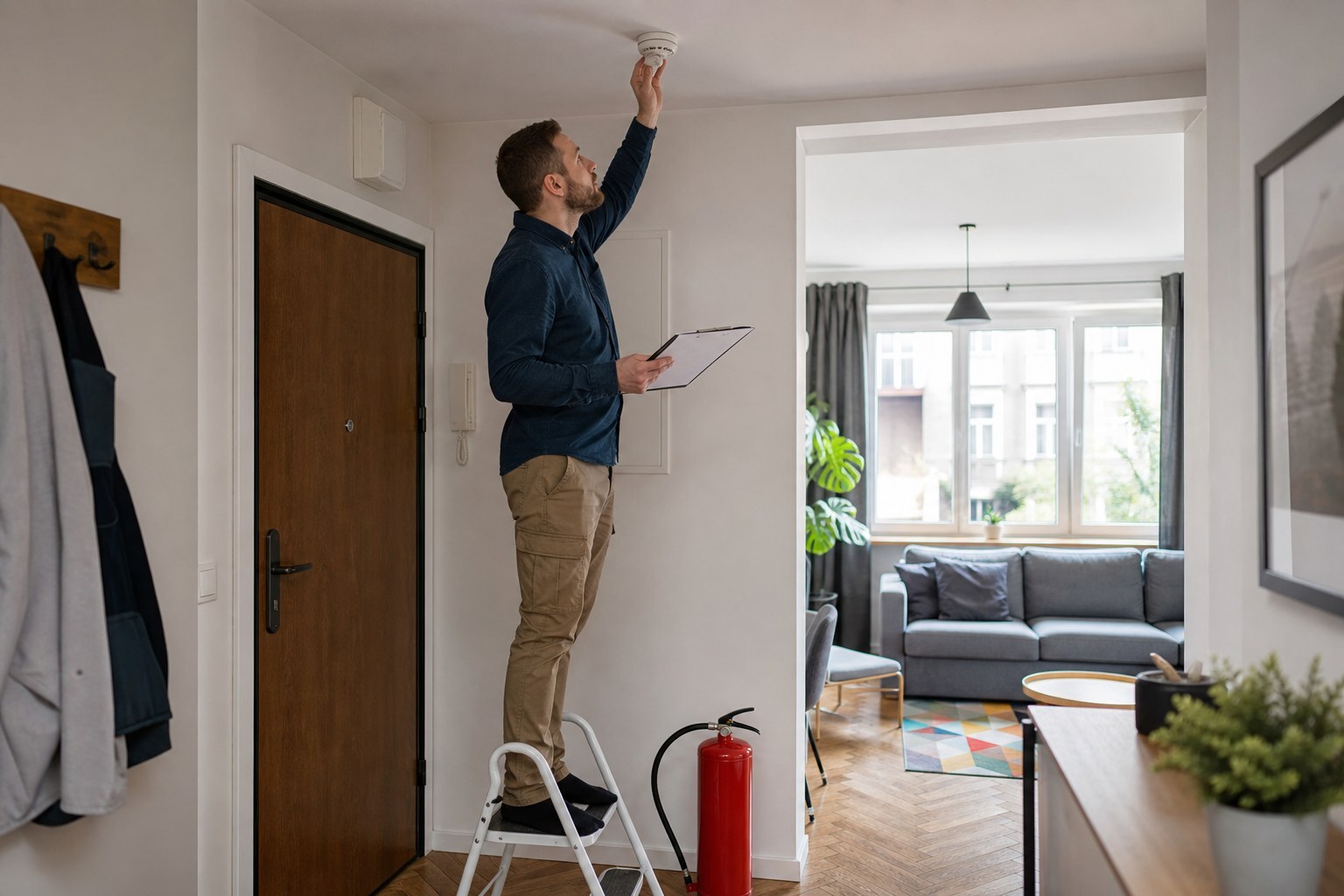 Document electrical, fire and emergency-readiness checks before hosting guests.
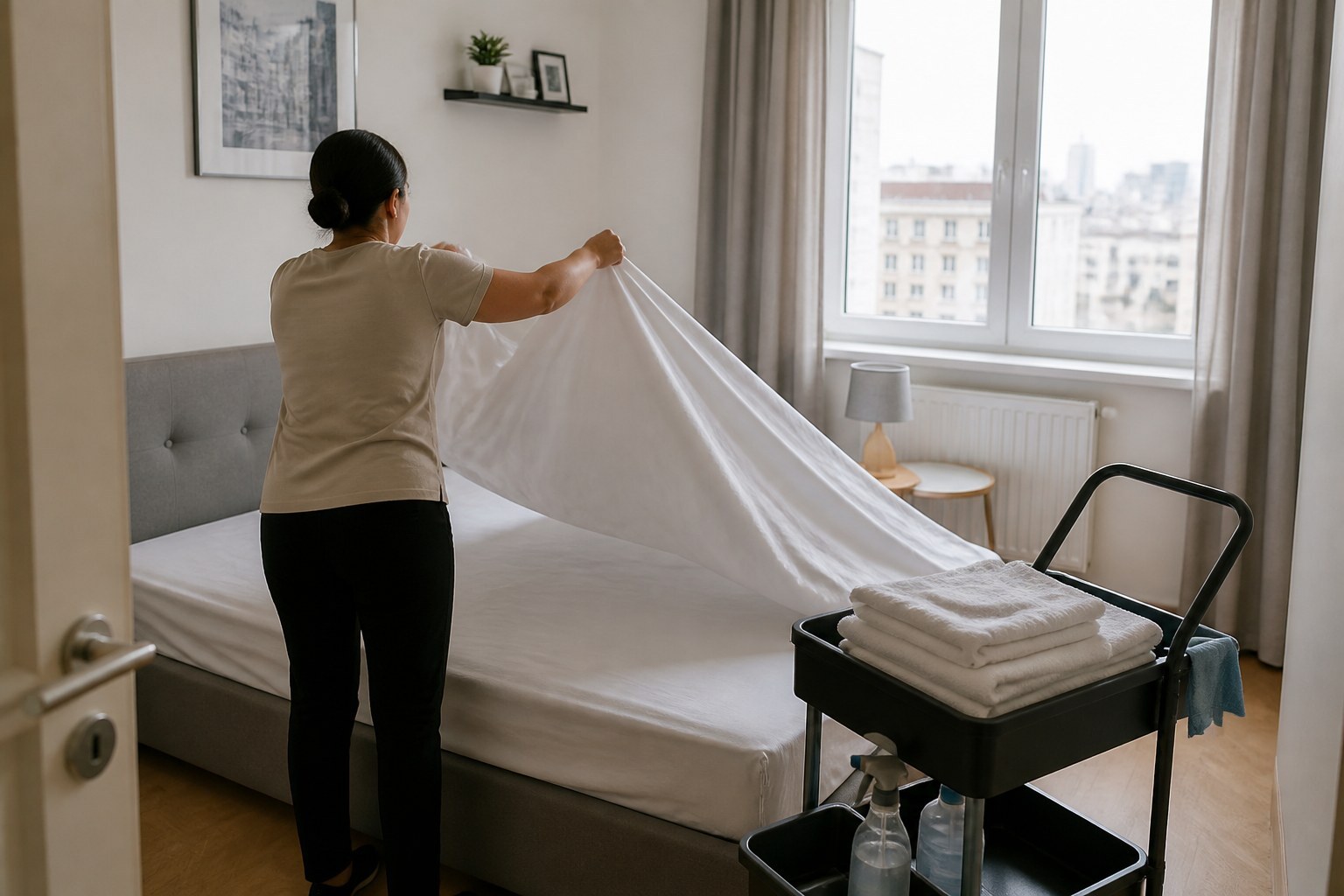 A repeatable turnover checklist protects hygiene, inventory and the next guest.
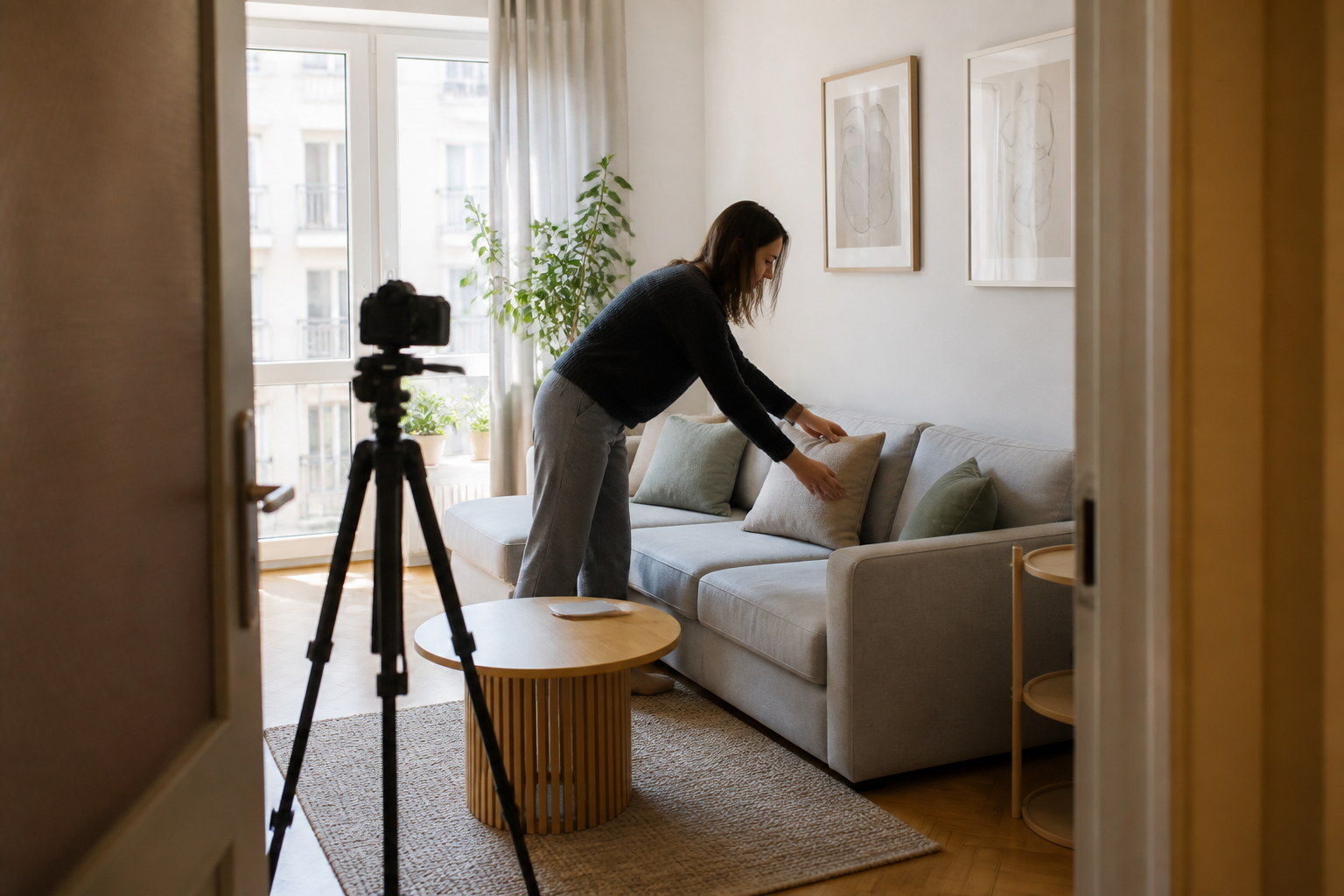 The listing should accurately match the safe, documented and insured property.
Before the first guest
- confirm the legal register and standards route;
- test access, lighting, heating, hot water and critical installations;
- prepare emergency instructions and local contacts;
- document contents, serial numbers, condition and keys;
- check fire and carbon-monoxide risk with a competent specialist where relevant.
Insurance must match the use
Do not assume an ordinary owner-occupied or long-term-let policy covers paid short stays, guest damage, loss of keys, liability, business interruption or contractor access. Disclose the intended use and obtain written confirmation of cover and exclusions.
Underwrite the long-term alternative before buying for short stays
Regulation, seasonality, platform dependence and neighbour friction make short-term income less predictable than a listing screenshot suggests. A resilient purchase should still make sense if the strategy changes.
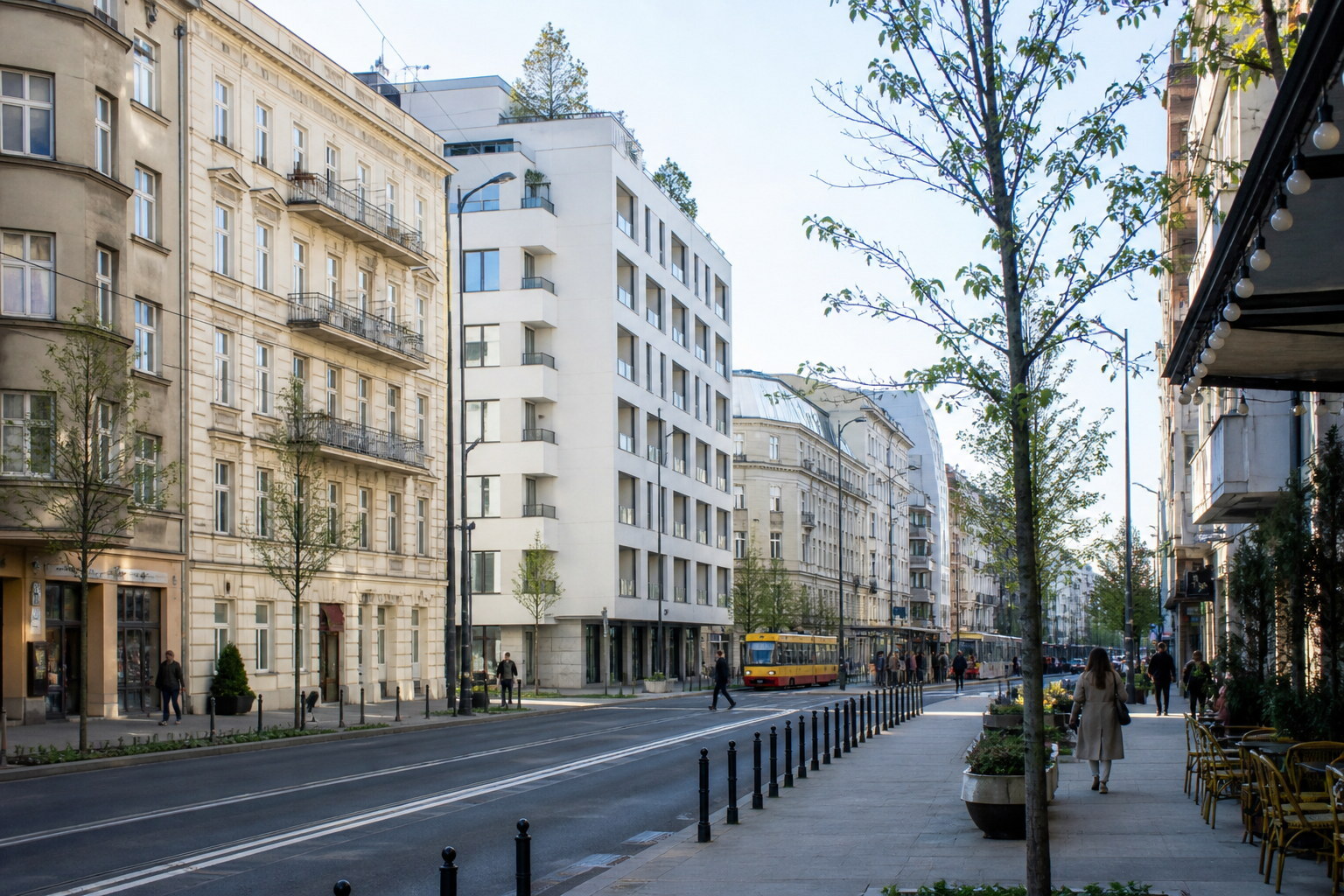 Location demand matters, but the building, title and fallback rental model matter too.
Classify the intended operation
Who will operate it, how stays are sold, what services are included, how often guests change and whether direct bookings will also be accepted.
Check the property and building
Title, permitted use, layout, common areas, access control, administrator position, house rules, noise exposure, parking and any fact-specific change-of-use question.
Price the complete operating model
Cleaning, linen, platform commission, utilities, repairs, management, insurance, taxes, vacancy, damaged inventory and compliance work — not only nightly rate.
Stress-test the fallback
Model medium- or long-term rental and an owner-sale scenario. If the purchase works only under an optimistic short-stay forecast, the risk is concentrated.
Buying a Warsaw apartment for rental?
We can screen the property, building context and operating plan before you commit — then coordinate the purchase and post-closing setup.
Short-term rental in Warsaw — clear answers
These answers reflect the official sources checked on 29 August 2026. Recheck the legislative status before acting because bill 2865 can change during parliamentary work.
Is short-term rental banned in Warsaw?
We found no enacted city-wide blanket ban in the official sources reviewed. However, the absence of a blanket ban does not make every apartment or operation compliant. Current hotel-services rules, Warsaw’s register, building obligations, safety and tax rules still need to be checked.
Does every Warsaw Airbnb need a CWTON number today?
No. CWTON is part of government bill no. 2865, which the official Sejm record still shows as unpassed. The existing Warsaw register for “other facilities” providing hotel services is a separate current procedure and should be checked now.
Does EU Regulation 2024/1028 create a rental licence?
Not by itself. It creates a harmonised framework for registration information and platform activity data where relevant registration procedures exist. National and local rules continue to decide market access, land use, building standards and taxation.
Can the housing community ban short-term rental?
The Supreme Court held in IV CSKP 20/21 that a housing community cannot impose a blanket ban on owners using residential units for short-term rental. Owners still must comply with house order, protect common property and avoid nuisance or harm to other residents.
Is the legal definition already “30 days or less”?
The current Act defines hotel services as short-term, generally available letting, without the new proposed 30-day wording. The explicit no-more-than-30-days definition is part of bill 2865 and should be described as proposed until enacted.
What tax rate applies to a foreign owner?
There is no responsible one-rate answer without the facts. Private rental, organised business activity, accommodation services, VAT, residence and treaty issues can interact. Obtain Polish tax advice for the actual model and reconcile platform data reported under DAC7.
Do I need permission to change the use of the apartment?
Not every short-stay operation has the same building-law outcome. The intensity of use, layout, works, safety conditions and administrative classification matter. Verify the specific unit and planned operation rather than relying on a universal yes or no.
Can a foreign owner operate remotely?
Yes, but remote operation needs a local access and emergency structure, documented authority, compliant registration and tax handling, insured contractors, reliable turnovers, guest support and clear spending approval limits.
Primary sources used
The legal status statement is date-specific. These official sources should be checked again before publication updates or an investment decision.
Choose the apartment and operating model with the downside visible
We support international buyers with property search, acquisition coordination, building-level due diligence and post-purchase management planning in Warsaw.
Important: This guide is general information, not legal, tax, fire-safety or building-law advice. Rules, forms and the parliamentary bill may change after 29 August 2026. Confirm the current requirements for the actual property, owner and operating model before advertising or accepting bookings.