


After buying an apartment in Poland — land register, taxes, utilities and rental setup
Signing the final deed is not the end of the buyer’s work. This practical guide shows what to secure, verify, notify and organise during the first 90 days — especially when the owner lives outside Poland.
What should you do after buying property in Poland?
Keep the executed deed and payment evidence, complete a detailed handover protocol, secure access and meter readings, notify the building administrator, check the land-register application, file the correct local property-tax information and decide who will handle insurance, utilities, repairs and rental compliance. The exact checklist depends on the title, building, financing and intended use.
Start with the agreement and deed guide if closing has not happened yet, or compare Polish ownership types if you are unsure what right you acquired.
Secure the evidence
Deed copies, payment confirmations, handover protocol, meter photographs, keys, access devices and warranty records.
File what is required
For a natural person, the local IN-1 property-tax information is generally due within 14 days of the event creating the obligation.
Verify the records
Monitor the notarial land-register application and later check the owner, shares, rights, claims and mortgages shown in EKW.
Choose an operating model
Personal use, vacancy, finishing or long-term rental each needs a different utility, insurance, access and management plan.
Close the transaction file before details disappear
The final deed is central, but the practical evidence created at handover may decide later disputes about keys, condition, equipment, utilities, defects and responsibility for charges.
Preserve the legal set
DocumentsStore the executed deed, attachments, powers of attorney, translations, payment confirmations and any mortgage-release or lender instructions. Keep one read-only digital copy and one controlled working copy.
Complete a factual handover
PossessionRecord the date and time, every key and access device, current meter readings, visible defects, installed equipment and the condition of storage or parking areas. Both sides should retain the same signed protocol.
Control access immediately
SecurityConfirm who still holds keys, gate remotes, alarm credentials and building-app access. Where appropriate, arrange a lawful lock-cylinder change and document all keys entrusted to contractors or managers.
Monitor the land and mortgage register after closing
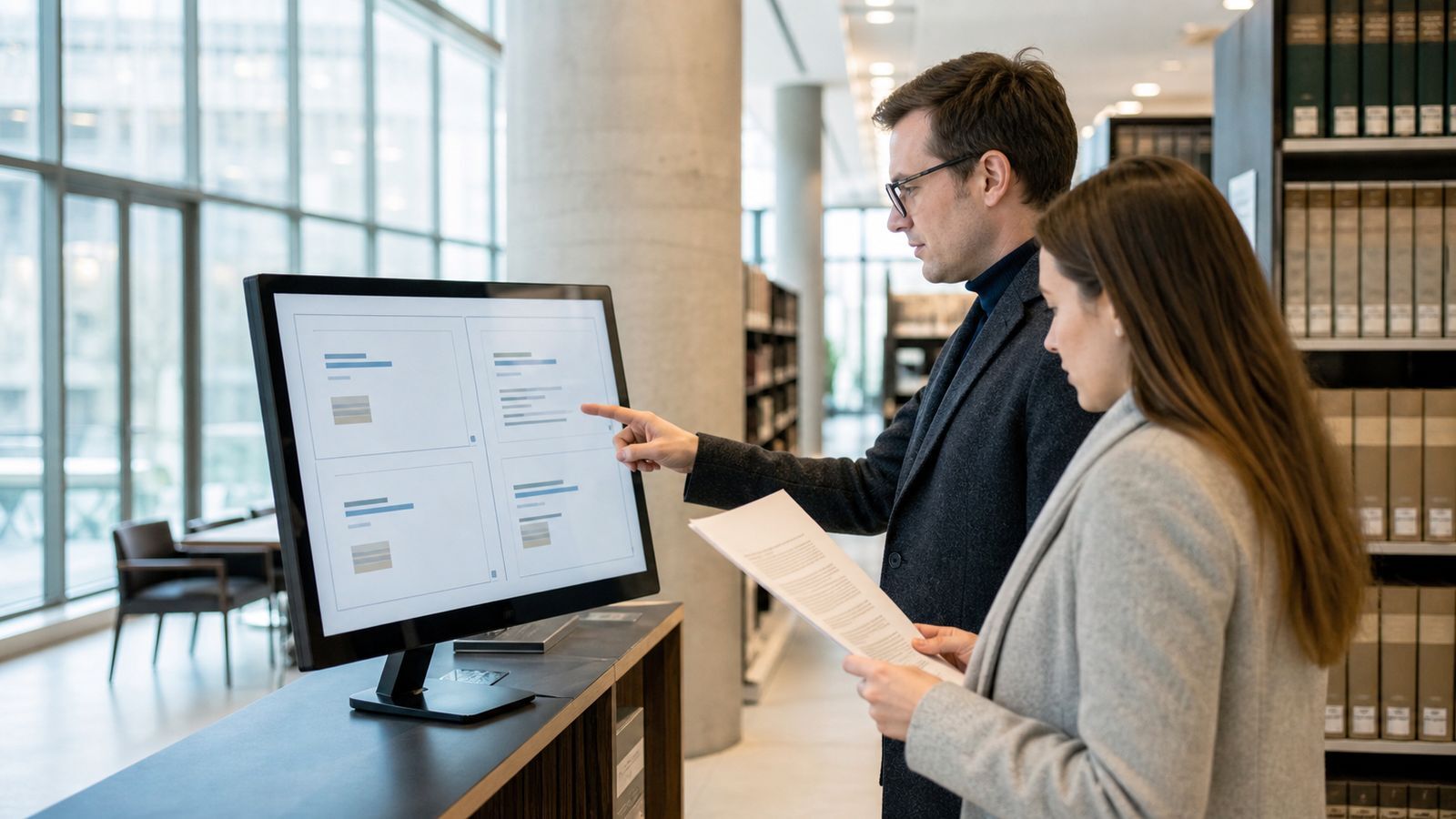
A notarial deed usually contains the land-register application, but the court entry may appear later. Monitor the application and then check the completed record instead of assuming the submission and the final entry are identical.
What to compare after the entry
- property and unit designation in Section I-O;
- rights connected with ownership in Section I-Sp;
- new owner and shares in Section II;
- rights, claims and restrictions in Section III;
- mortgages, releases and lender details in Section IV.
Why the legal effect differs by case
The significance of an entry is not identical for every right. A resale transfer of an existing separate apartment and the first creation of separate ownership are not the same legal route; a mortgage also depends on registration. Ask the transaction lawyer or notary which pending entries are merely recording an existing effect and which are constitutive in your transaction.
Separate property tax from PCC and building charges
Three different cash flows are often confused: transaction tax handled at closing, recurring municipal property tax and monthly advances charged by the housing community or cooperative.

IN-1 property-tax information
A natural person generally submits IN-1 within 14 days of the event creating the property-tax obligation, including purchase. In Warsaw, use the city’s current instructions and form route; report associated parking, storage or land correctly because their legal classification may differ.
PCC in the notarial deed
PCC is a transaction tax, not the recurring city property tax. For an act performed in notarial form, the notary is the PCC remitter and transfers collected tax to the authority. Retain the deed and settlement evidence, and have any exemption or unusual transaction confirmed case by case.
Community or cooperative account
Notify the administrator of ownership, contact and correspondence details; obtain current advances, payment account, house rules, resolutions and meter-settlement method. Under the Ownership of Premises Act, owners contribute to common-property costs and monthly advances are payable in advance by the tenth day.
Transfer utilities without losing the closing readings
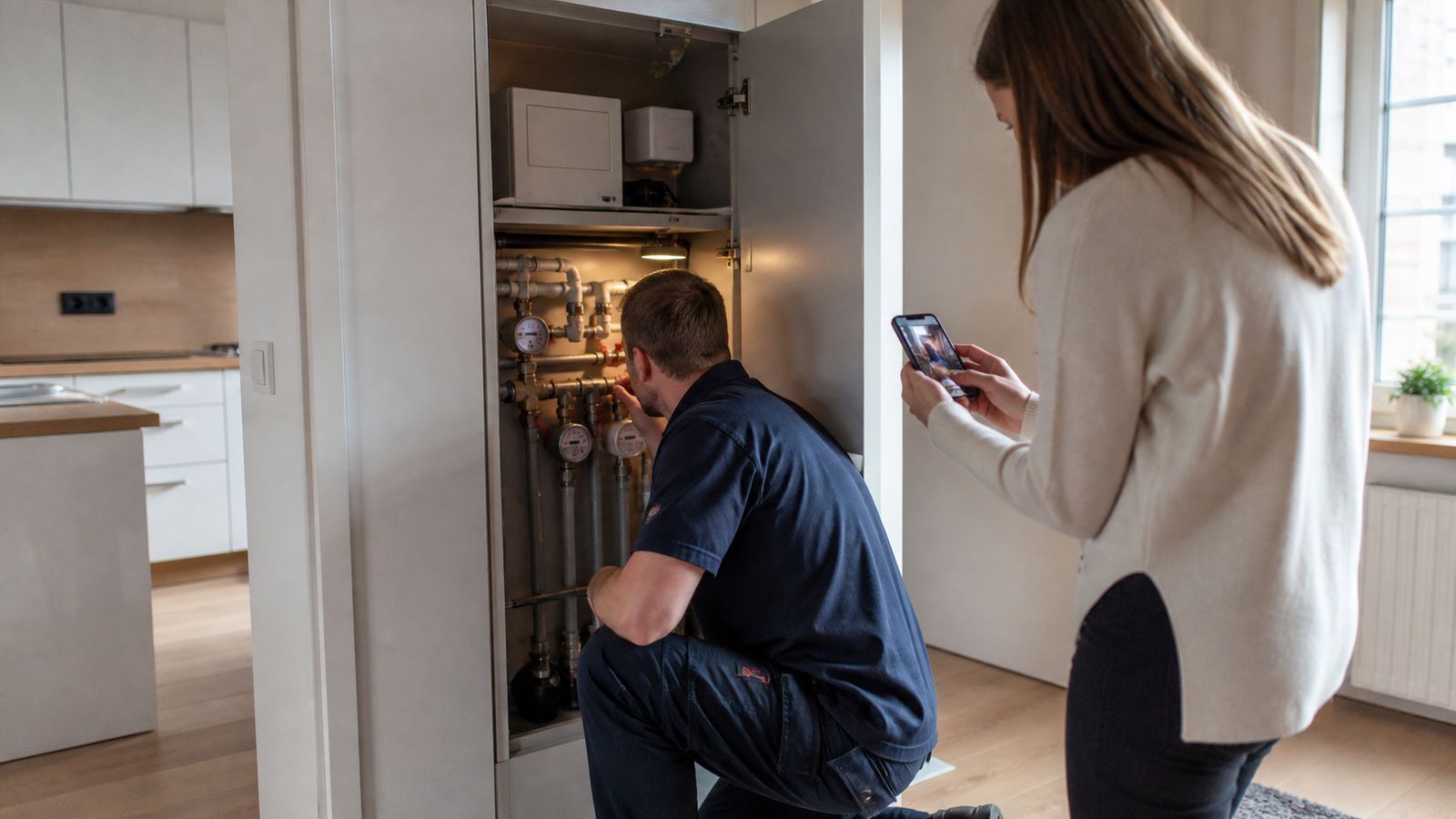
Electricity, gas, internet and services billed through the building do not all transfer through one system. The handover protocol should connect each account to a dated reading and the party responsible before and after possession.
Build a utility transfer sheet
Do not confuse supplier and distributor
For electricity, the network distributor is tied to the connection, while the seller supplies under the commercial contract. When changing seller, contract timing and the change-date meter reading matter for continuity and the final settlement.
Document condition, defects, warranties and insurance
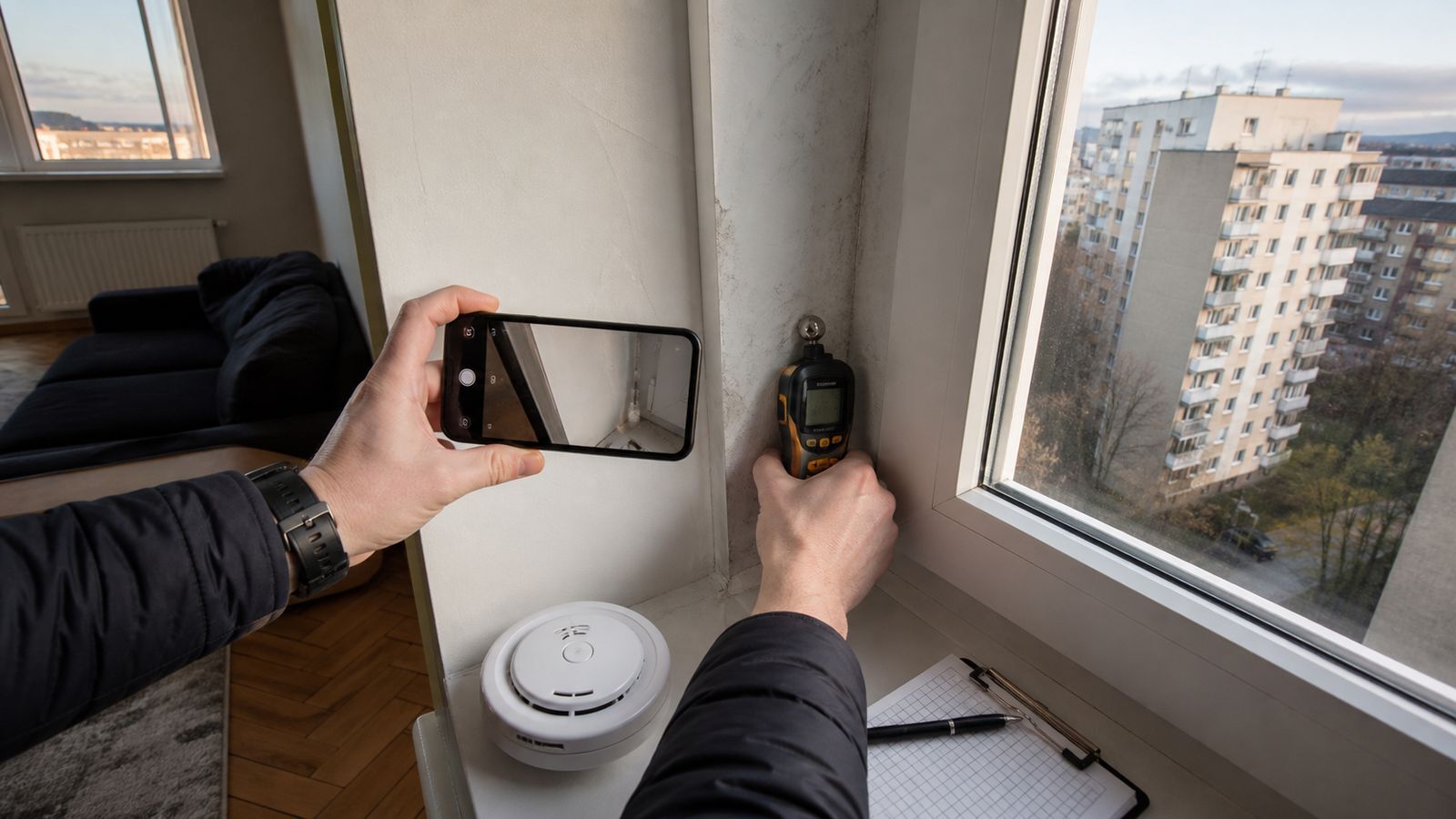
The best time to create a neutral condition record is before contractors, tenants or ordinary use blur the boundary between a pre-existing defect and later damage.
Create a room-by-room record
Photograph walls, ceilings, floors, windows, sanitary fittings, appliances and installed equipment. Record serial numbers where relevant and keep the developer or contractor protocols beside later defect notices.
Route defects correctly
A developer defect, seller warranty issue, common-building failure and contractor defect do not follow the same path. Preserve deadlines and send factual written notices to the responsible party instead of relying on informal calls.
Choose insurance around the real use
A cash purchase does not by itself create one universal policy requirement, while mortgage terms commonly require cover and assignment. A landlord should also consider fixtures, contents, liability, water damage and exclusions rather than insuring only the walls.
Already own the apartment but do not have a local operating plan?
We can review the practical status, identify missing handover evidence and prepare the property for a controlled long-term-rental route.
Make the apartment operational before advertising it
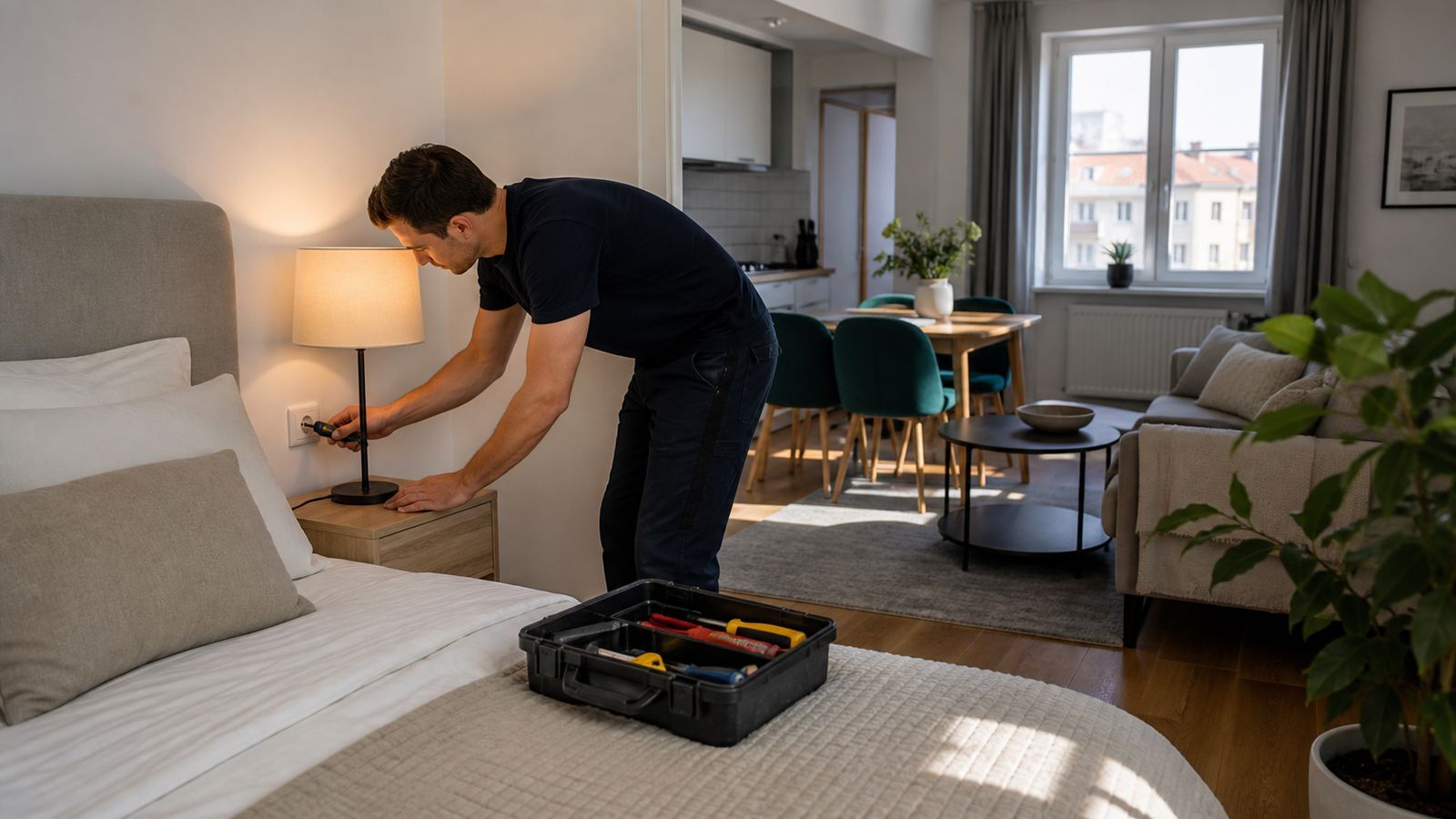
A rental-ready apartment is not simply furnished. It needs a defensible rent model, durable specification, documented condition, safe systems, a lawful agreement, tax routing and a response plan for repairs and arrears.
Prepare the commercial model
- calculate achievable base rent separately from tenant-paid utilities;
- budget vacancy, management, repairs, tax and replacement reserve;
- choose the target tenant before furnishing and photography;
- avoid quoting gross yield as if it were cash return after all costs.
Prepare the compliance route
Private rental income is currently taxed through registered lump-sum tax: 8.5% up to PLN 100,000 of revenue and 12.5% on the excess, subject to the taxpayer’s actual status and any special rules. A non-resident owner should confirm Polish filing, payment identification and treaty position with a qualified tax adviser.
If an occasional-lease structure is used, its statutory attachments, notification and later enforcement steps must be handled correctly; it is not an automatic eviction button.
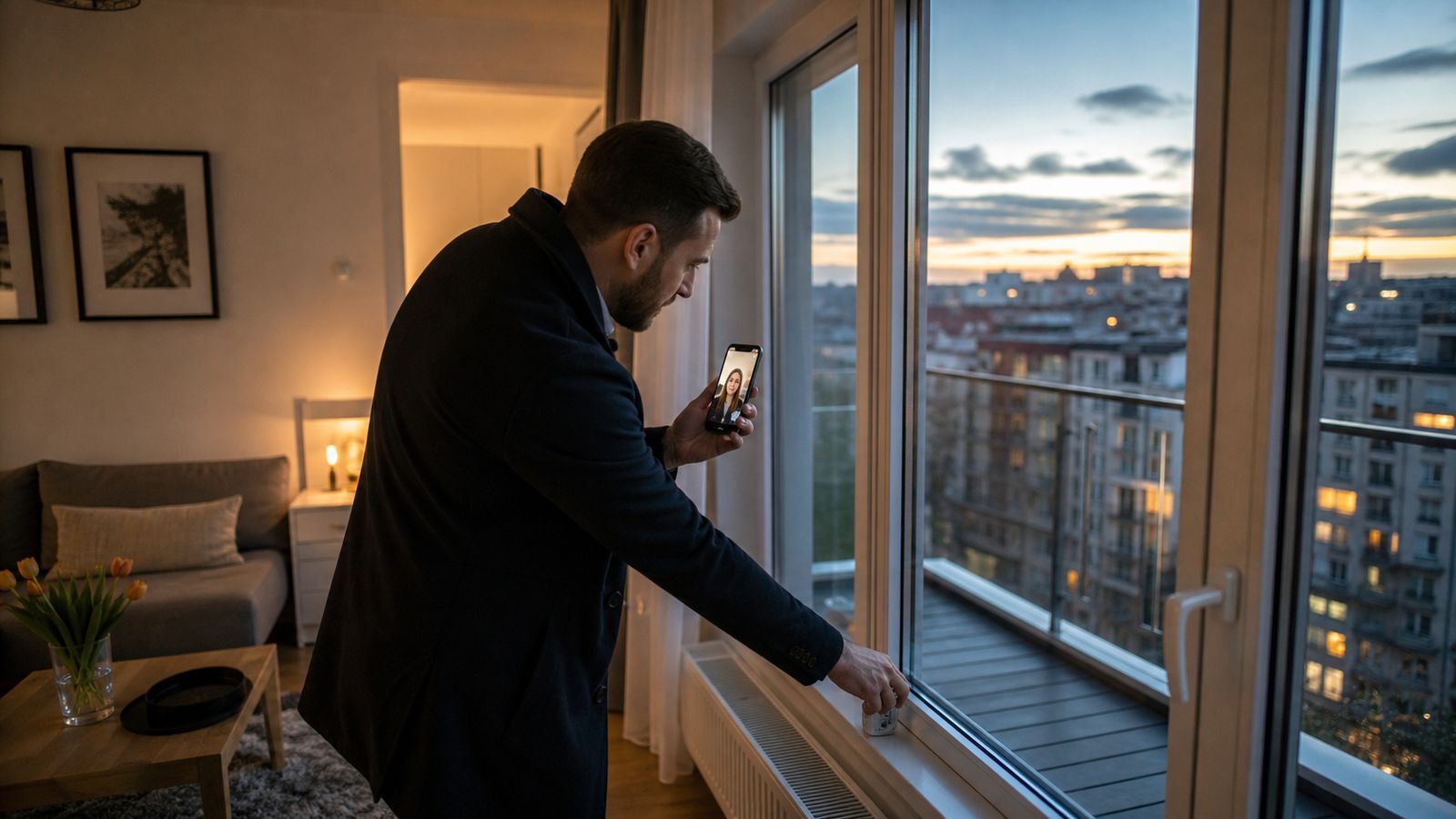
Replace physical distance with evidence and authority limits
A remote owner needs more than a contact number. Define who can enter, approve costs, receive official mail, instruct contractors, communicate with the administrator and report an emergency.
Local access protocol
List every key holder, allowed use, emergency contact and return process. A contractor should not automatically receive permanent access or authority to approve unrelated work.
Decision thresholds
Set written limits for urgent repairs, planned works and tenant concessions. Define when photographs, competing quotations or express owner approval are required.
Reporting and document custody
Keep invoices, protocols, leases, tenant evidence, repair photographs, community statements and tax records in a consistent folder. Use secure transfer for identity, bank and full-title documents.
A practical first 90 days after purchase
This is a control sequence, not a universal statutory calendar. Contract deadlines, IN-1 and defect notices take priority where they expire sooner.
Closing and possession
Secure deed copies, payment and bank evidence; complete handover; record keys, equipment, readings and condition; protect access; notify the manager of an emergency contact.
Notifications and operating continuity
Submit the applicable property-tax information, start utilities and administrator updates, place insurance, route defects and confirm who is monitoring the land-register application.
Verify costs and records
Check community advances and account details, reconcile final seller bills, organise warranties, confirm utility contracts and inspect the live register or state of the pending case.
Finish or stabilise the property
Complete approved works, technical corrections, furnishing, inventory and professional photography. Update the budget with actual rather than quoted costs.
Launch the chosen use
For long-term rental, set the rent, tenant profile, lease route, tax process, management authority and maintenance reserve before marketing. For personal use or vacancy, retain periodic inspection and emergency access.
We do not disappear when the deed is signed.
Warsaw Investor Care can connect acquisition, handover, finishing and long-term-rental operation into one buyer-side evidence trail. The work stays centred on the owner’s brief and property, not on moving our own listing inventory.
- handover and evidence coordination
- technical and finishing workflow
- administrator and utility follow-up
- rental-readiness planning
- tenant search and long-term management
- remote-owner reporting
After-purchase FAQ for foreign owners in Poland
These general answers were checked against official Polish sources on 25 August 2026. The deed, title type, municipality, building rules, lender conditions and individual tax position remain decisive.
What should I do immediately after buying an apartment in Poland?
Secure the deed and payment evidence, complete a detailed handover protocol, record keys and meters, document condition, control access, notify the administrator and identify the applicable property-tax and land-register follow-up.
Do I need to file property-tax information after buying a Warsaw apartment?
A natural person generally files IN-1 within 14 days of the event creating the property-tax obligation, including purchase. Use the current Warsaw instructions and classify the apartment, parking, storage and land interests from the deed correctly.
Is IN-1 the same as the 2% PCC paid when buying?
No. PCC is a transaction tax and a notary is the remitter for PCC on notarial acts. IN-1 is information used by the municipality to determine recurring property tax. Whether PCC was due or exempt does not remove the need to check the separate local-tax filing.
How do I check whether I am shown in the Polish land register?
Use the official EKW browser with the electronic land-register number. The portal also supports authenticated access to notifications and case-status information. Compare all sections and pending mentions, not only the owner name.
Does delayed registration mean I do not own the apartment?
Not necessarily. The effect of registration differs by right and transaction. Resale of an existing separately owned apartment, first creation of separate ownership and registration of a mortgage do not operate identically. Ask the notary or lawyer which entry is constitutive in the actual case.
Who should be notified in the building after purchase?
Contact the community administrator or housing cooperative with ownership, correspondence and payment details. Obtain the current advances, bank account, house rules, resolutions, meter process and emergency contacts. Do not send unnecessary identity documents through unsecured email.
Must every apartment owner buy insurance?
Ownership alone does not create one universal private-policy requirement for every cash buyer, but mortgage conditions commonly require property insurance and assignment. The right cover depends on use, contents, liability, water damage, exclusions and building insurance.
How is private rental income taxed in Poland?
Current Ministry of Finance guidance states that private rental revenue is taxed by registered lump sum at 8.5% up to PLN 100,000 and 12.5% on the excess. A foreign owner should obtain case-specific advice on residence, treaty, registration and payment obligations.
Can I manage a Warsaw rental without living in Poland?
Yes, but create a local access, emergency, approval, reporting and document-custody structure. Define who can instruct works, accept a tenant handover, receive correspondence and approve costs; a broad informal promise is not an operating system.
Does owning property give me residency in Poland?
No. Ownership and immigration status are separate. Property may be relevant as accommodation evidence in a particular application, but it does not itself create a residence permit or EU registration right.
Official source library
Direct controlling or public guidance is linked beside the relevant claims. Re-check the live version and the individual deed before acting.
Turn a completed purchase into a controlled Warsaw property.
Tell us what you bought, what remains unfinished and whether the apartment is for personal use or long-term rental. We can organise the buyer-side evidence, finishing and operational steps without inventing a one-size-fits-all checklist.
Tell us what remains after closing.
Share the purchase stage, intended use and unresolved tasks. Do not paste passport scans, banking credentials or complete land-register access data here.
Editorial note: updated 25 August 2026 and checked against official Polish sources. This page provides general educational information in English. It is not legal, notarial, tax, insurance, utility, immigration or investment advice and does not determine the effect of a particular deed or register entry. Title, citizenship, financing, building rules, municipality and intended use differ by property. Obtain case-specific advice from the competent lawyer, notary, tax adviser, insurer, utility provider or authority. Warsaw Investor Care provides independent buyer-side property search, renovation and transaction or long-term-rental coordination. Editorial images illustrate the topic and do not depict property offered for sale.