



Buy certainty when time and remote coordination matter. Buy renovation potential only when the discount survives a complete, evidence-based works budget.
A turnkey apartment can start working sooner and requires fewer decisions, but the buyer may be paying a premium for finishes that are difficult to inspect and may not suit the intended tenant. A renovation opportunity can improve layout, durability and future rent, yet the apparent discount disappears quickly when technical unknowns, design, labour, materials, furniture, holding time and contingency are included.
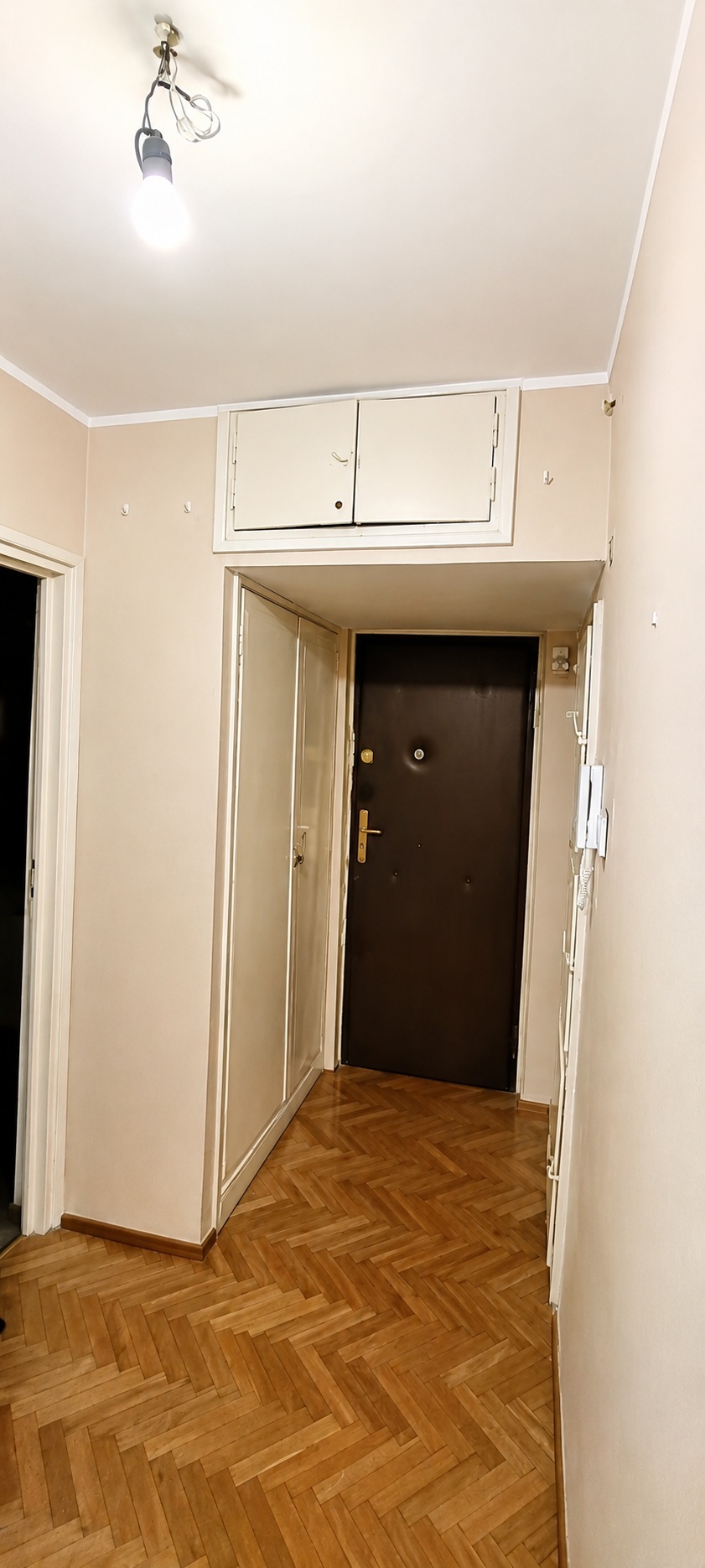 Before: lower presentation value can hide both opportunity and technical cost.
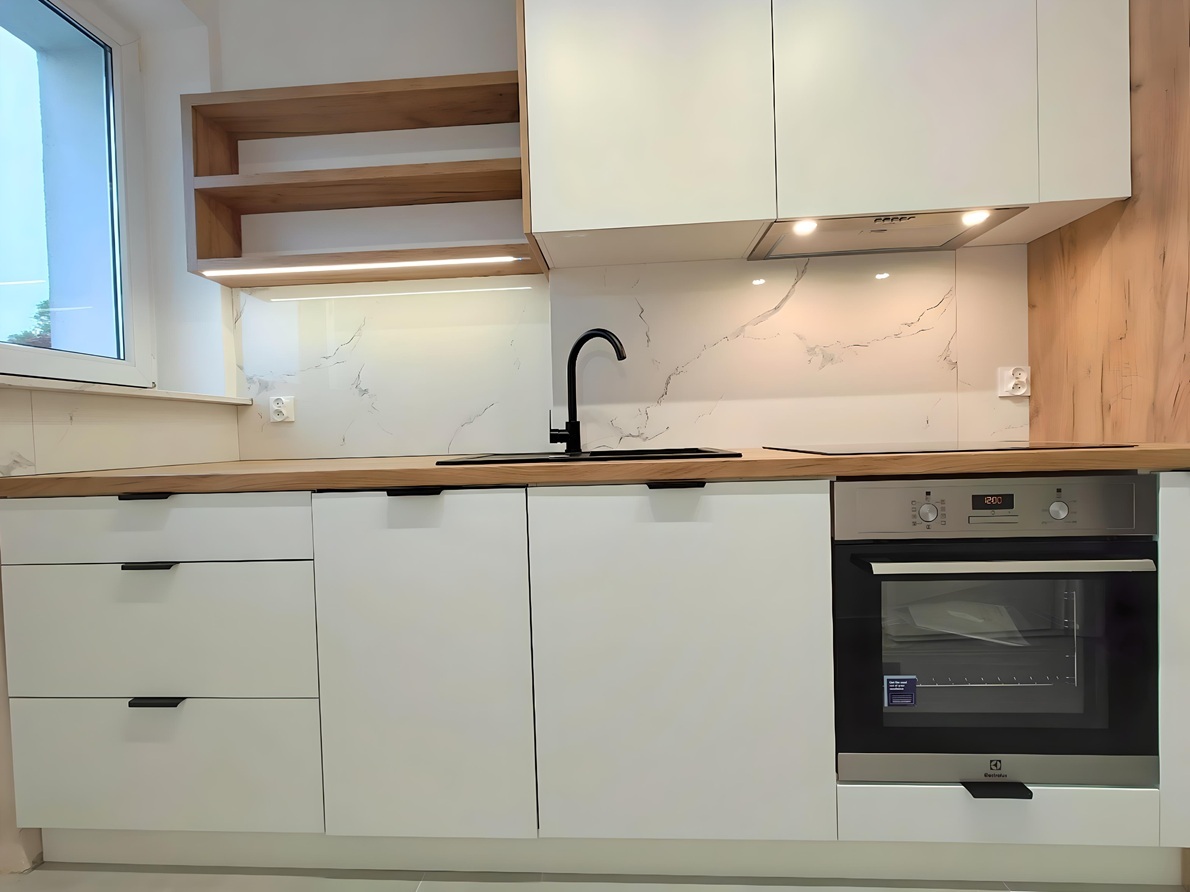 After: value comes from the result, but only if the total execution remains disciplined.
The phrase “turnkey” sounds objective, but in Warsaw listings it can describe anything from a professionally completed apartment with documented equipment to a recently painted resale unit furnished for photographs. “Renovation opportunity” is equally broad: it may mean cosmetic refreshment, a full replacement of installations, a developer-standard shell awaiting fit-out or an older apartment whose useful layout depends on formal and technically feasible alterations.
This guide keeps those labels separate from market type. A turnkey home can be new-build or resale. A renovation project can be an older resale apartment or a newly delivered shell. If the decision is specifically between primary and secondary stock, use our separate new-build versus resale comparison.
“Turnkey” is a claim. The inventory and inspection make it real.
Compare what transfers with the apartment and what must still be repaired, supplied or approved.
 Do not compare listing labels. Compare rooms, installations, equipment, documentation and the first realistic day of use.
Usable without a major construction programme.
The intended buyer or tenant can move in after legal completion, cleaning and minor setup. The sale documentation should identify furniture, appliances, lighting, window coverings and other movable items that remain.
Value depends on planned physical improvement.
The apartment requires work before it meets the intended use. Scope can range from surfaces and furniture to electrical, plumbing, bathroom, kitchen, layout or complete finishing from developer standard.
A newly renovated apartment is not automatically turnkey if snagging, custom furniture, appliances, internet, lighting or administrative handover remain incomplete. A dated apartment is not automatically a major renovation if the installations, bathroom and floor plan are sound and the buyer only needs a controlled refresh.
Replace “turnkey” and “needs renovation” with a written room-by-room scope. If the scope cannot be described, the price comparison cannot be trusted.
Condition should be the variable — not the district, building and floor plan at the same time.
A fair comparison controls the factors that already influence price and rent.
Compare apartments within the same micro-market, similar building class, usable area, floor, lift access, daylight, noise exposure and legal form. A renovated apartment beside a metro station and an unrenovated unit twenty minutes away do not reveal a renovation premium; they reveal two different properties.
| Decision layer | Turnkey apartment | Renovation opportunity | Evidence required |
|---|---|---|---|
| Purchase | Often higher visible price | Potential condition discount | Matched local comparables |
| Capital after purchase | Cleaning, repairs, replacement reserve | Design, works, fixtures, furniture, contingency | Written scope and current quotations |
| Time | Potentially immediate use | Survey, design, approvals, procurement and works | Critical-path schedule |
| Quality control | Inspect completed and hidden work | Control specifications and progress | Independent technical review |
| Rental position | Earlier marketing possible | Purpose-built tenant standard possible | Comparable rent and realistic launch date |
| Exit | Condition will age from today | Improvement can widen the audience | Post-works resale ceiling |
The correct output is not a generic percentage discount. It is a property-level adjustment showing how much capital and time are required for both apartments to reach the same target standard.
The cheaper listing can become the more expensive acquisition.
Build both options to the same finish line before comparing their price.
 A useful renovation budget begins with a defined specification, not a generic rate per square metre.
 Material grade, custom joinery and equipment can change both budget and delivery time.
Start with purchase price and applicable transaction costs. A taxable sale of Polish residential property is generally subject to 2% PCC, while exemptions or VAT treatment can change the position in specific transactions. Condition alone does not determine the tax route, so verify the transaction rather than assuming that a renovation unit is automatically cheaper to acquire.
For the renovation option, add every cost needed to reach the same usable standard:
- technical survey, measured plan and specialist diagnostics;
- design, specification and any required formal or building approvals;
- demolition, disposal, protection of common areas and site logistics;
- electrical, plumbing, heating, ventilation and data installations;
- walls, ceilings, floors, internal doors, painting and finishing details;
- bathroom, kitchen, appliances, lighting, wardrobes and loose furniture;
- project coordination, inspections, snagging and documented handover;
- utilities, building charges, financing and insurance during the works;
- vacancy or alternative accommodation until the apartment is usable;
- a contingency matched to the uncertainty of the property and scope.
For the turnkey option, include the immediate replacement reserve. A finished apartment may still need mattresses, window coverings, lighting, paint correction, appliance service, lock changes, internet setup or furniture replacement. Where the seller’s furniture is included, the inventory and condition should be written into the transaction or handover documentation.
Use our complete Warsaw acquisition-cost framework to keep purchase costs separate from post-purchase execution. A contractor quotation is not a valuation, and renovation spend is not automatically added to resale value.
The schedule is part of the purchase price.
Measure the first realistic day of occupation or rent, not the optimistic completion date.
 Custom joinery, appliances and final connections often sit on the critical path.
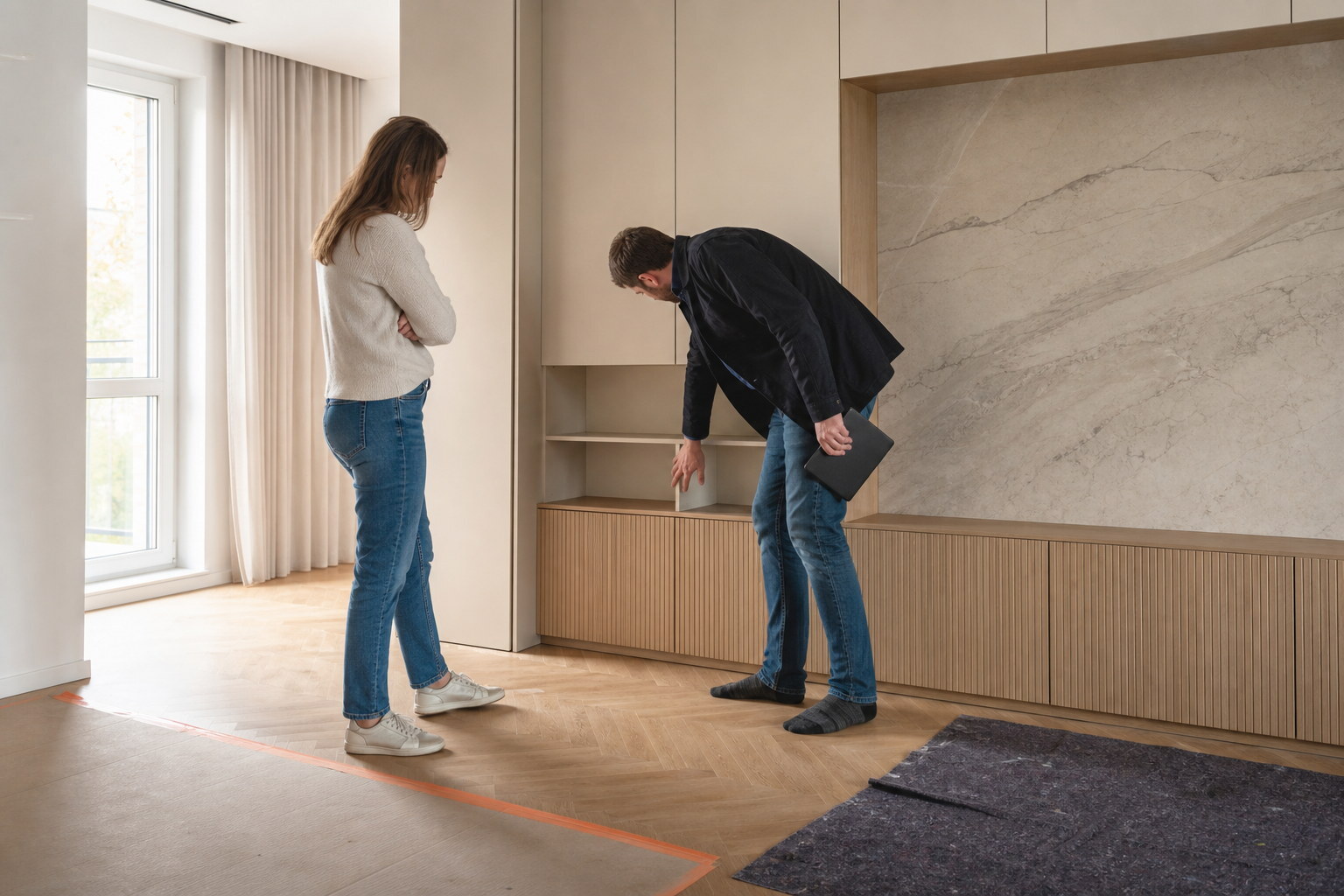 Works finish only after testing, snagging, corrections, cleaning and a documented handover.
A renovation schedule begins before the contractor enters. Access, survey, design decisions, quotations, contractor availability, custom materials, building rules and any formal procedure can determine the start. Completion must then allow for snagging, corrections, cleaning, furniture installation, utilities and photography or move-in preparation.
Evidence and decisions.
Measure, diagnose, specify, verify permissions, approve layout and lock the commercial scope.
Sequence and dependencies.
Installations precede surfaces; measurements precede joinery; corrections precede final furnishing.
Testing and handover.
Photograph concealed work, collect warranties, test systems and close the defect list.
A turnkey apartment can compress that path, but legal completion and key handover are not the same as rental readiness. Confirm access, utility status, internet, equipment, cleaning, inventory and any final defects. For an overseas buyer, also price the value of avoided decisions and travel.
Finished surfaces can hide unfinished evidence.
Inspect quality, documentation and the building — not only the photographs.
 Fresh paint and styling do not replace testing, moisture checks and a written defect record.
 The renovated interior does not remove façade, roof, lift, riser or building-fund risk.
A turnkey premium is justified only when the condition, equipment and saved execution burden are real. Ask when the work was completed, by whom, under what written scope, and whether invoices, product information, warranties, photographs of concealed installations and acceptance records exist.
- test electrical circuits, sockets, water pressure, drainage, heating and ventilation;
- check walls, floors, doors, windows, silicone, grout and joinery alignment;
- look for moisture, concealed leakage, odour and freshly covered damage;
- confirm that altered walls or installations were technically and formally acceptable;
- record appliance models, age, operating condition and documents;
- verify which furniture, lighting and accessories remain after completion;
- review building charges, renovation fund, planned common works and meeting records;
- compare the finish with the target tenant or owner, not the listing photography.
Ask what it would cost and how long it would take to reproduce the same verified result. Then deduct the value of items that are worn, unsuitable or undocumented.
The opportunity begins with what cannot be changed cheaply.
Layout, structure, risers, daylight, building rules and access set the boundaries.
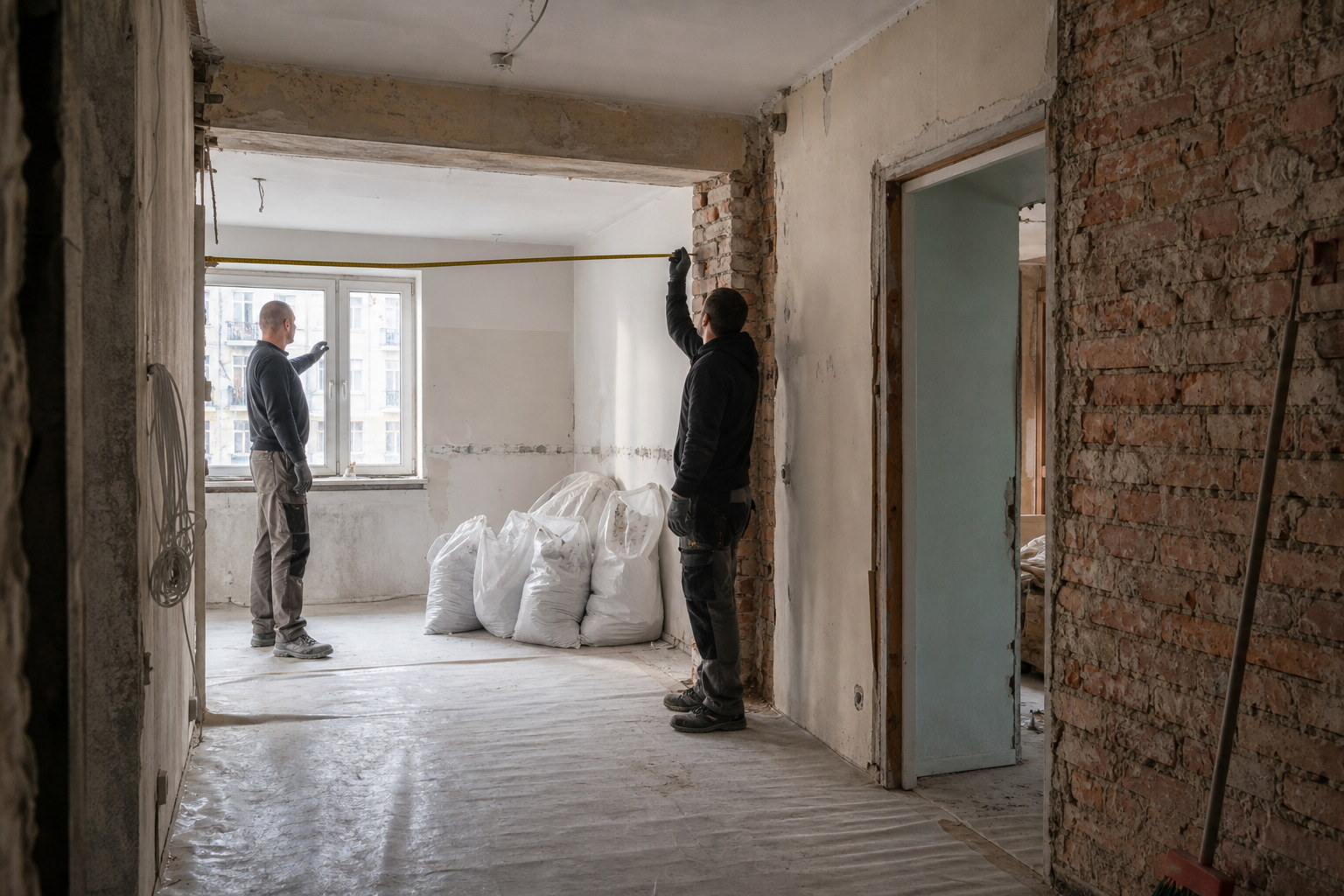 Scope
ScopeExpose the real starting point
Condition, removals and access define the first cost layer.
 Installations
Test before specifying
Capacity and condition can change the works budget.
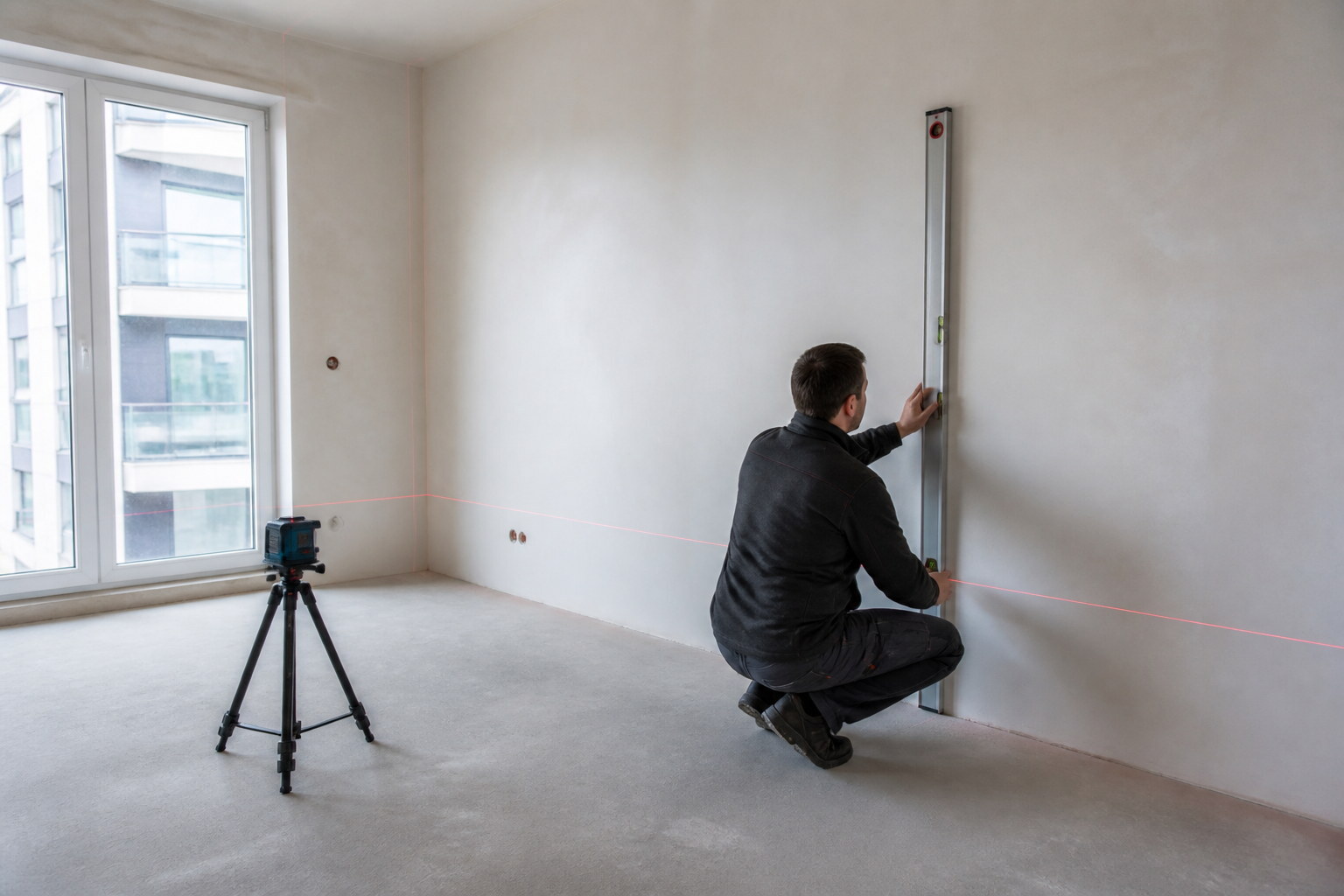 Geometry
Measure the usable plan
Walls, levels and furniture clearances affect the design.
Identify structural walls, chimneys, ventilation routes, wet-service locations, risers, electrical capacity and the building’s rules before treating a layout change as value. Works that affect structure, common installations, façade, windows or protected fabric may need professional design, building consent, notification or a permit depending on their exact scope and the property. The formal route must be checked for the actual plan.
Older apartments need a different level of uncertainty analysis from a clean developer shell. Finishes can conceal previous leaks, outdated wiring, uneven substrates, undocumented alterations or weak ventilation. Developer-standard units reduce some unknowns but still require handover inspection, complete finishing and coordination of warranties with new work.
Do not wait until ownership to discover whether the intended plan is feasible. The design concept, technical inspection and critical approvals should inform the offer ceiling.
Earlier rent is valuable. Better product-market fit can be valuable for longer.
Compare the first income date and the annual operating case.
A genuinely ready apartment can be photographed and marketed soon after closing. That avoids construction vacancy and reduces capital tied up before use. The advantage is strongest where the existing finish already matches local tenant expectations and needs only controlled corrections.
A renovation opportunity can create a more coherent layout, durable materials, storage and lighting for the intended tenant. That may support rent, tenant duration and future resale, but only after the lost income and complete works capital are deducted. Do not calculate yield on purchase price alone or assume every złoty of improvement increases rent.
Speed plus verified adequacy.
Use directly comparable rent, subtract immediate corrections and model how long the existing fit-out will remain competitive.
Delay plus controlled improvement.
Use the post-works rent, subtract vacancy and full execution cost, then test whether the market pays for the chosen specification.
For rental property, continue with the Warsaw rental-income framework and the long-term management scope. If the apartment is intended for personal use, value the saved time, disruption and temporary accommodation separately from investment return.
When each route has the stronger case.
The winning condition depends on the buyer’s capital, time, control and risk capacity.
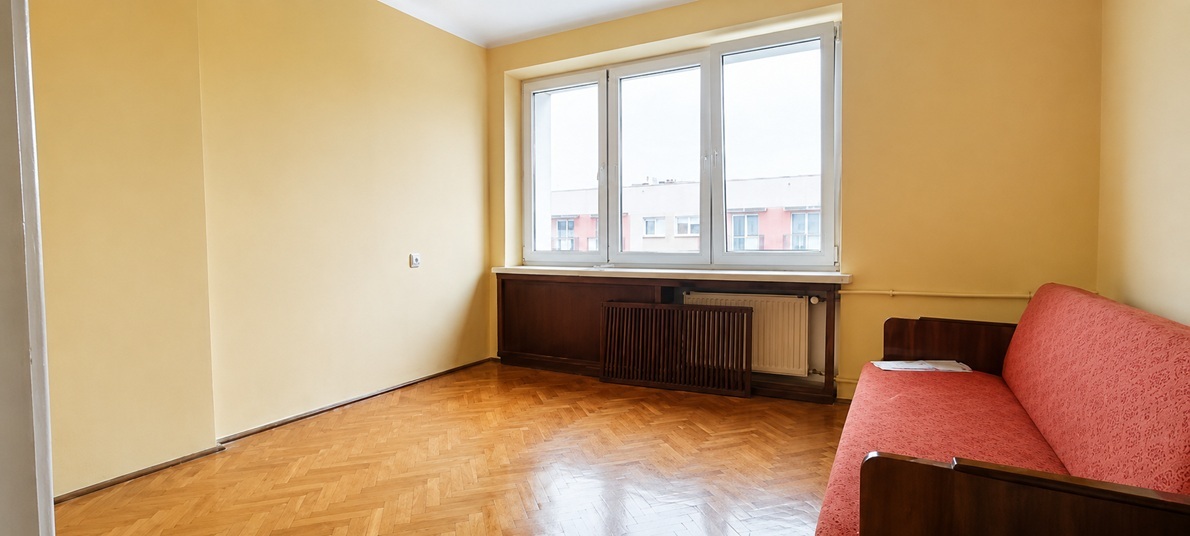 A dated room can offer a clear improvement case — if the installations and underlying condition are understood.
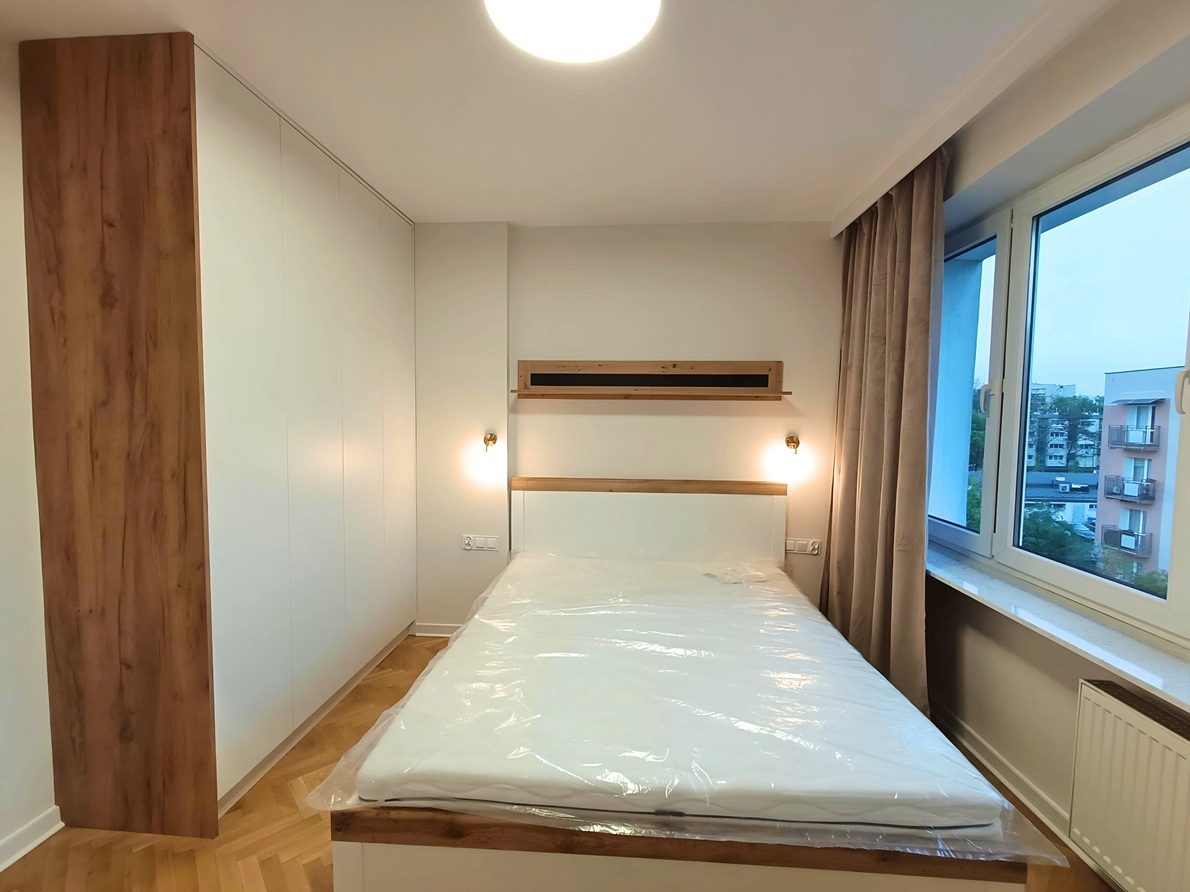 The finished result has value, but the market sets its ceiling rather than the renovation invoice.
Certainty and speed have measurable value.
- the apartment passes technical and inventory checks;
- the finish fits the intended tenant or owner;
- the premium is lower than reproducing the same result;
- the buyer needs an early and predictable use date;
- remote coordination capacity is limited;
- there is little upside from changing the layout;
- the building and common areas support the interior quality.
The discount funds a controlled value plan.
- the technical scope is surveyed before commitment;
- the intended changes are feasible and approvable;
- current quotations and a realistic schedule are available;
- the buyer has capital beyond the purchase price;
- the existing finish materially suppresses market appeal;
- layout or durability can be improved for a defined audience;
- the post-works value ceiling leaves a rational margin.
If a renovation apartment only wins under the lowest quotation, fastest schedule and highest future rent, it does not yet win. The case should survive a realistic delay, defect and cost scenario.
Real projects show why room-level analysis matters.
One apartment can contain several different renovation decisions.
 Before: furniture, surfaces and storage reduce presentation and practical use.
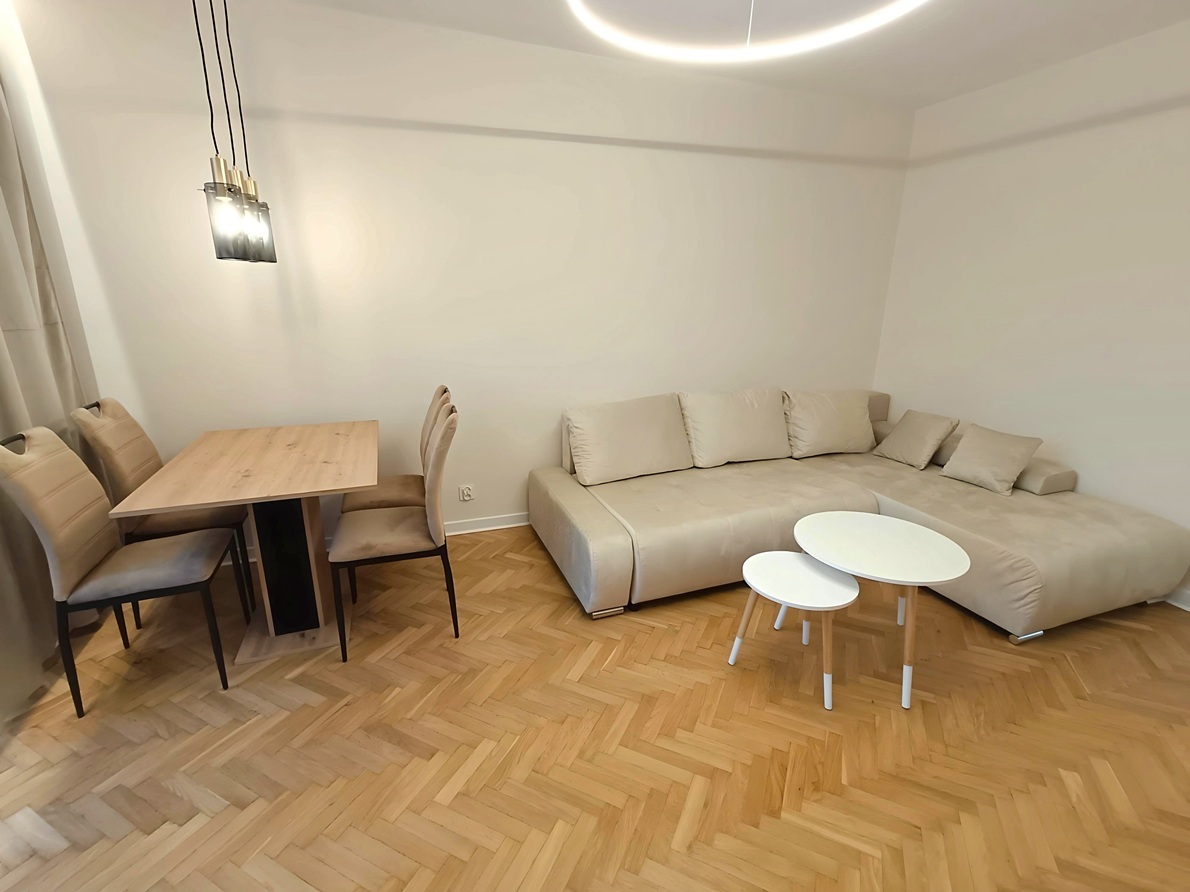 After: the commercial result comes from layout, storage and execution — not decoration alone.
A room that looks tired may require only surfaces, storage and lighting. Another room in the same apartment may need new circuits, plumbing, ventilation or full demolition. The condition discount must therefore be built from components rather than one average rate for the whole floor area.
Real before-and-after work is useful for testing assumptions, but it is not a promise that another apartment will follow the same budget or programme. Access, building age, previous alterations, material specification and contractor availability change the result. Review the complete Wola purchase and renovation case as evidence of process, not a universal cost template.
The right condition changes with the buyer.
Two buyers can rationally select different apartments at the same address.
Control coordination risk.
Turnkey can be stronger when the finish is verified and the buyer values a short decision chain. Renovation can still work with an accountable local scope, reporting and acceptance structure.
Protect liquidity after closing.
A lower purchase price is not helpful if the apartment becomes unusable while cash is required for essential works. Keep an explicit reserve outside the acquisition funds.
Price the delayed rent.
Compare annual cash flow from the first realistic launch date and test whether the improved rent compensates for works, vacancy and execution risk.
Value daily life and disruption.
A bespoke renovation can solve storage and layout needs, while turnkey can remove months of temporary living and repeated decisions.
Use capability, not optimism.
Existing specifications, contractor relationships and quality control can convert a genuine condition discount into value. Experience does not remove property-specific technical risk.
Avoid overcapitalising.
The shorter the hold, the less time there is to recover transaction cost, vacancy and renovation premium. A verified ready apartment may be more defensible.
Make every candidate answer the same questions.
A controlled worksheet prevents emotion and staging from choosing the winner.
Define one target standard
Write the intended owner or tenant, rooms, storage, equipment, durability and presentation level.
Match the location and building
Control for transport, floor, lift, light, noise, legal form, service charges and common-area condition.
Inspect before pricing condition
Record systems, moisture, geometry, windows, ventilation, finishes, alterations and remaining equipment.
Build the scope and critical path
Separate essential work, value-improving work and optional design preferences; identify approvals and long-lead items.
Calculate complete capital
Add acquisition, professional, technical, construction, furnishing, holding, vacancy and contingency layers.
Evidence use, rent and resale
Compare current matched stock and write the first realistic use date and post-works value ceiling.
Run downside scenarios
Test delay, additional work, lower rent and a conservative resale outcome before setting the offer ceiling.
Negotiate from evidence
Use documented condition and comparable alternatives, not an arbitrary renovation discount.
Twelve shortcuts that create a false bargain.
Most weak decisions omit time, hidden scope or the market ceiling.
Trusting “turnkey” without an inventory.
Movable furniture, lighting and accessories may disappear before handover unless the transfer scope is clear.
Using one renovation price per square metre.
Bathrooms, kitchens, installations and custom work do not scale evenly with floor area.
Comparing different micro-locations.
Transport, noise and address value can be mistaken for a condition premium.
Ignoring common-area risk.
A new interior remains inside an older building with its own roof, façade, lift, risers and renovation fund.
Assuming visible defects are the whole scope.
Surfaces can hide wiring, leakage, ventilation and previous alteration issues.
Assuming fresh finishes are high quality.
New work still requires technical inspection, testing, invoices and snagging.
Starting design after the purchase.
The feasibility of the intended layout should influence the offer ceiling.
Counting the contractor’s first date as the start.
Survey, design, quotations, approvals, materials and access happen before physical work.
Omitting holding and vacancy costs.
Charges, financing and lost rent continue while the apartment cannot be used.
Spending above the local ceiling.
The next buyer values the whole apartment and address, not every individual design choice.
Under-specifying the rental product.
Cheap materials that fail under tenant use can shift cost into maintenance and vacancy.
Choosing from listing photographs.
Staging and wide-angle images do not measure geometry, daylight or technical condition.
Continue with the wider Warsaw property red-flag guide before making a reservation or preliminary commitment.
Compare first, coordinate only the route that wins.
WIC can keep turnkey and renovation candidates inside one evidence-led search.
 For overseas buyers, reporting and decision control are part of the renovation risk calculation.
 The buying path finishes with documented condition, inventory, meters, keys and next actions.
Warsaw Investor Care can define the target standard, source both ready and renovation candidates, compare complete capital, attend viewings, record visible condition, prepare an evidence-led offer and coordinate independent legal, technical and tax specialists through closing and handover.
If renovation or finishing is selected, the work should operate under a separate written scope, commercial agreement, reporting route and acceptance process. Regulated design, engineering, legal, tax, valuation and construction functions remain with appropriately qualified independent professionals.
Turnkey apartment versus renovation opportunity in Warsaw.
Direct answers for international buyers comparing condition and execution risk.
Is a turnkey apartment better than buying a property to renovate in Warsaw?
Not automatically. Turnkey can be stronger when speed, certainty and limited coordination matter. A renovation opportunity can be stronger when the condition discount exceeds the complete works cost and the planned improvement is technically feasible, commercially disciplined and supported by local post-works value.
What does “turnkey apartment” mean in Warsaw?
There is no single listing standard. It usually suggests that the apartment can be occupied without major construction, but buyers must verify finishes, defects, utilities, furniture, appliances, documentation and the exact inventory included in the transaction.
How should I estimate Warsaw apartment renovation cost?
Start with a technical inspection and written room-by-room scope, then obtain current quotations using one specification. Add design, formalities, demolition, logistics, fixtures, furniture, coordination, holding time, vacancy and a contingency matched to the unknowns. A generic rate per square metre is not enough for an acquisition decision.
How much cheaper should a renovation apartment be?
There is no universal percentage. Compare matched local properties and deduct the complete cost and risk of reaching the target standard, including delayed use. The result must also remain below a realistic post-works resale ceiling.
Can I move walls during a Warsaw apartment renovation?
Only after the wall, building, installations and legal or formal route are verified. Structural elements, common installations, ventilation, façade, windows or protected fabric can restrict the plan and may require professional documentation, building consent, notification or a permit depending on scope.
Is a renovated resale apartment risk-free?
No. New finishes can conceal older installations, moisture, poor workmanship or undocumented alterations. Inspect the apartment technically, review the work and warranties where available, verify the inventory and examine the building’s common systems and planned costs.
Which option is better for a remote foreign buyer?
A verified turnkey apartment normally reduces decisions and execution exposure. Renovation can still be rational when the value case is strong and local coordination provides clear scope, reporting, approvals, budget control, inspections and documented acceptance.
Does renovation spending increase rent and resale value?
Only to the level supported by the local market and useful product improvement. Layout, storage, durability and coherent finish can improve demand, but personal luxury choices or excessive specification may not be recovered through rent or sale.
Should yield be calculated using purchase price only?
No. Include transaction costs, professional work, renovation or immediate repairs, furniture, equipment, holding costs, vacancy and first-letting preparation. Compare income from the first realistic rental date rather than the closing date.
Can WIC compare turnkey and renovation apartments within one search?
Yes. Both can sit inside one buyer brief with the same district, building, area, tenant, complete-capital and exit criteria. This allows the evidence from actual Warsaw properties to determine which condition route is stronger.
Official rules plus property-level evidence.
Formalities and tax treatment must be confirmed for the actual transaction and work scope.
Polish Ministry of Finance
Current PCC rates for property sales and special transaction rules.
Tax exemptions guidance
Official conditions, including the residential first-acquisition exemption where applicable.
GUNB procedures
Official overview of permits, notifications and statutory exceptions.
Budowlane ABC
Government guidance on works that may require notification and authority review.
Statistics Poland
Official construction price-index methodology; quotations still need property-specific scope.
Ministry energy-certificate guidance
Seller and landlord obligations and the effect of relevant building works on certificate validity.
This comparison deliberately avoids a universal renovation price per square metre. Current quotations, building restrictions and technical evidence are required before a purchase decision.
Six rules for choosing condition wisely.
The label starts the question. The evidence selects the apartment.
Write the target standard.
Turnkey and renovation must be translated into rooms, systems, equipment and documents.
Compare at the same finish line.
Add every cost required for both apartments to become equally usable.
Price delayed use.
The first realistic move-in or rent date belongs in the financial comparison.
Verify both routes technically.
Finished work can hide defects; dated stock can hide additional scope.
Test feasibility before offering.
The intended layout and systems must fit the building and required procedure.
Respect the market ceiling.
Renovation invoices do not determine future rent or resale value.
 Send the budget, intended use and timeline. We will compare ready and renovation options inside one Warsaw brief.
Ready now or renovated properly? Compare the actual apartments.
Warsaw Investor Care supports international buyers with whole-market search, viewings, property comparison, negotiation and coordination through independent legal review, technical inspection, closing and handover.